Movie spotlight
General Suvorov
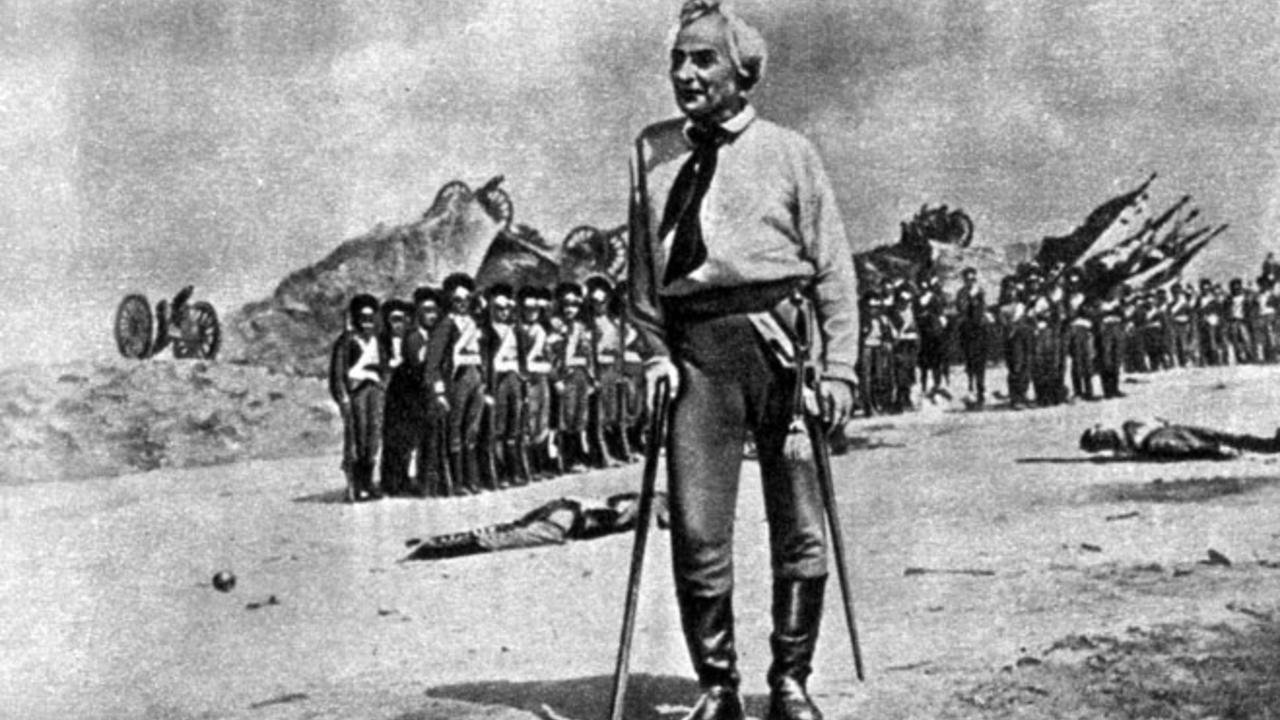
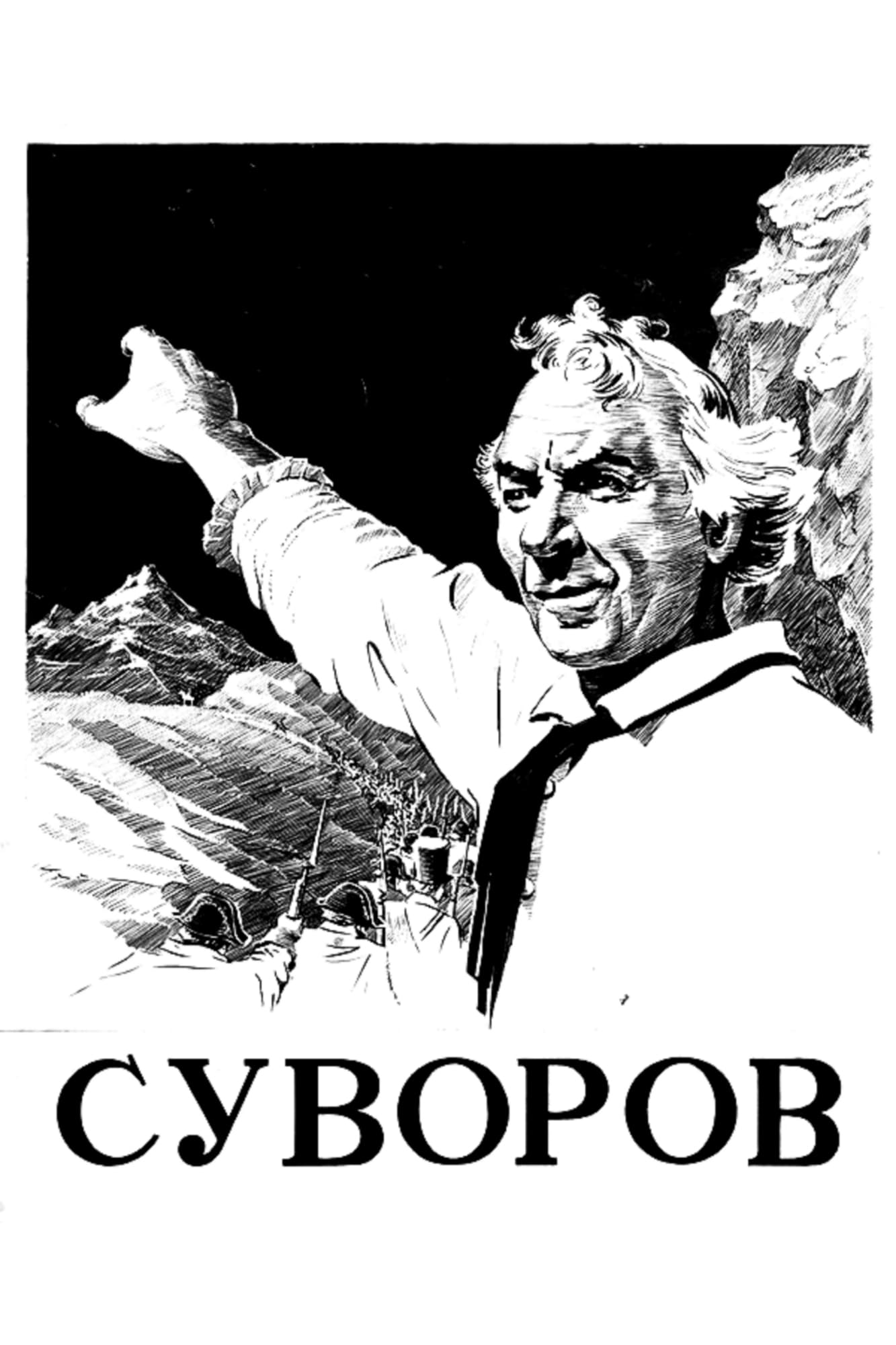
Primarily a biographical documentary about the military career of Alexander Vasilvich Suvorov, who was Field Marshal of the armies of Catherine the Great and Czar Paul I. After many military successes during the reign of Catherine, General Suvorov broke with her successor, Paul I, the Mad Emperor, over questions regarding army policy. He went into retirement and wrote "The Science of Victory," containing maxims such as "Swiftness of movement accompanies victory," and "the real general is he who defeats the enemy before reaching him." The czar recalled Suvorov to become the leader of the joint armies of Russia and Austria against Napoleon.
Insights
Plot Summary
The film chronicles the life and military campaigns of Alexander Vasilyevich Suvorov, a renowned Russian general and military theorist. It focuses on his strategic genius and leadership during key historical battles, highlighting his unwavering dedication to the Russian Empire and his soldiers. The narrative depicts his rise through the ranks and his instrumental role in major conflicts that shaped Russian history.
Critical Reception
As a Soviet propaganda film from 1941, "General Suvorov" was primarily intended to inspire patriotism and veneration of historical military heroes during a critical period. Critical reception in the West was limited at the time of release, but it is recognized as a significant example of Soviet historical filmmaking. Modern assessments often note its historical significance and cinematic style of the era, though its narrative is shaped by the ideological context of its production.
What Reviewers Say
A patriotic portrayal of a national hero.
Showcases impressive battle sequences for its time.
Reflects the Soviet Union's emphasis on historical military achievements.
Google audience: Information regarding Google user reviews for this film is not readily available. Audience reception during its original release was likely tied to its patriotic and historical context within the Soviet Union.
Fun Fact
The film was released during the early stages of the Eastern Front of World War II, serving as a morale booster by celebrating Russian military prowess.
AI-generated overview · Verify ratings on official sources