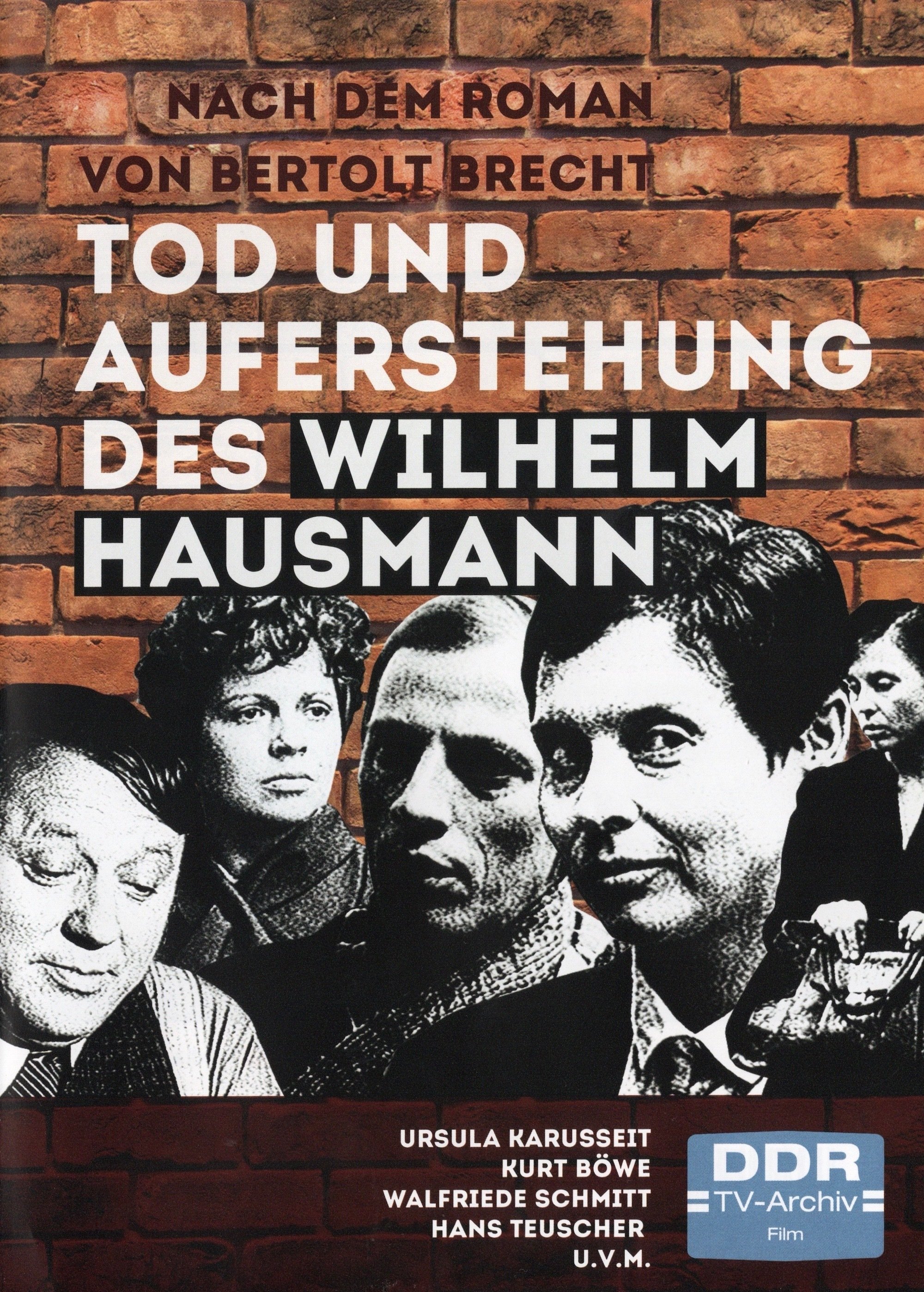
Tod und Auferstehung des Wilhelm Hausmann
In the crisis-ridden Germany of the 1920s, the desperate Frieda Hausmann pretends to be her deceased husband Wilhelm so that she can support her family by employing him as a porter.
Insights
Plot Summary
The film follows the peculiar life and death of Wilhelm Hausmann, a seemingly ordinary man whose existence takes an absurd turn. Through a series of surreal and darkly humorous events, Hausmann grapples with the mundane and the extraordinary. The narrative explores themes of alienation, the absurdity of life, and the unexpected transformations that can occur when one confronts their own mortality.
Critical Reception
The film is a lesser-known work from German cinema, often appreciated by cinephiles for its unique blend of arthouse sensibilities and black comedy. While not widely reviewed by mainstream outlets, it has garnered a cult following for its unconventional storytelling and thought-provoking themes.
What Reviewers Say
- Praised for its surreal and darkly comedic tone.
- Appreciated for its unique, unconventional narrative structure.
- Seen as an exploration of existential themes through an absurd lens.
Google audience: Information on specific Google user reviews and their sentiment is not readily available for this film.
Fun Fact
The film is part of a rare wave of experimental German cinema from the 1970s, often characterized by its challenging narratives and unique visual styles.
AI-generated overview · Verify ratings on official sources