Movie spotlight
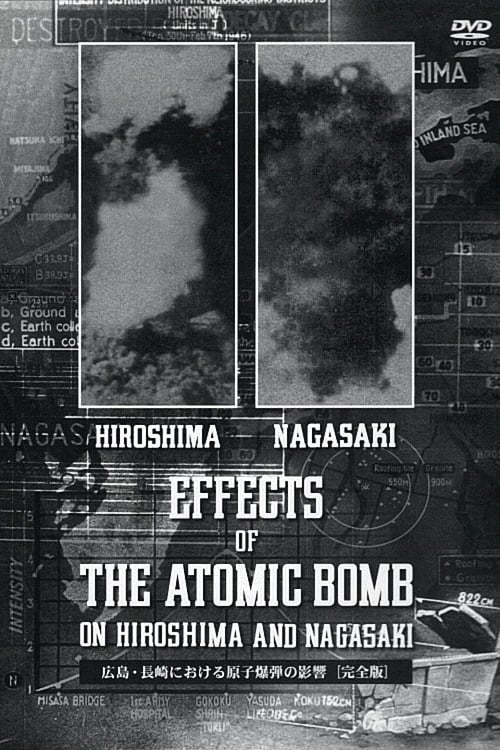
Effects of the Atomic Bomb on Hiroshima and Nagasaki
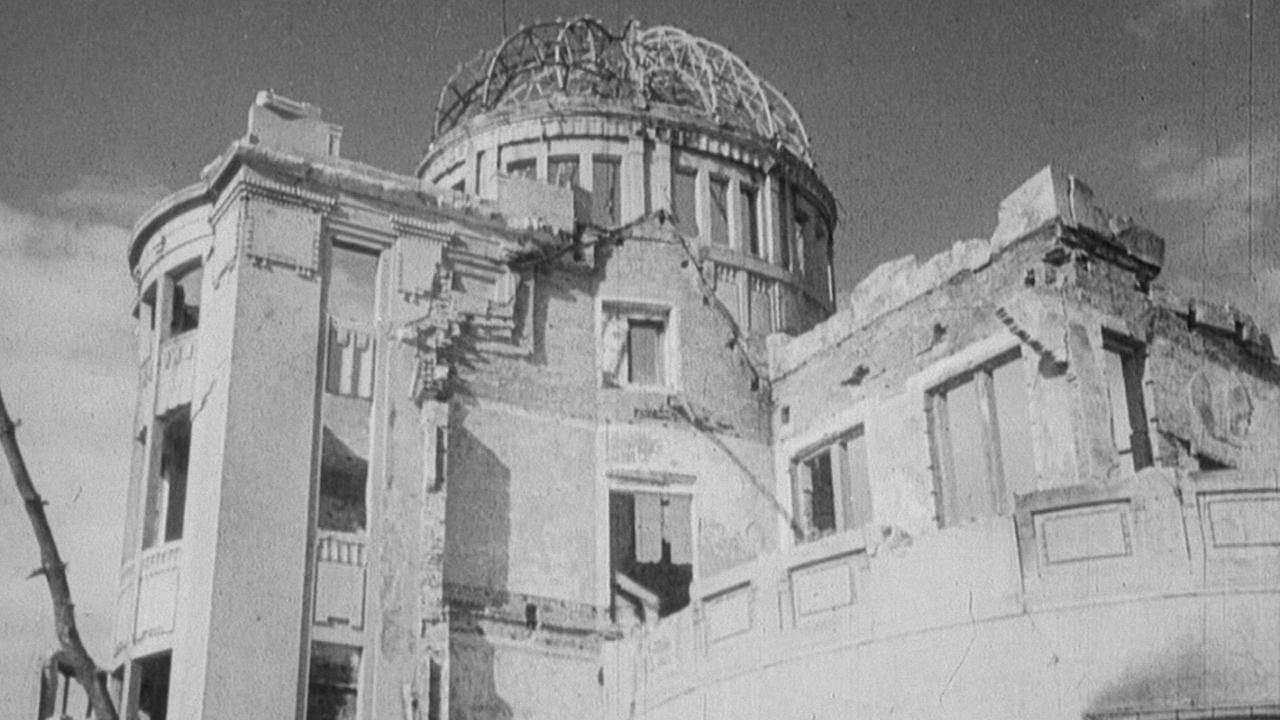
This was the only documentary made in the aftermath of the atomic bombings of 1945. Japanese filmmakers entered the two cities intent on making an appeal to the International Red Cross, but were promptly arrested by newly arriving American troops. The Americans and Japanese eventually worked together to produce this film, a science film unemotionally displaying the effects of atomic particles, blast and fire on everything from concrete to human flesh. No other filmmakers were allowed into the cities, and when the film was done the Americans crated everything up and shipped it to an unknown location. That footage is now lost. However, an American and a Japanese filmmaker each stole and hid a copy of the film, fearful that the reality of Hiroshima and Nagasaki would be hidden from history. Eventually, these prints surfaced and became our only precious archive of the aftermath of nuclear warfare -- a film that everyone knows in part, yet has rarely seen in its entirety.
Insights
Plot Summary
This short documentary produced by the U.S. War Department presents stark, unvarnished footage of the devastation wrought by the atomic bombs on Hiroshima and Nagasaki in August 1945. It aims to inform the public about the immense destructive power unleashed and the immediate aftermath experienced by the Japanese cities. The film compiles eyewitness accounts and graphic imagery to convey the scale of the destruction.
Critical Reception
As a governmental informational film produced shortly after the bombings, 'Effects of the Atomic Bomb on Hiroshima and Nagasaki' was not subject to typical critical reviews. Its purpose was to document and inform rather than entertain or elicit critical analysis in the conventional sense. It is primarily valued for its historical significance as one of the earliest visual records of the atomic bombings.
What Reviewers Say
A raw and impactful historical document.
Essential viewing for understanding the immediate impact of nuclear warfare.
Lacks narrative but powerfully conveys devastation.
Google audience: Audience reception is largely focused on its historical importance rather than cinematic merit. Many Google users highlight its value as a primary source documenting the horrific consequences of atomic warfare.
Fun Fact
This film was created using footage shot by Japanese filmmakers under occupation, compiled and narrated by the U.S. War Department.
AI-generated overview · Verify ratings on official sources