
Movie spotlight
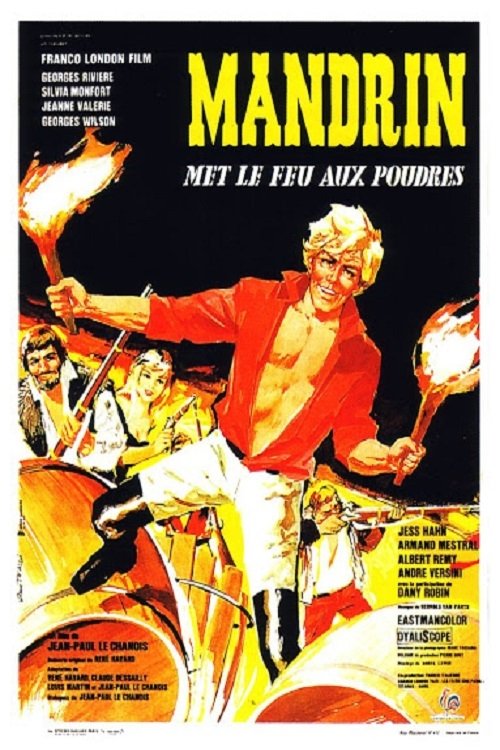
Mandrin
It was the reign of Louis XV and, in 1750, France was at war all the time, and the people, suffocated by taxes, liked their beloved Louis less and less. When the governor of Dauphiné arrived in Saint-Étienne-de-Saint-Geoirs, he had to deal with opponents of the regime who had gathered around cooper Louis Mandrin. Mandrin becomes the vigilante who respects his king, but does not tolerate the oppression of the poor through taxation.
Insights
Plot Summary
In this swashbuckling adventure, the audacious and cunning bandit Mandrin becomes a folk hero by stealing from the rich and powerful tax collectors and distributing the spoils to the poor. He navigates a treacherous world of political intrigue and corrupt officials, all while charming his way through perilous situations. His exploits make him a constant thorn in the side of the monarchy, leading to a thrilling cat-and-mouse game across 18th-century France.
Critical Reception
Mandrin was a popular success in France upon its release, praised for its lighthearted adventure and the comedic performance of Louis de Funès. While not a critical darling in the vein of more serious historical dramas, it was appreciated for its entertaining story and broad appeal. Audiences enjoyed the fast-paced action and de Funès's signature comedic timing.
What Reviewers Say
Entertaining swashbuckling adventure with a charismatic lead.
Louis de Funès delivers a memorable comedic performance.
A lighthearted and fun historical romp.
Google audience: Audience reception data is not readily available for this classic French film.
Fun Fact
The film's portrayal of Mandrin as a Robin Hood-like figure resonated with audiences, tapping into a long-standing French tradition of celebrating rebellious folk heroes.
AI-generated overview · Verify ratings on official sources