Movie spotlight
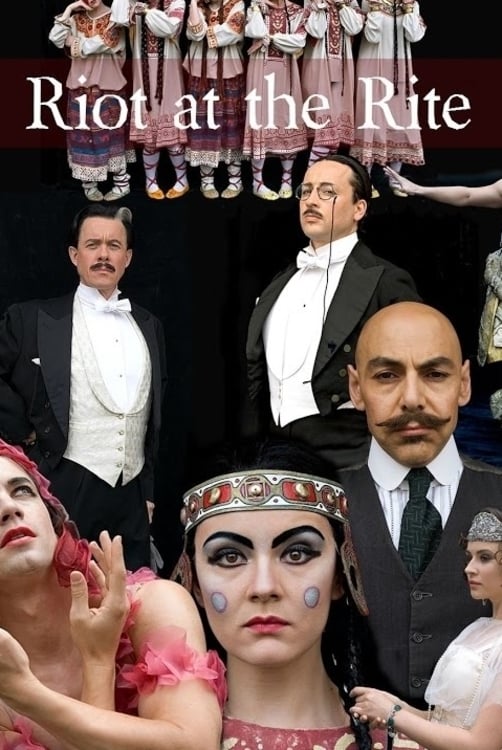
Riot at the Rite
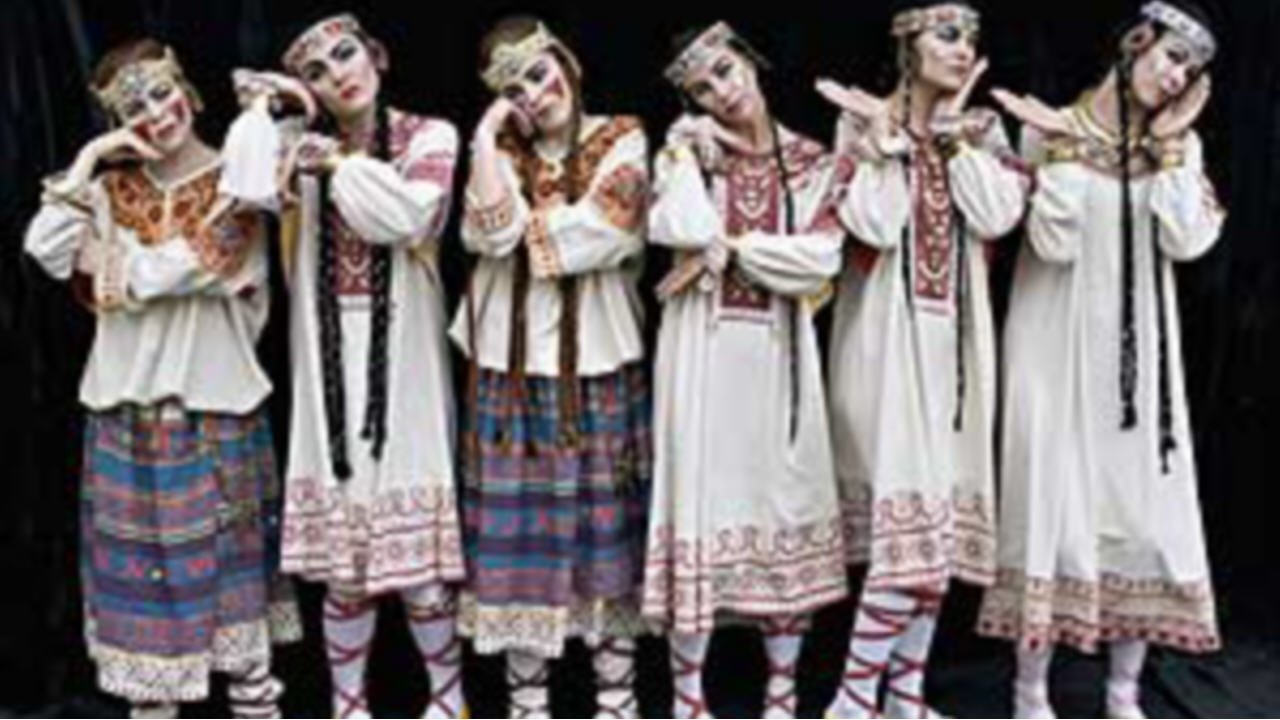
In the spring of 1913, Parisian businessman Gabriel Astruc opens a new theater on the Champs Elysées. The first performance is the premiere of Igor Stravinsky's 'The Rite of Spring', danced by the Ballet Russes. The rehearsal process is extremely fraught: the orchestra dislike Stravinsky's harsh, atonal music; the dancers dislike the 'ugly' choreography of Vaslav Nijinsky. The volatile, bisexual Nijinsky is in a strained relationship with the much older Sergei Diaghilev, the Ballet Russes' charismatic but manipulative impresario. Public expectation is extremely high after Nijinsky's success in 'L'apres-midi d'un faune'. Finally, 'The Rite of Spring' premieres to a gossip-loving, febrile, fashion-conscious Parisian audience sharply divided as to its merits.
Insights
Plot Summary
This documentary delves into the scandalous 1913 premiere of Igor Stravinsky's ballet 'The Rite of Spring' in Paris. The avant-garde choreography by Vaslav Nijinsky and the revolutionary music incited a riot among the audience, reflecting the era's artistic tensions and societal shifts. It explores the cultural context and the lasting impact of this pivotal moment in modern art.
Critical Reception
Riot at the Rite was met with critical acclaim, praised for its thorough research, engaging presentation, and insightful exploration of a significant cultural event. Critics lauded its ability to capture the explosive atmosphere of the premiere and explain its broader historical and artistic importance.
What Reviewers Say
Praised for its vivid depiction of the 1913 Parisian premiere and the ensuing riot.
Commended for its exploration of the artistic and societal context of the event.
Noted for its engaging narrative and comprehensive historical analysis.
Google audience: Information on specific Google user reviews and ratings for this documentary is not readily available.
Fun Fact
The documentary suggests that the 'riot' was not solely a spontaneous reaction to the music and choreography, but also a protest fueled by pre-existing social and political tensions within Parisian society at the time.
AI-generated overview · Verify ratings on official sources