
Movie spotlight
The Mikado
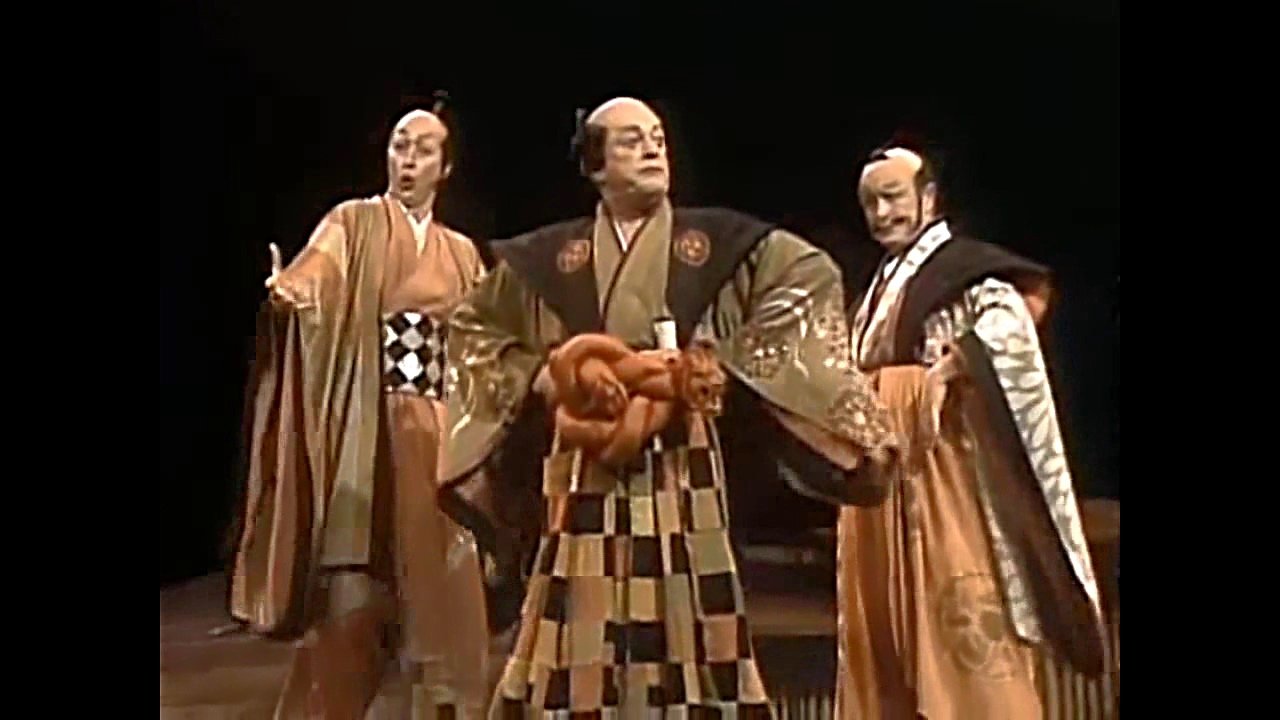
In a small Japanese town, Ko-Ko is appointed to the unenviable position of executioner. Knowing he must successfully perform before the appearance of the Mikado in a month's time, Ko-Ko finds a suitable victim in Nanki-Poo, who is distraught over his unrequited love for the maiden Yum-Yum. Nanki-Poo agrees to sacrifice his life if he is allowed to spend his remaining days with Yum-Yum, who is betrothed to Ko-Ko. Filmed live from the 1982 Stratford Festival in Ontario.
Insights
Plot Summary
In the fictional Japanese town of Titipu, the Lord High Executioner, Ko-Ko, finds himself in a comical predicament. He must execute someone for flirting with the Emperor's ward, Yum-Yum, but he is appointed to the role of executioner himself. To avoid this fate, he declares that he will execute himself. Meanwhile, the Emperor, known as the Mikado, arrives to inspect the town's affairs, leading to a series of mistaken identities, humorous entanglements, and romantic pursuits.
Critical Reception
The 1983 production of Gilbert and Sullivan's 'The Mikado', directed by Joanna May, was generally well-received for its faithful adaptation and spirited performances. Critics often lauded its comedic timing and the cast's vocal talents, though some noted that the production, while charming, did not significantly reinvent the classic operetta. Audiences appreciated the accessible humor and the enduring appeal of the Gilbert and Sullivan score.
What Reviewers Say
Praised for its faithful rendition of a beloved Gilbert and Sullivan classic.
Commended for the lively performances and strong vocal delivery of the cast.
Appreciated for its lighthearted humor and whimsical storyline.
Google audience: Audience reviews for this specific 1983 production are not widely aggregated on Google. However, general audience reception for 'The Mikado' as an operetta typically highlights its enduring wit, catchy melodies, and charmingly absurd plot.
Fun Fact
The 1983 film version of 'The Mikado' was filmed on location in the fictional Japanese town of Titipu, which was actually a meticulously constructed set built in a studio to evoke the spirit of traditional Japanese architecture.
AI-generated overview · Verify ratings on official sources