
Movie spotlight
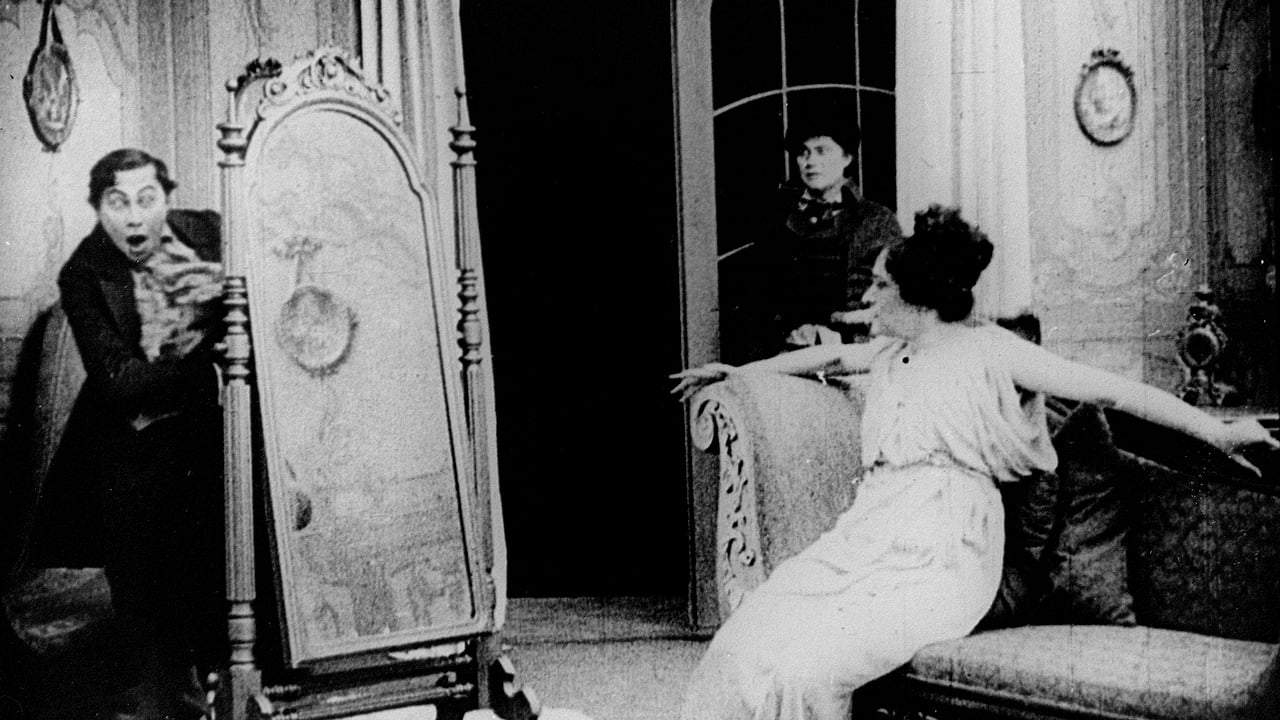
The Student of Prague
Prague, Bohemia, 1820. Balduin, a penniless student, falls in love with Countess Margit, a wealthy noblewoman whom he has saved from drowning.
Insights
Plot Summary
In 19th-century Prague, the dissolute count Jan escape his debts by selling his reflection to the devilish magician Scapinelli. Initially, Jan enjoys his newfound wealth, but soon discovers his reflection has developed a mind of its own, living a separate existence and tempting him with forbidden pleasures. As the doppelgänger's actions escalate, Jan is driven to madness, desperately trying to reclaim his identity and escape the consequences of his Faustian bargain.
Critical Reception
A landmark silent horror film, 'The Student of Prague' is widely regarded as one of the earliest psychological horror films and a significant work of German Expressionism. It was praised for its innovative special effects, particularly the depiction of the doppelgänger, and its thematic exploration of identity and morality. The film's atmospheric storytelling and haunting imagery left a lasting impact on the genre.
What Reviewers Say
Praised for its groundbreaking visual effects and sophisticated narrative.
Lauded as an early masterpiece of psychological horror and German Expressionism.
Commended for its exploration of themes such as identity, greed, and the supernatural.
Google audience: While specific Google user ratings from 1913 are unavailable, contemporary and modern analyses highlight the film's enduring artistic merit and its significant contribution to cinematic history, particularly in its genre.
Fun Fact
The film is celebrated for its pioneering use of special effects to create the illusion of a doppelgänger, achieved through clever camera work and editing, without the use of modern compositing techniques.
AI-generated overview · Verify ratings on official sources