Movie spotlight
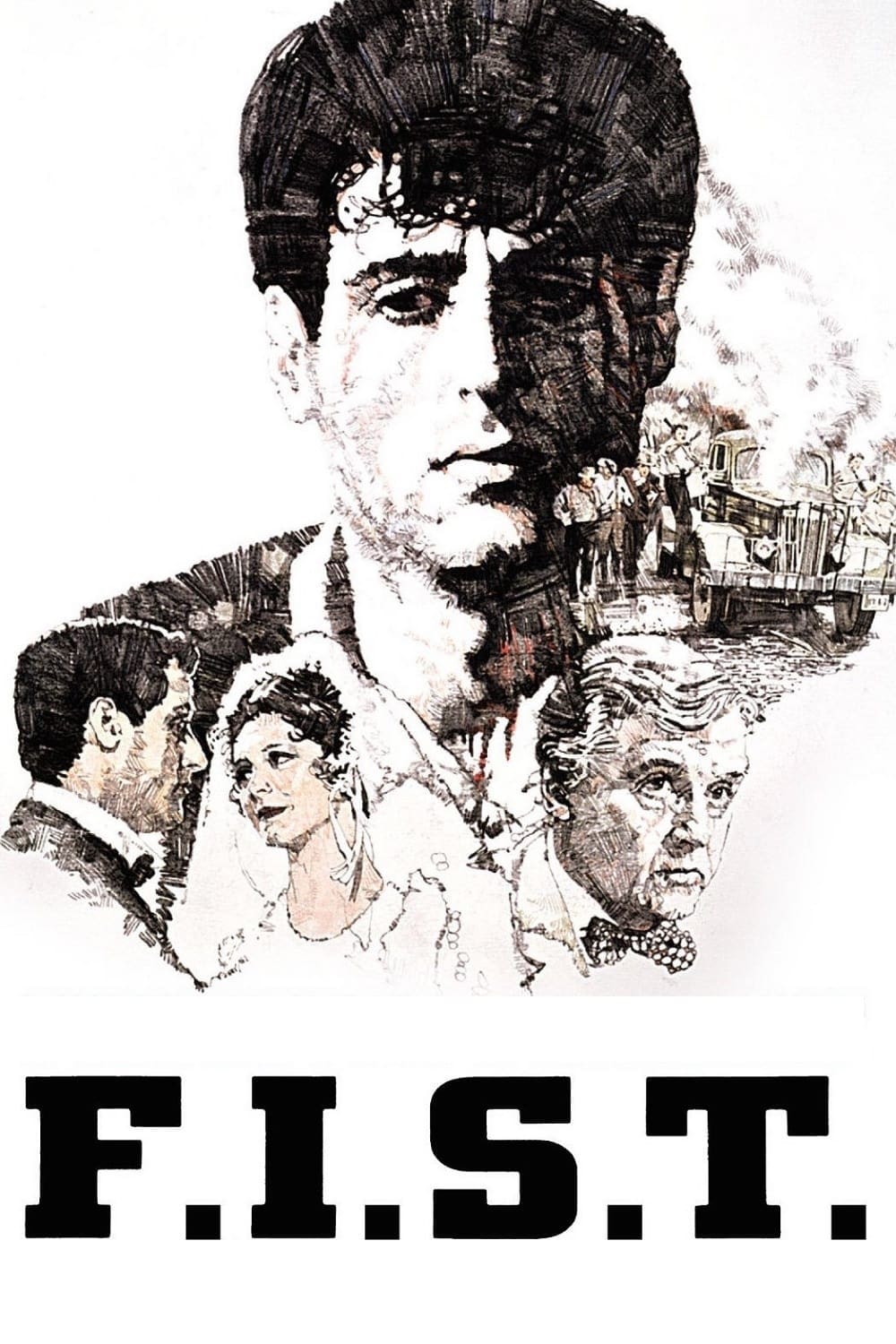
F.I.S.T.
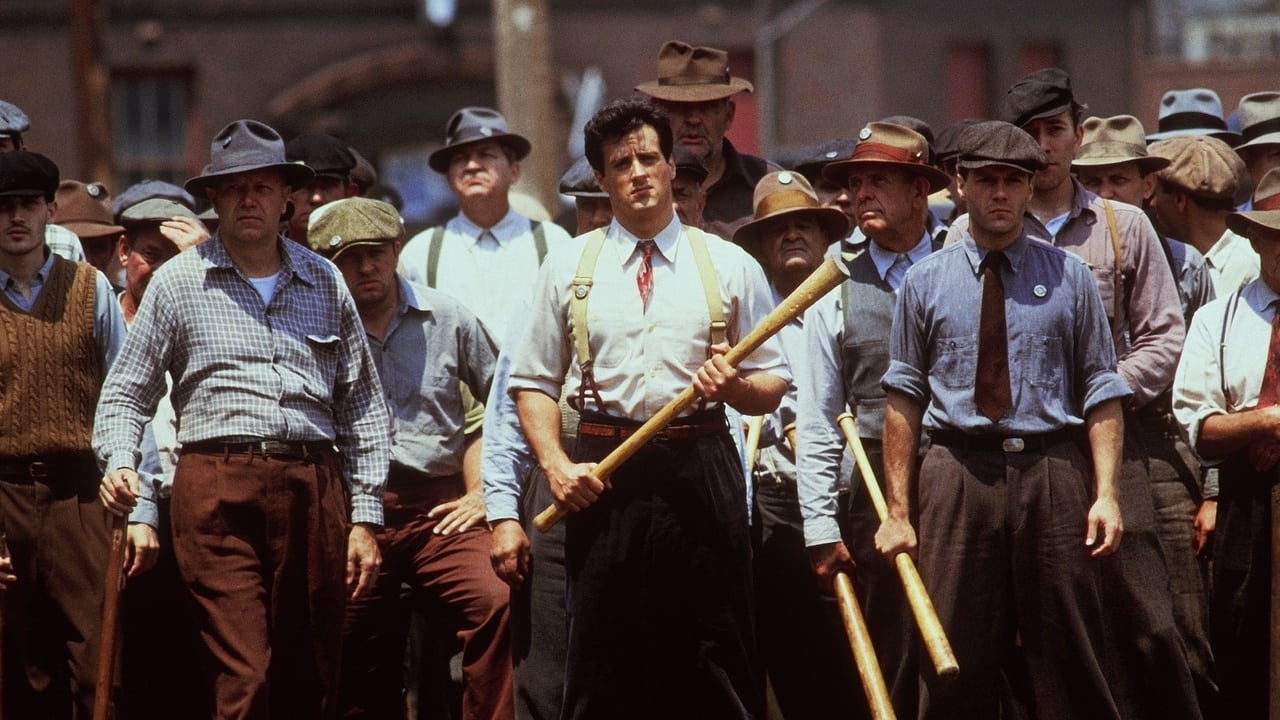
Johnny Kovak joins the Teamsters trade-union in a local chapter in the 1930s and works his way up in the organization. As he climbs higher and higher his methods become more ruthless and finally senator Madison starts a campaign to find the truth about the alleged connections with the Mob.
Insights
Plot Summary
Johnny Kovak, a warehouseman in Cleveland, becomes a powerful but compromised leader of a truck drivers' union in the 1930s. As his influence grows, he finds himself increasingly entangled with organized crime and corrupt officials, forcing him to confront the moral compromises he's made in his pursuit of power and the protection of his fellow workers.
Critical Reception
F.I.S.T. received a mixed reception from critics. While Sylvester Stallone's performance and the film's ambitious scope were often noted, many found the narrative to be overly long, somewhat predictable, and melodramatic. Some critics appreciated its exploration of union corruption, while others felt it didn't fully deliver on its potential.
What Reviewers Say
Praised for Sylvester Stallone's committed performance.
Criticized for its excessive length and somewhat formulaic plot.
The film's exploration of union politics and corruption was seen as ambitious but unevenly executed.
Google audience: Audience reviews generally highlight Stallone's strong presence and the film's engaging, albeit sometimes overly dramatic, portrayal of union struggles and power dynamics. Some viewers found it a compelling story of ambition and its consequences, while others felt it lacked depth or refinement.
Fun Fact
Sylvester Stallone's character, Johnny Kovak, was inspired by the real-life controversial Teamsters Union leader Jimmy Hoffa.
AI-generated overview · Verify ratings on official sources