
Movie spotlight
Nero
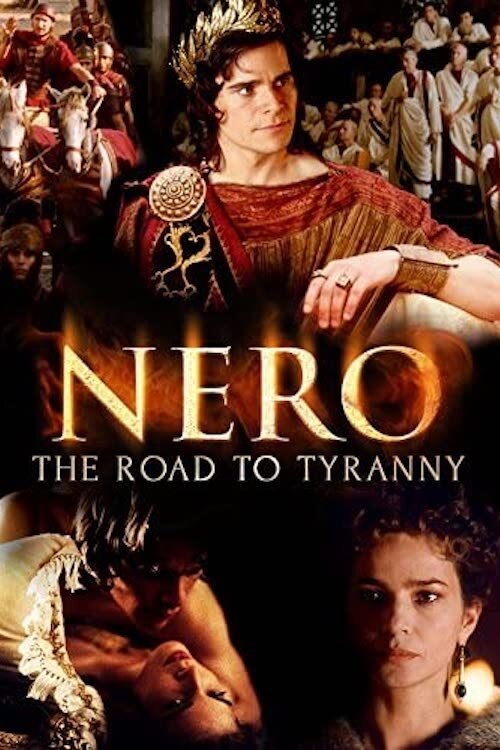
As a young boy, future emperor Nero witnesses the mad Emperor Caligula kill his father and exile his mother. While in exile in the pontine islands, Agrippina, his mother, sees a vision telling her that her son can become emperor, but she will have to die first. She accepts the proposal. Back in Rome, Nero, now being raised by emperor Claudius after Caligula's death, Agrippina returns. She poisons Claudius' food and Nero becomes emperor. At first, Nero cuts taxes and introduces successful programs and invades Brittania. Soon he meets a beautiful slave named Claudia Acte, and marries her, throwing off his engagement with Claudius' daughter, Claudia Octavia, telling her she can marry someone she will be happy with. Heartbroken, she arrives at an island and kills herself. Nero enjoys being married to Claudia Acte, but soon he gradually goes mad with power and sets fire to Rome.
Insights
Plot Summary
This historical drama chronicles the tumultuous reign of the Roman Emperor Nero, from his early days under the influence of his mother Agrippina to his descent into tyranny and madness. It explores his artistic ambitions, his controversial policies, and the events that led to his downfall and eventual suicide.
Critical Reception
Nero received mixed reviews, with some critics praising its ambitious scope and the performances of its lead actors, particularly Klaus Maria Brandauer. However, others found the film to be overly long and somewhat unfocused, struggling to balance historical accuracy with dramatic narrative.
What Reviewers Say
Praised for its visual presentation and period detail.
Criticized for a meandering plot and inconsistent pacing.
The lead performance is often highlighted as a strong point.
Google audience: Audience reception data for 'Nero (2004)' on Google is not readily available.
Fun Fact
The film was a German-Italian-French co-production, filmed in both German and Italian.
AI-generated overview · Verify ratings on official sources