
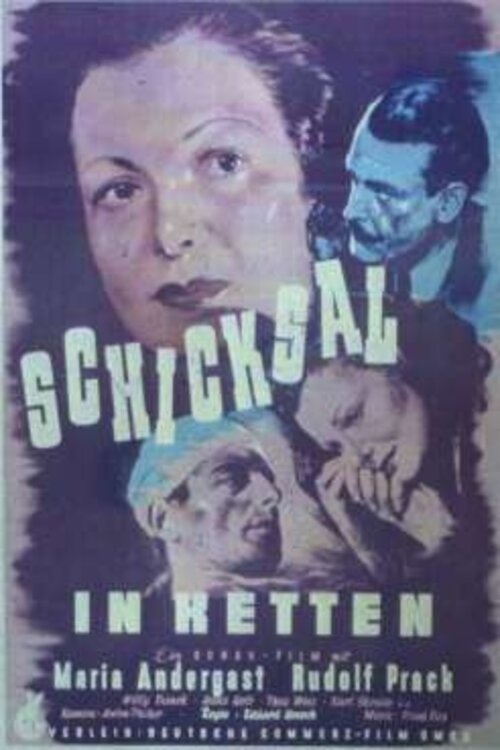
Movie spotlight
Der weite Weg
Shortly before the end of the war: Disillusioned Austrian soldiers crammed into a barracks in a prison camp welcome a new arrival who has nothing better to do than rave to the men, who have been separated from their homeland for years, about his Viennese lover. When the womanizer mentions the name of his latest love affair, Manhardt, her husband, jumps at him in outrage; the adulterer falls and dies. Acquitted of murder and returned to Vienna, Manhardt cannot get over his Anni's infidelity. Friends and a second fateful coincidence help.
Insights
Plot Summary
In a war-torn Austrian village, a returning soldier grapples with the aftermath of conflict and his personal losses. He finds himself caught between his desire for a peaceful life and the harsh realities of a society struggling to rebuild. The film explores themes of trauma, hope, and the search for meaning in a devastated landscape.
Critical Reception
Released in the immediate post-war era, 'Der weite Weg' was recognized for its somber portrayal of the human cost of war and its sensitive depiction of civilian suffering. While not a major international success, it garnered attention within Austrian and German cinema circles for its realistic approach and strong performances.
What Reviewers Say
Praised for its realistic and poignant depiction of post-war life.
The film is noted for its emotional depth and powerful performances.
Some critics found the pacing slow but acknowledged its thematic significance.
Google audience: Audience reception data for 'Der weite Weg' is not widely available. However, historical accounts suggest it resonated with audiences in post-war Austria and Germany for its truthful portrayal of hardship and resilience.
Fun Fact
The film was made in Austria shortly after the end of World War II, reflecting the immediate impact of the conflict on society and the desire to process the war's aftermath through cinema.
AI-generated overview · Verify ratings on official sources