
Movie spotlight
Rustin
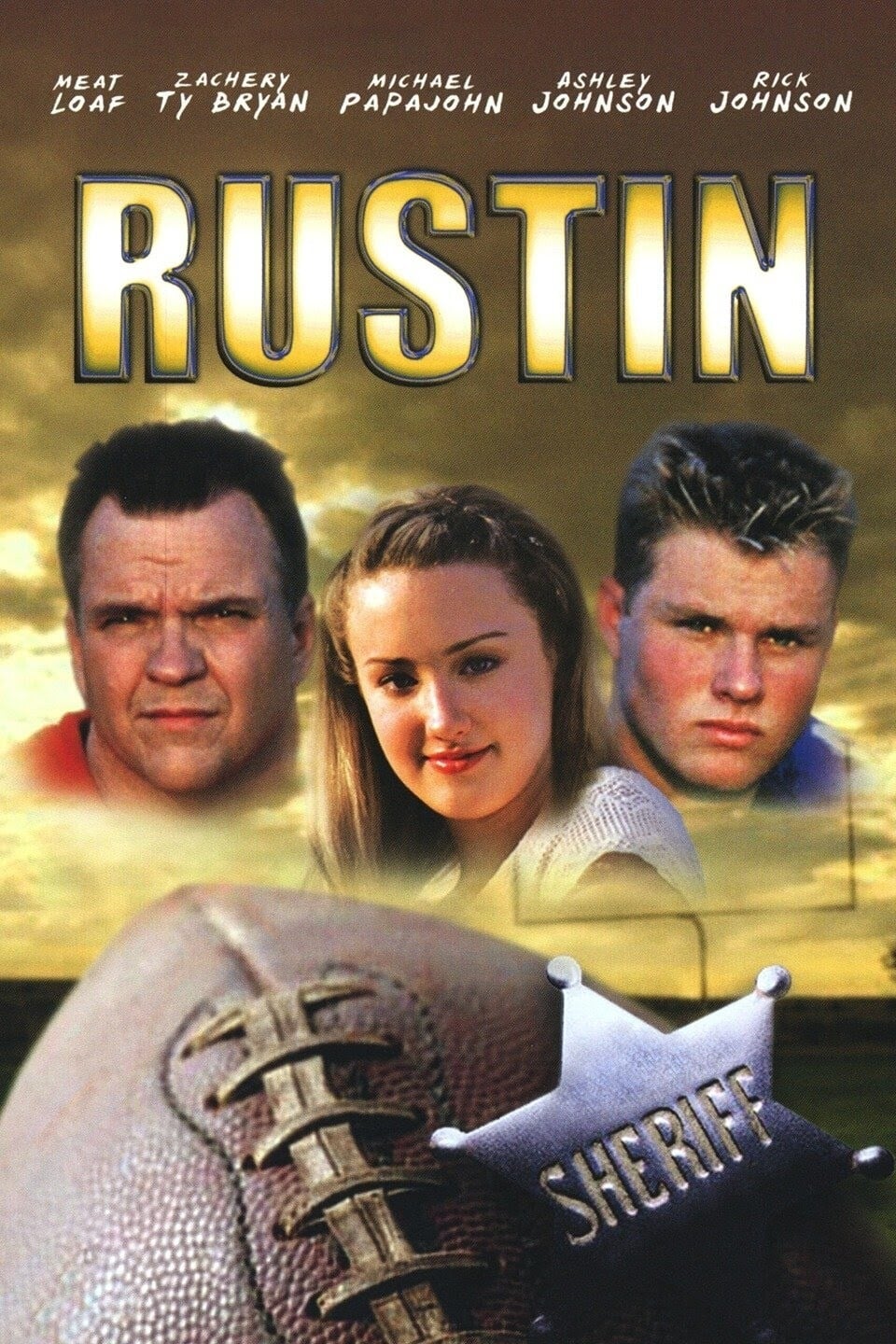
A small town drama about a man who is forced to confront some uncomfortable issues when his past comes back to haunt him. Billy Stagen is a former professional football player and present-day sheriff in his hometown, the picturesque Rustin, Alabama.
Insights
Plot Summary
The film chronicles the life of Bayard Rustin, a brilliant and openly gay Black man who, despite facing prejudice and threats, organized the 1963 March on Washington. Rustin was a pivotal figure in the Civil Rights Movement, advocating for nonviolent civil disobedience and strategic planning to achieve equality. His activism, though often behind the scenes due to his identity, was instrumental in shaping key moments of the struggle for racial justice in America.
Critical Reception
Rustin received widespread critical acclaim, with particular praise directed at Colman Domingo's performance as Bayard Rustin. Critics lauded the film for bringing attention to a significant but often overlooked figure in American history and for its exploration of Rustin's personal struggles alongside his public activism. The direction and screenplay were also frequently highlighted as strengths.
What Reviewers Say
Colman Domingo delivers a powerful and nuanced performance as Bayard Rustin.
The film successfully highlights Rustin's critical, yet often unacknowledged, role in the Civil Rights Movement.
George C. Wolfe's direction and the screenplay are commended for their compelling storytelling and historical depth.
Google audience: Google users overwhelmingly praise the film, particularly Colman Domingo's portrayal of Bayard Rustin. Audiences found the movie inspiring and educational, appreciating its focus on a significant historical figure and the impactful story of activism and perseverance.
Awards & Accolades
Colman Domingo received a nomination for the Academy Award for Best Actor. The film also garnered multiple Golden Globe nominations, including Best Motion Picture – Drama and Best Actor – Motion Picture Drama for Domingo.
Fun Fact
Bayard Rustin's personal life, including his activism for LGBTQ+ rights, was a significant part of his identity that was often suppressed by civil rights leaders who feared it would jeopardize the movement's public image.
AI-generated overview · Verify ratings on official sources