Movie spotlight
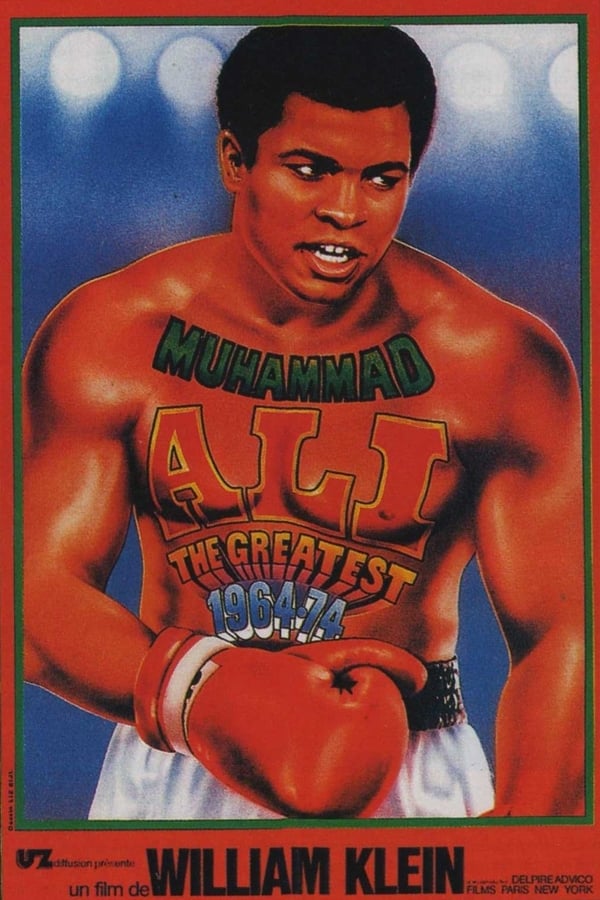
Muhammad Ali, the Greatest
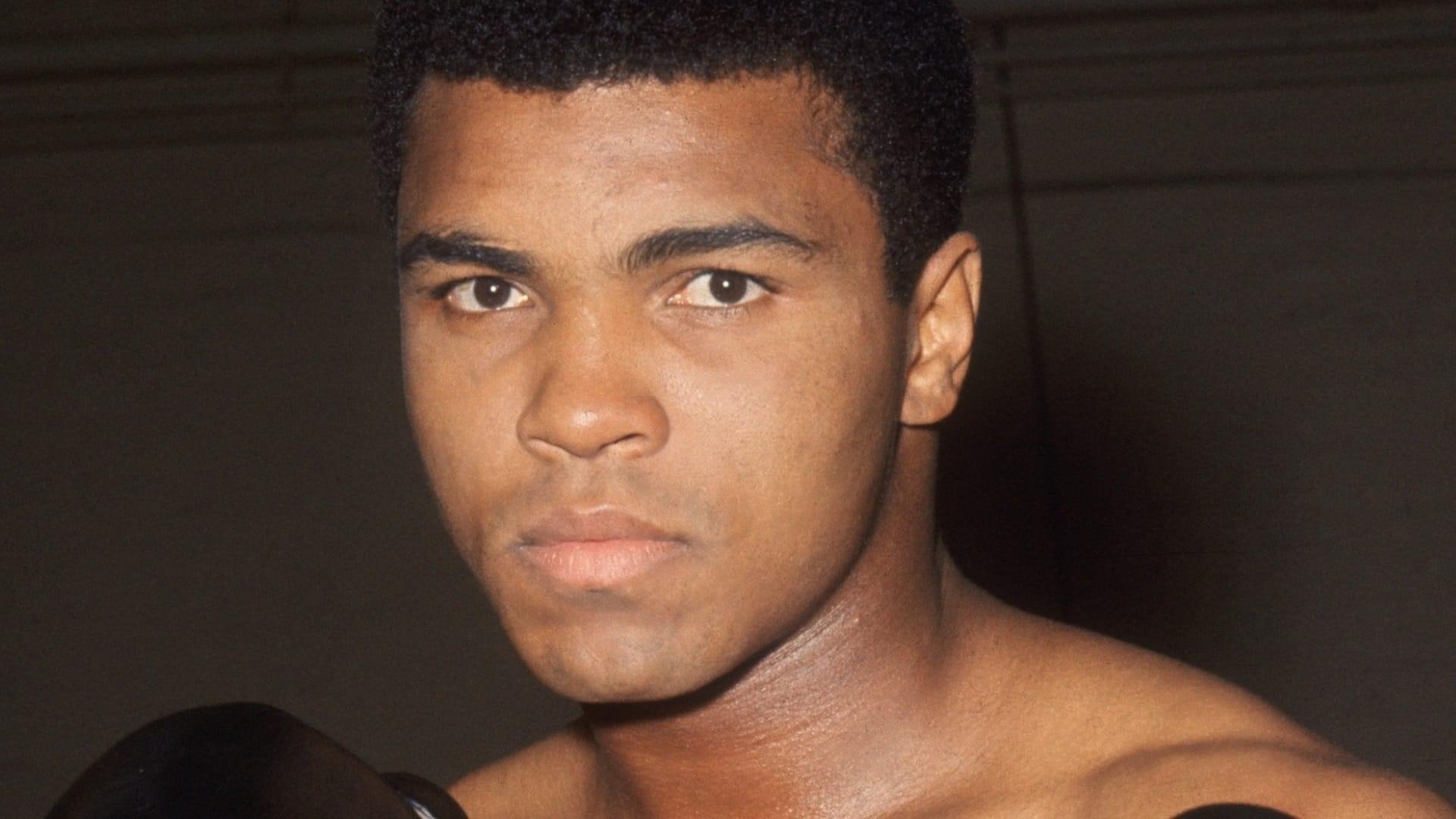
Universally accepted as a true icon of the 20th century, Muhammad Ali’s phenomenal achievements spanned sport, politics and religion. One man – photographer William Klein had comprehensive access to the events that shaped Ali’s legend. In 1964, the young gregarious Cassius Clay successfully defeated the seemingly invincible Heavyweight Champion of the World Sonny Liston – the manner of Clay’s victory and his amazing persona made him an instant superstar. Through this incredible period, and Clay’s subsequent rematches with Liston, William Klein enjoyed unrivalled access top Clay’s camp – witnessing at first hand Cassius Clay becoming Muhammad Ali and angering the American people with his allegiance to Islam. Forward to Zaire 1974, and the return of Muhammad Ali to the world stage to face another invincible champion George Foreman. As Ali reclaimed the crown for a second time, Klein was ever present, capturing the full story at close quarter.
Insights
Plot Summary
This documentary offers an intimate look at the life and career of legendary boxer Muhammad Ali during a pivotal period. It chronicles his rise, his philosophical outlook, and his confrontational style both inside and outside the ring. The film captures Ali's charisma, his political stances, and his impact on the world during the late 1960s. It features candid interviews and action-packed fight footage.
Critical Reception
Upon its release, 'Muhammad Ali, the Greatest' was lauded for its raw portrayal of the boxer and its insightful look into his persona and the socio-political climate he navigated. Critics praised William Klein's bold filmmaking style and the unprecedented access he gained to Ali. Audiences were captivated by Ali's magnetic presence and the film's unflinching examination of his controversial stances.
What Reviewers Say
Praised for its candid and intimate portrayal of Muhammad Ali.
Commended for its dynamic and unconventional filmmaking approach.
Recognized for capturing Ali's charisma and controversial spirit.
Google audience: Information on Google user reviews specifically for this 1969 documentary is not readily available.
Fun Fact
Director William Klein was an American living in Paris at the time of filming, and his unconventional, vérité style, which often involved shooting with a wide-angle lens and interacting with his subjects, was groundbreaking for documentary filmmaking at the time.
AI-generated overview · Verify ratings on official sources