Movie spotlight
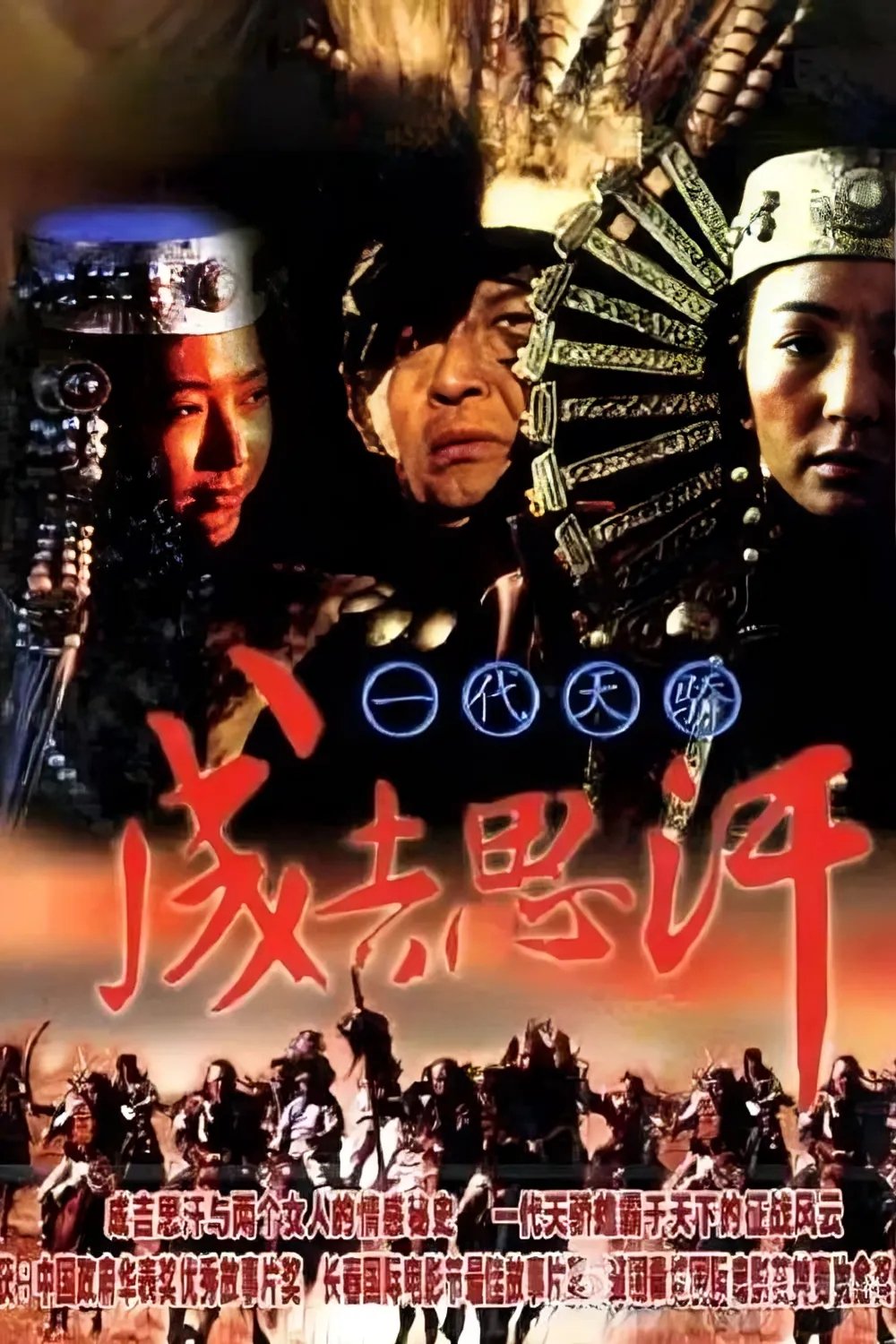
Genghis Khan
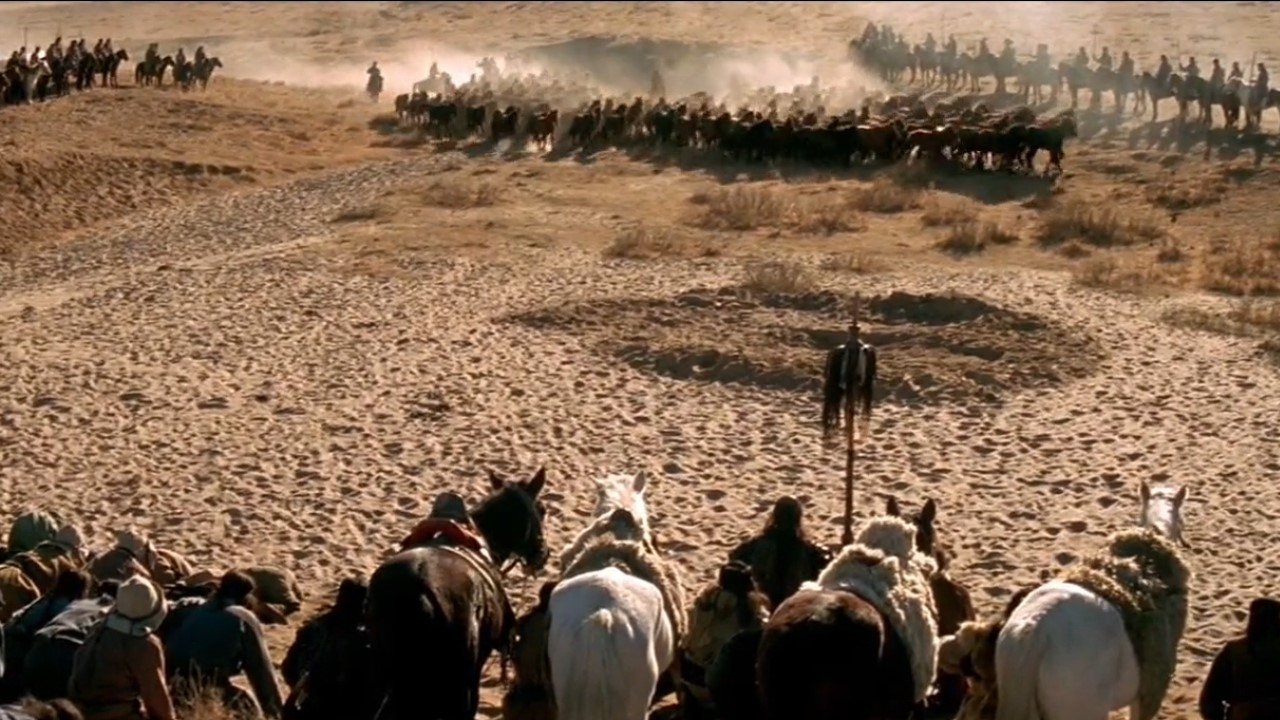
During the 12th Century a boy is born to a tribal chief. He is named Temujin, which means "blacksmith." Nine years later, his father is murdered by the Tartars After a long struggle, just when Temujin reclaims tribal chief status, the Merkit tribe kidnaps his wife. In order to fight against the Merkits, Temujin has to use his mother as a pawn in exchange for troops from ally tribes. Temujin manages to rescue his wife only to realise that she is pregnant with the enemy's child. Enduring tremendous anguish, Temujin throws himself into battle against the Tartars and slaughters the leader of the intruders. He eventually takes his wife back and accepts her child. Later on, he begins a campaign to unify all Mongolian tribes. By the age of 40, he is bestowed the title "Genghis Khan", which means "oceanic ruler".
Insights
Plot Summary
This epic film chronicles the rise of Temujin from a humble boy to the formidable Genghis Khan, the founder of the Mongol Empire. It depicts his early struggles against rival tribes, his enduring love for his wife Börte, and his eventual unification of the Mongol people into an unstoppable force that reshaped the world.
Critical Reception
Genghis Khan (1998) is a sweeping historical epic that attempts to capture the vast scope of the Mongol Empire's founder. While praised for its ambition and scale, it received mixed reviews, with some critics finding its narrative pacing uneven and its portrayal of historical events somewhat dramatized for cinematic effect. Audiences generally appreciated the grand spectacle and the performances, though its historical accuracy has been debated.
What Reviewers Say
Praised for its epic scale and visual grandeur.
Criticized for its lengthy runtime and somewhat melodramatic storytelling.
The film offers a grand, albeit dramatized, look at a pivotal historical figure.
Google audience: Audience reception is not readily available through Google's rating system for this film. However, general sentiment from available sources suggests a mixed to positive reception for its historical scope and dramatic portrayal.
Fun Fact
The film was shot in Spain, with elaborate sets built to recreate the Mongolian steppes and capitals.
AI-generated overview · Verify ratings on official sources