Movie spotlight
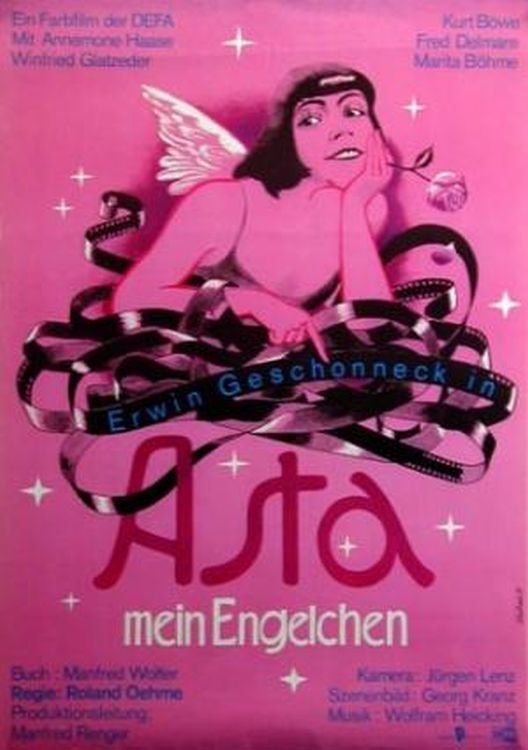
Asta, mein Engelchen
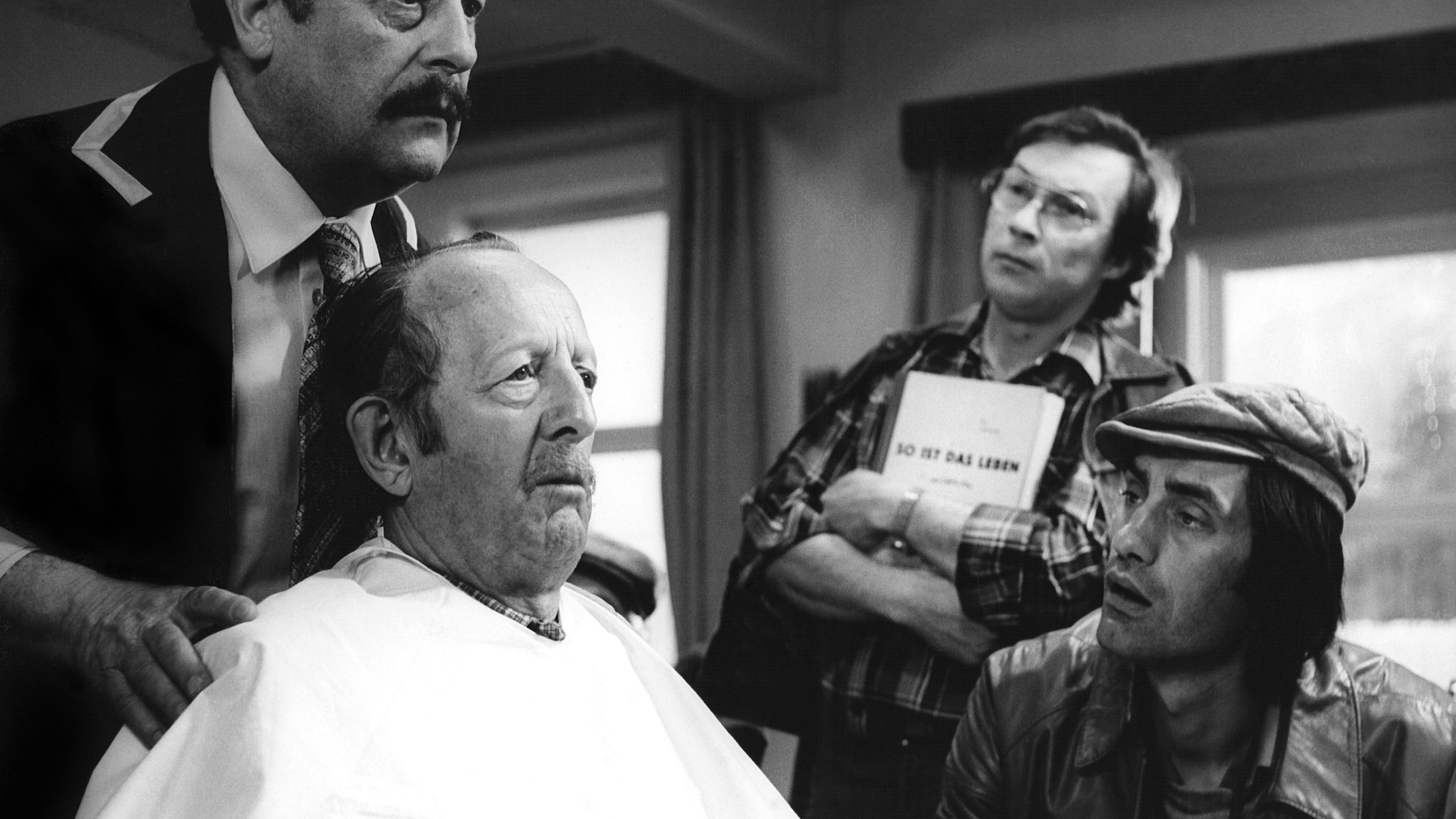
Old Otto Gratzick is a porter at DEFA and a great admirer of Asta Nielsen. When the famous actor Hermann Gschwindner dies shortly before the end of his film, the director is looking for a double for the final scenes and discovers Otto in the movie theater, who has just been moved by Asta again. Otto takes on the task. He also places a marriage advertisement looking for a woman who resembles Asta. The first date with Astrid, who does indeed look like Asta, is a flop. Otto falls asleep. He tries again with her - as Hermann Gschwindner - and is successful. He is recognized in a hotel bar and asked to perform a song. Everyone, including Astrid, is entranced. After a few complications, his real identity is revealed - Astrid had also done a lot of work to look like Asta.
Insights
Plot Summary
In post-war Germany, a former cabaret singer struggles to rebuild her life and reconcile with her past. She finds an unlikely connection with a former acquaintance, leading to a complex emotional journey. The film explores themes of memory, guilt, and the search for redemption amidst societal upheaval.
Critical Reception
The film received a mixed to positive reception, with praise for its performances and atmospheric portrayal of the era. Some critics found the pacing to be slow, but overall it was appreciated for its sensitive handling of complex emotional themes.
What Reviewers Say
Praised for Manfred Krug's powerful performance.
Appreciated for its evocative depiction of post-war German society.
Some found the narrative development to be uneven.
Google audience: Information not available.
Fun Fact
Manfred Krug, who plays the lead role, was a prominent figure in East German cinema and later became known for his television work in unified Germany.
AI-generated overview · Verify ratings on official sources