IMDb7.0/10
Rotten Tomatoes92%
Google Users87%
Director: Charles Walters•Genres: Musical, Romance, Comedy
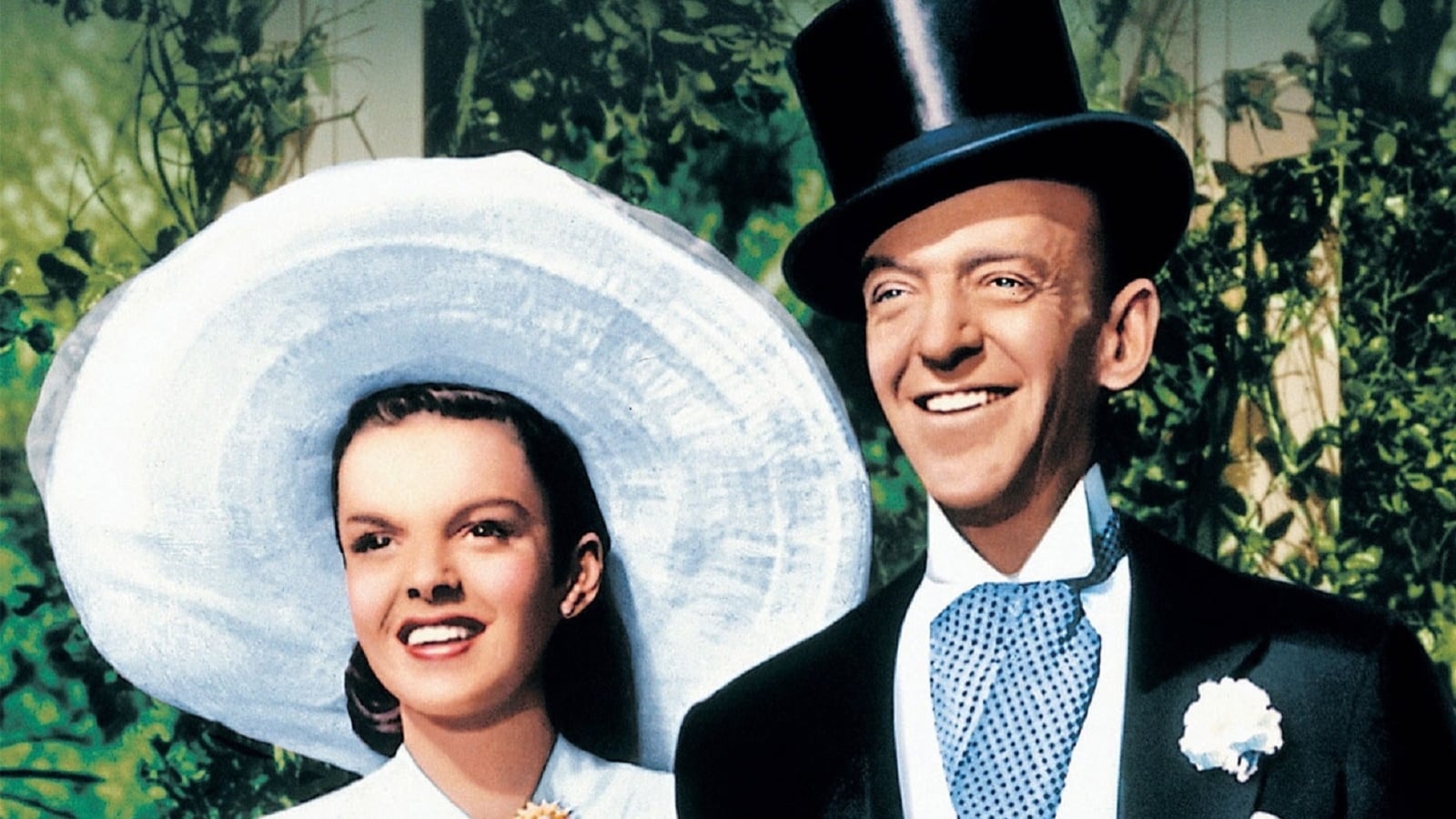
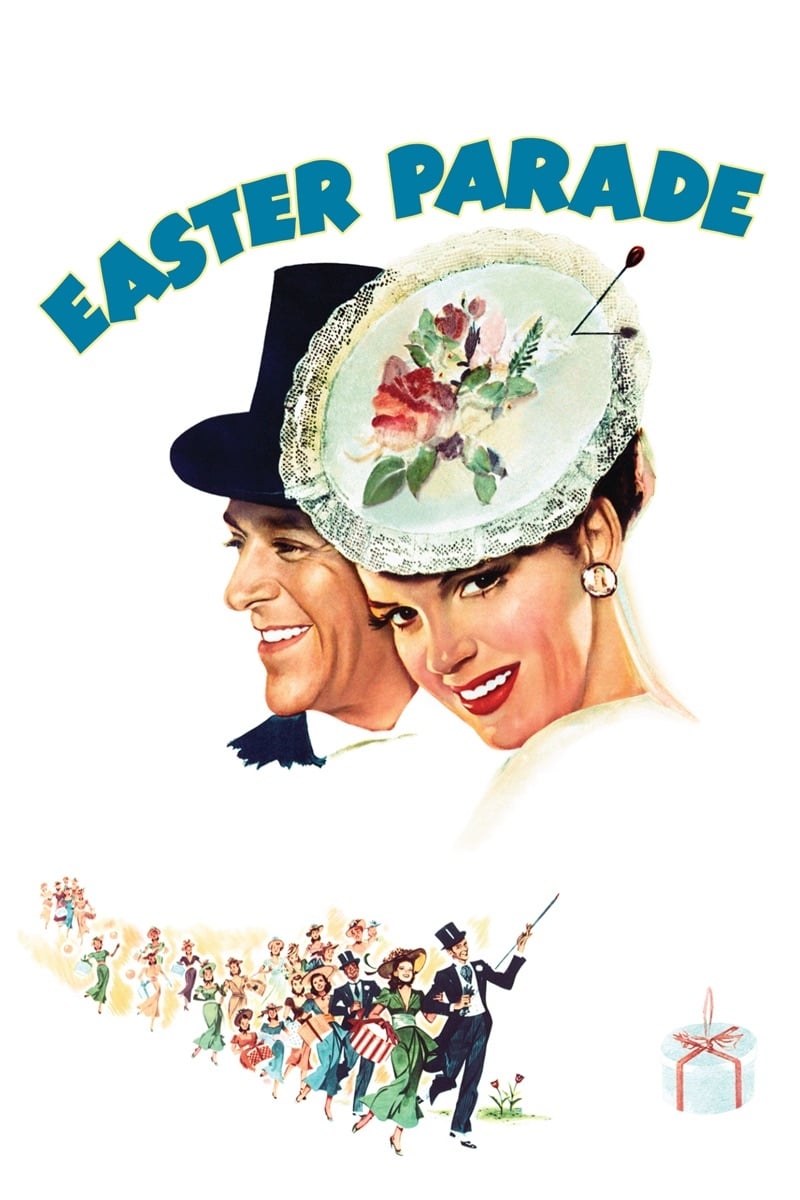
A famous Broadway hoofer, Don Hewes, is suddenly left without his dancing partner just before the Easter season. To prove he can make a star out of anyone, he decides to train a naive, inexperienced chorus girl, Hannah Brown, into a performer. As they work together, a romance blossoms between them, complicated by the return of Don's former flame, Nadine, who was his original partner and inspiration.
Easter Parade was a critical and commercial success, widely praised for its vibrant Technicolor, catchy songs, and the sparkling chemistry between its leads. It is considered one of the best musicals of its era and a highlight of both Judy Garland's and Fred Astaire's careers.
A delightful musical filled with Irving Berlin's classic songs.
Judy Garland and Fred Astaire are a perfect match, delivering charming performances.
Visually stunning with energetic dance numbers and a sweet, albeit predictable, romance.
Google audience: Audiences loved the timeless songs by Irving Berlin and the delightful chemistry between Judy Garland and Fred Astaire. Many praised the colorful visuals and the feel-good nature of the film, making it a classic musical that holds up well over time.
Nominated for the Academy Award for Best Original Song for 'A Stepmother's Lullaby'. Considered a major success at the box office.
Gene Kelly was originally cast as the male lead opposite Judy Garland, but he broke his ankle. Fred Astaire was brought in as a last-minute replacement, and this film marked their only on-screen pairing.
AI-generated overview · Verify ratings on official sources