Movie spotlight
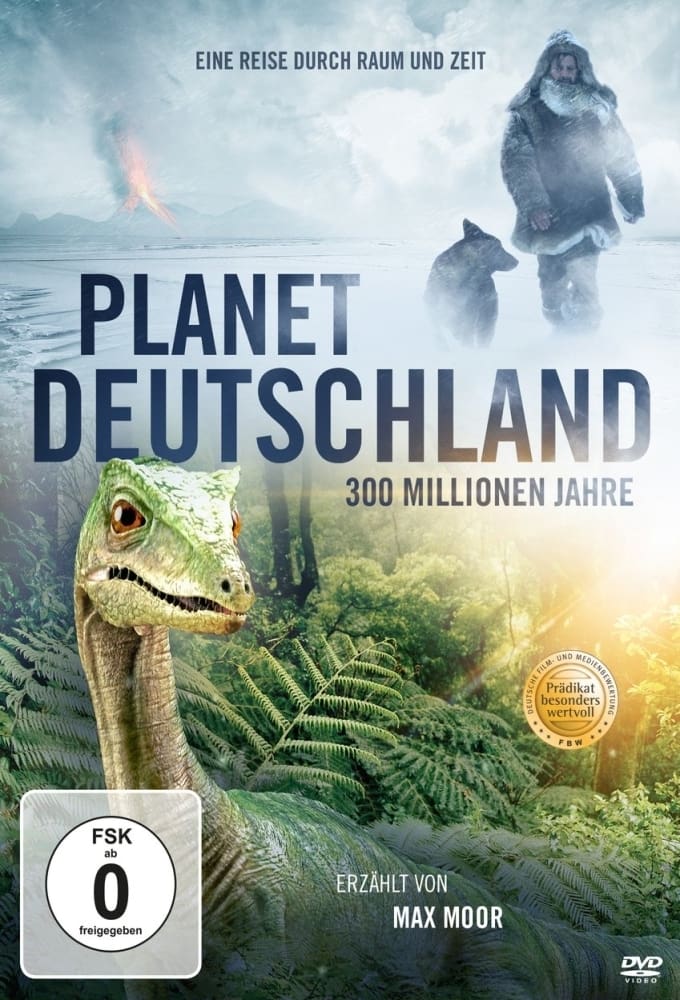
Planet Deutschland - 300 Millionen Jahre
Documentary tells the story of Germany's origins from the Carboniferous period to the present day. It leads from the highest Alpine peaks to the rugged North Sea coasts - from the craters of the Eifel to the river labyrinth of the Spreewald. Back then - around 300 million years ago - giant dragonflies, for example, buzzed through dozens of meter-high fern forests. In the course of the Earth's history, however, we also encounter dying dinosaurs, meet rhinos and elephants on the Rhine and come across what is probably the first human in Heidelberg. Later, the Neanderthals appear and suddenly disappear again - for reasons that are still unknown. And finally, modern humans gradually spread and began to shape their environment.
Insights
Plot Summary
This documentary takes viewers on a journey through 300 million years of German geological history. It explores the dramatic transformations of the landscape, from ancient volcanic activity and vast oceans to the formation of mountains and the impact of ice ages. Utilizing state-of-the-art CGI and expert narration, the film vividly reconstructs Germany's deep past.
Critical Reception
The documentary was generally well-received by critics and audiences for its educational value and impressive visual effects. It was praised for making complex geological processes accessible and engaging for a broad audience.
What Reviewers Say
Praised for its stunning visuals and educational content.
Appreciated for simplifying complex geological concepts.
Seen as a comprehensive overview of Germany's natural history.
Google audience: Information on Google user reviews is not readily available.
Fun Fact
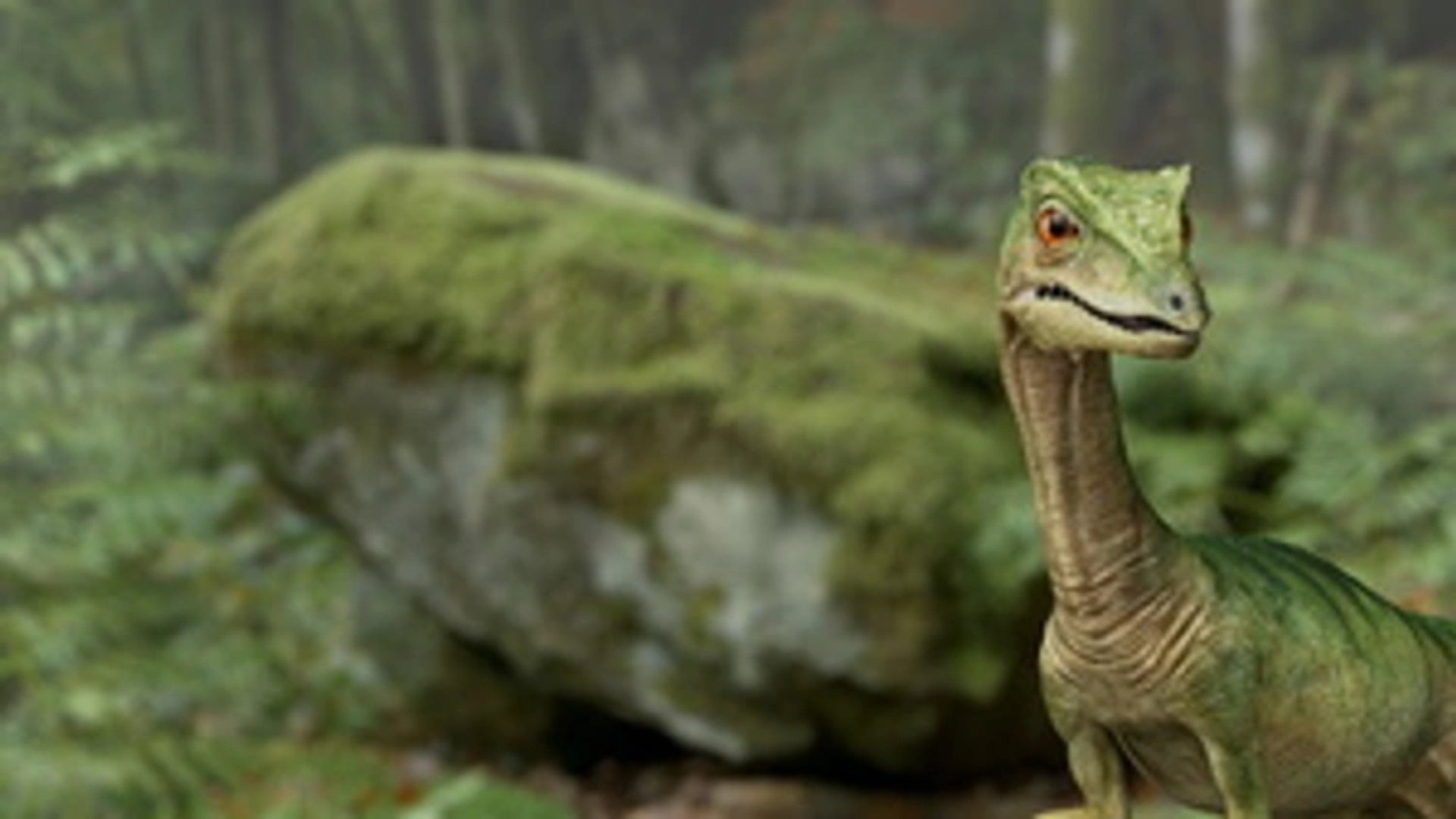
The film utilizes extensive CGI to recreate extinct creatures and geological formations, bringing Germany's prehistoric past to life with remarkable detail.
AI-generated overview · Verify ratings on official sources