
Movie spotlight
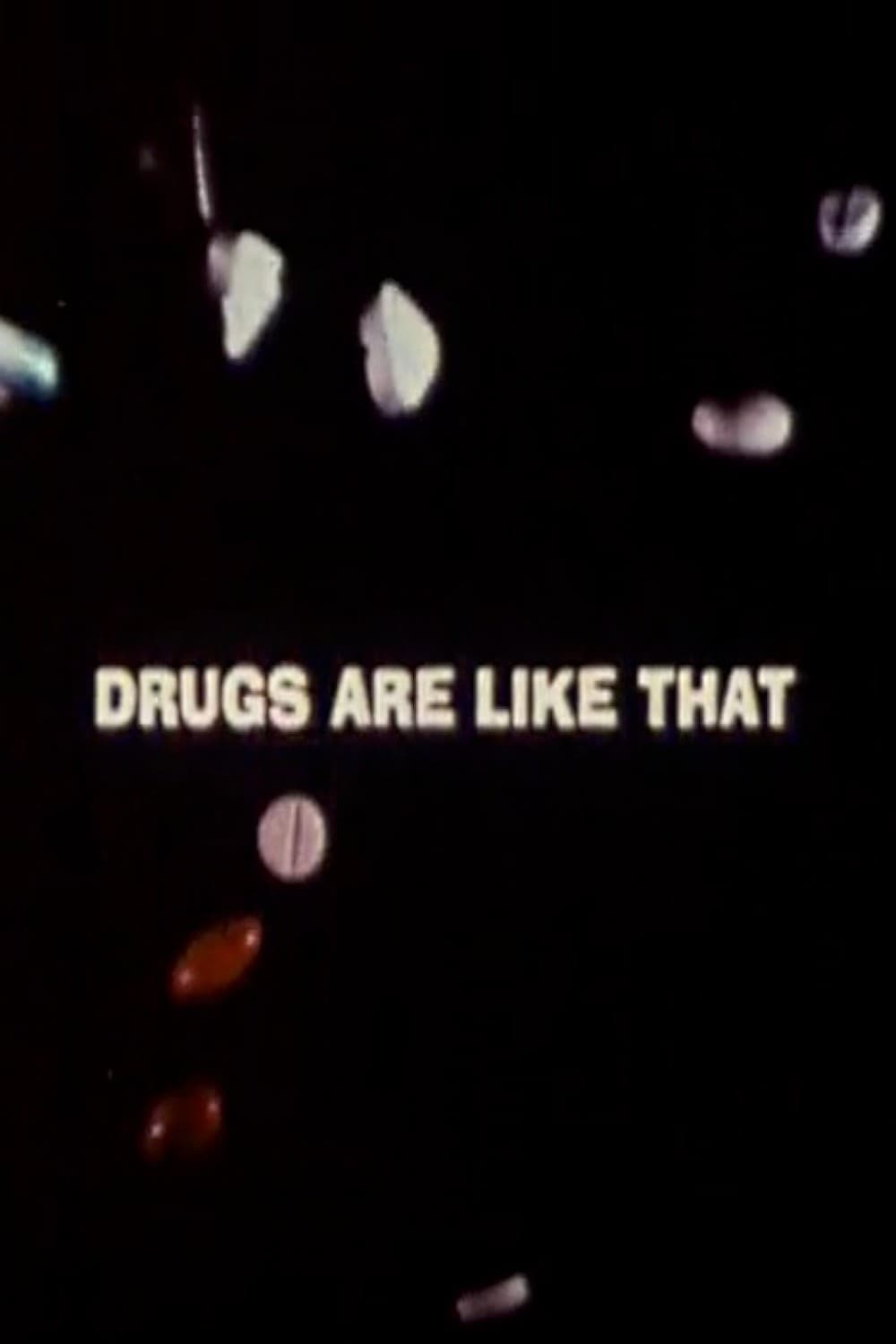
Drugs Are Like That
[…] Though the highs and lows of human experience are all here, it's often the gimcrack set design and fashion chops in these vintage clunkers that really wow – the pot-holder sweater vests, ponytails decorated with yarn, hippies with crumb-catching moustaches, banana-seat bikes and a hard rain of Quaaludes and amphetamines to illustrate the dangers of drug addiction. It is hard to believe anyone would buy the goofball cause-and-effect of that pill-popper's weather pattern in "Drugs Are Like That". Co-produced by the Miami Junior League and narrated by Anita Bryant in this cheery little hand-slapper, a kid stealing cookies from a cookie jar is implied to be headed down a bad road to Bowery bum rolls and LSD parties. (from: http://clatl.com/atlanta/av-geeks-greatest-hits-lessons-learned/Content?oid=1268313)
Insights
Plot Summary
This educational film from 1969 aims to warn young audiences about the dangers of drug use. It graphically depicts the potential physical and psychological consequences of experimenting with various substances, including marijuana, LSD, and amphetamines. The film uses a combination of stark imagery and a serious narrative tone to convey its anti-drug message. It serves as a historical artifact of public health campaigns and drug education strategies of its era.
Critical Reception
As an educational film from the late 1960s, "Drugs Are Like That" was likely intended for a specific audience and purpose, rather than widespread critical review. Its effectiveness would have been measured by its impact on viewers' perceptions of drug use. Contemporary reception would have focused on its informational and cautionary value within schools and community groups. Modern assessments may view it as a dated but historically significant example of anti-drug propaganda.
What Reviewers Say
A stark and cautionary portrayal of drug effects.
Reflects the prevailing anti-drug sentiment of the late 1960s.
Visually impactful for its time, intended to shock viewers into abstinence.
Google audience: Information on specific Google user reviews for this particular educational film is not readily available. However, films of this nature from the era were generally reviewed based on their perceived effectiveness in deterring drug use among youth, with varying degrees of success and often criticism for their sensationalism.
Fun Fact
This film is often cited as an example of 'scared straight' propaganda, a common approach in drug education during the 1960s and 70s that relied on graphic depictions of negative consequences to deter drug experimentation.
AI-generated overview · Verify ratings on official sources