IMDb7.1/10
Rotten Tomatoes92%
Director: John S. Robertson•Genres: Horror, Drama, Mystery
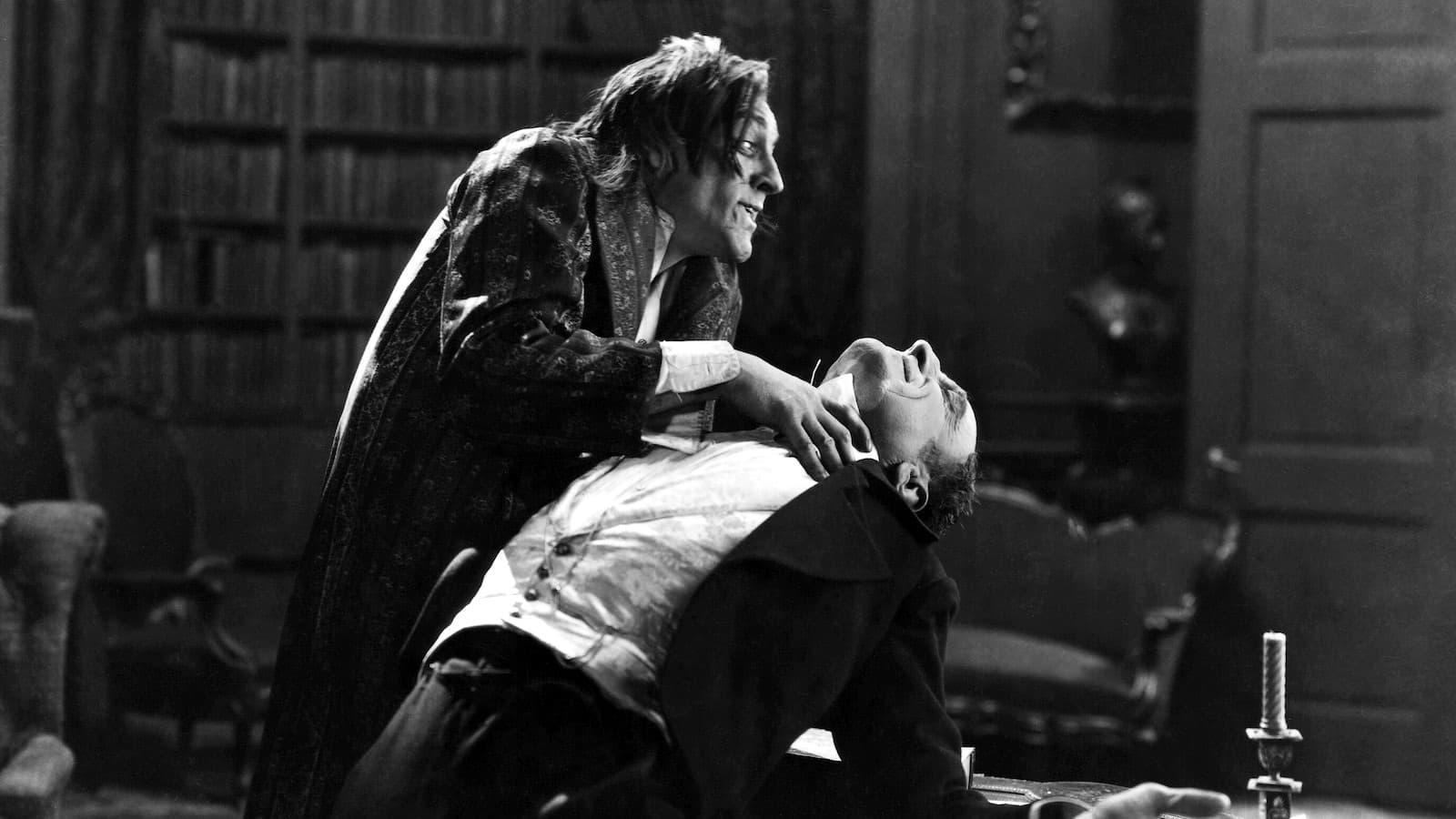
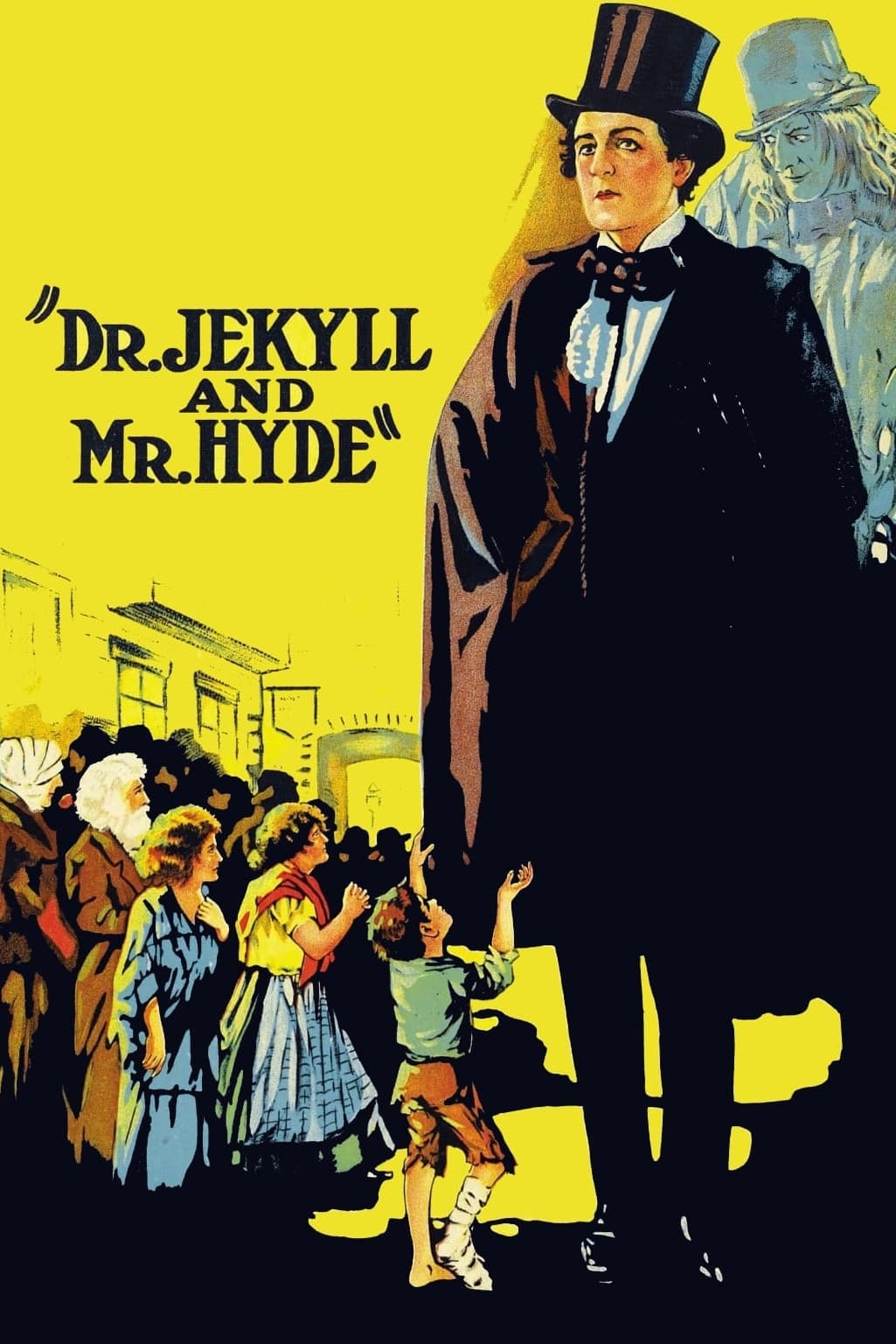
In Victorian London, the respectable Dr. Henry Jekyll becomes obsessed with the idea of separating his good and evil natures. He develops a potion that transforms him into the monstrous and depraved Edward Hyde. As Hyde's influence grows, Jekyll struggles to maintain control, leading to a tragic spiral of violence and moral decay.
The 1920 adaptation of "Dr. Jekyll and Mr. Hyde" is widely regarded as a landmark silent film, particularly for its groundbreaking special effects and John Barrymore's transformative performance. Critics at the time lauded its psychological depth and atmospheric dread, establishing it as a significant contribution to the horror genre.
John Barrymore's performance is universally praised as a tour-de-force of physical and emotional acting.
The film's early use of cinematic trickery to depict Jekyll's transformation was revolutionary for its time.
Hailed for its dark atmosphere and exploration of dual nature.
Google audience: While specific Google user ratings are unavailable for this silent film, contemporary reviews and modern assessments highlight its significant impact on cinematic horror and Barrymore's iconic portrayal.
John Barrymore's dramatic physical transformations for the role of Hyde were achieved through painstaking makeup and subtle contortions of his facial muscles, rather than relying on dissolves or superimposed shots.
AI-generated overview · Verify ratings on official sources