Movie spotlight
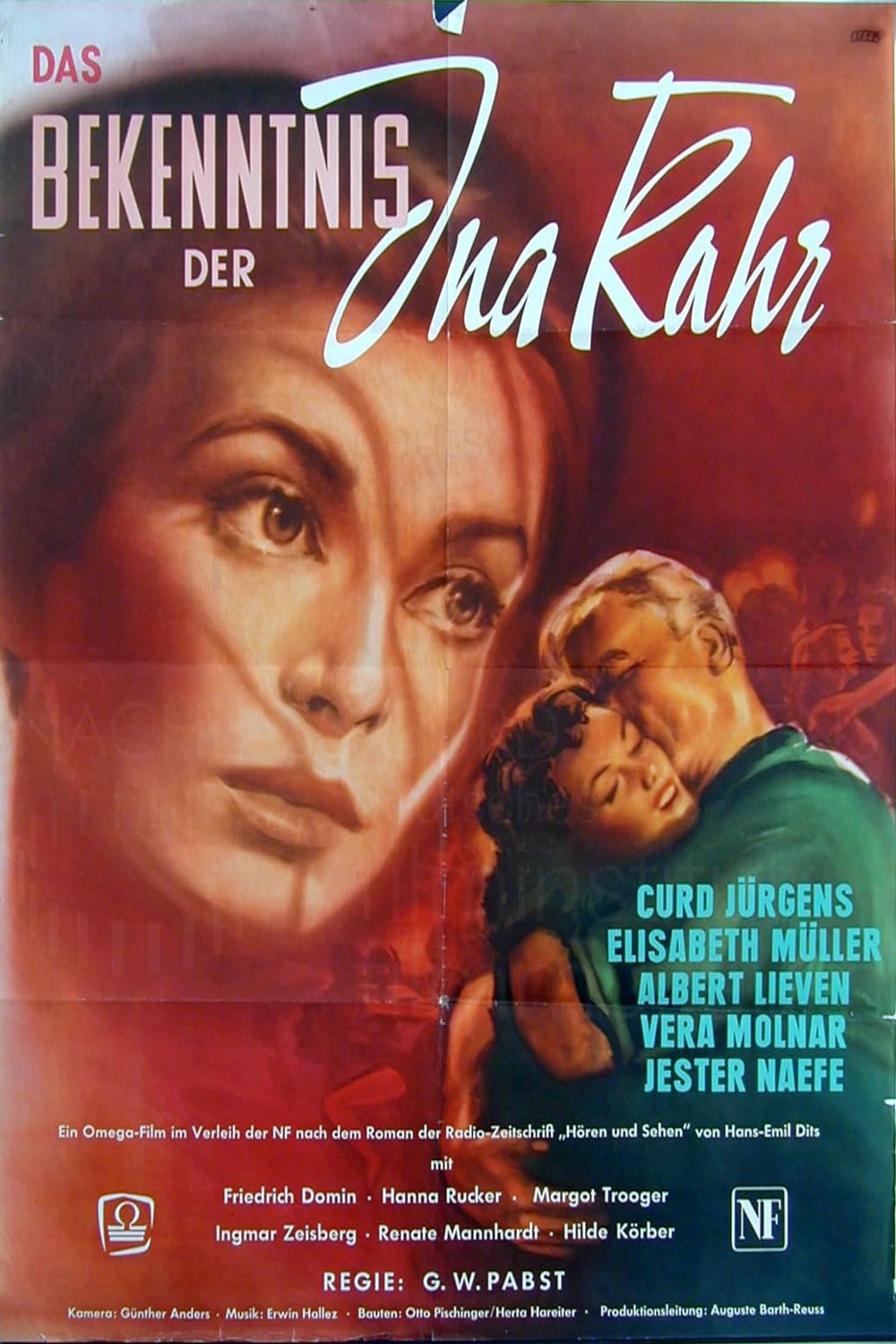
The Confession of Ina Kahr
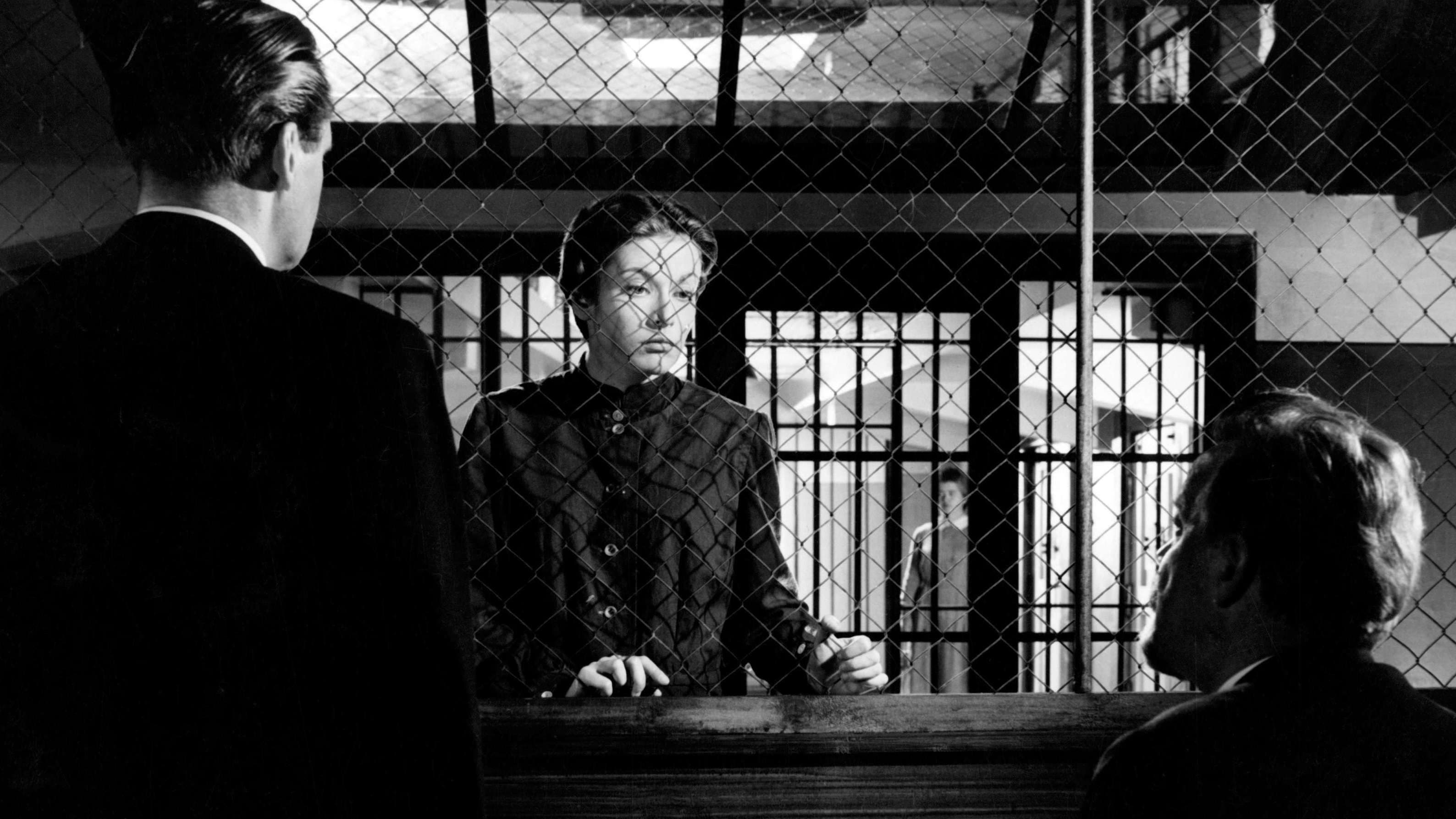
Told in flashback, the film recounts the events leading up to the killing of good-for-nothing Curt Jurgens. Warned by her friends and relatives that Jurgens is a bad job, impulsive Ina Kahr marries him anyway. His ceaseless philandering and abuse wears away at Ina to the point that she contemplates poisoning her husband...
Insights
Plot Summary
In post-war Germany, Ina Kahr, a woman haunted by her past, is drawn into a complex web of lies and accusations surrounding a murder. As the investigation unfolds, hidden truths about betrayal and survival in a morally ambiguous society begin to surface. The film delves into the psychological toll of war and the struggle for redemption.
Critical Reception
Georg Wilhelm Pabst's final film, 'The Confession of Ina Kahr,' is a somber examination of post-war German guilt and moral ambiguity. While its pacing can be deliberate, the film is praised for its atmospheric tension and nuanced performances, particularly from Anneliese Buchholz. It is considered a significant, though often overlooked, work of German cinema.
What Reviewers Say
Praised for its atmospheric portrayal of post-war German society.
Anneliese Buchholz delivers a compelling performance as the conflicted protagonist.
The film's deliberate pacing contributes to its somber and contemplative tone.
Google audience: Information on Google user reviews for this film is not readily available.
Fun Fact
The film marked the final directorial effort of the renowned German filmmaker G.W. Pabst, who had previously directed acclaimed works such as 'The Threepenny Opera' and 'Pandora's Box'.
AI-generated overview · Verify ratings on official sources