Movie spotlight
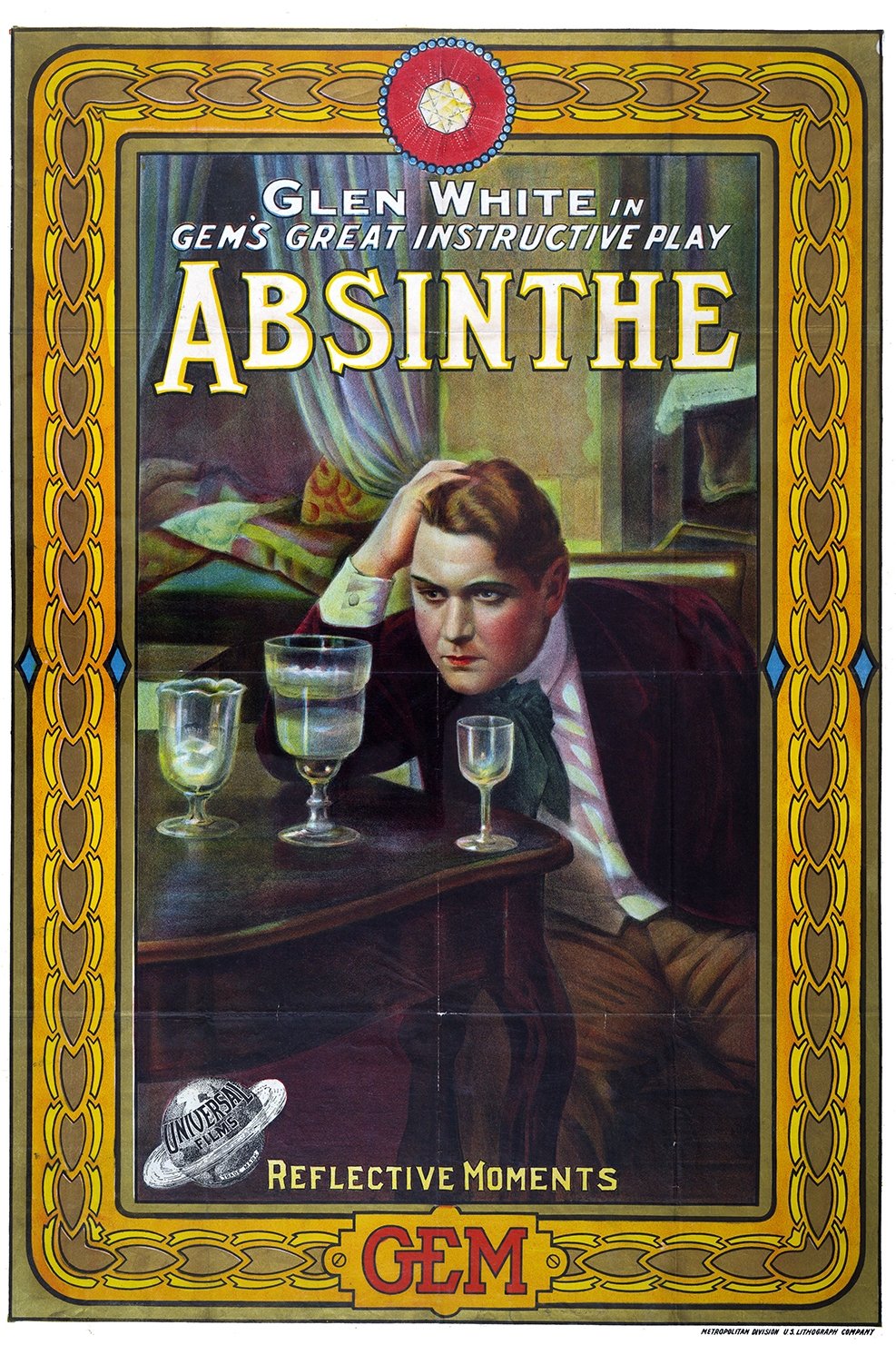
Absinthe
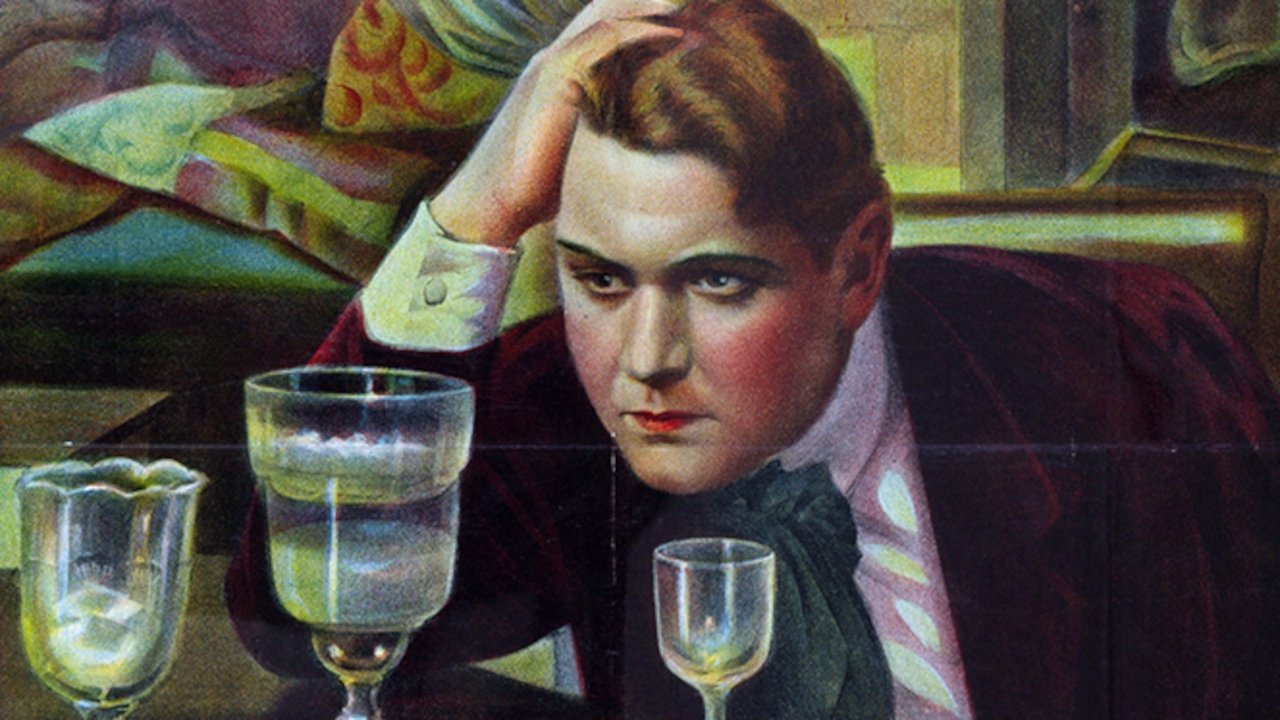
A French artist in love with his model, but is abandoned by her because he is addicted to absinthe. He dreams about how his life is going downhill as he continues to drink.
Insights
Plot Summary
A young woman becomes entangled with a bohemian artist and falls into the allure of absinthe, leading her down a path of addiction and despair. The film explores the destructive consequences of substance abuse and its impact on personal relationships and societal standing.
Critical Reception
As a silent film from 1913, specific critical reception is difficult to ascertain with modern metrics. However, films of this era often focused on moralistic themes and melodrama, suggesting it likely resonated with audiences concerned with social issues.
What Reviewers Say
Explores the darker side of bohemian life and addiction.
A melodramatic portrayal of societal downfall.
Reflects early 20th-century concerns about morality and substance abuse.
Google audience: As a film from 1913, there are no accessible Google user reviews for 'Absinthe'. Historical context suggests it would have been viewed through the lens of early cinema's dramatic and moralistic storytelling.
Fun Fact
The film's director, Otto Rippert, was a prominent figure in early German cinema, known for his work in the silent era, often exploring somber and dramatic themes.
AI-generated overview · Verify ratings on official sources