
Movie spotlight
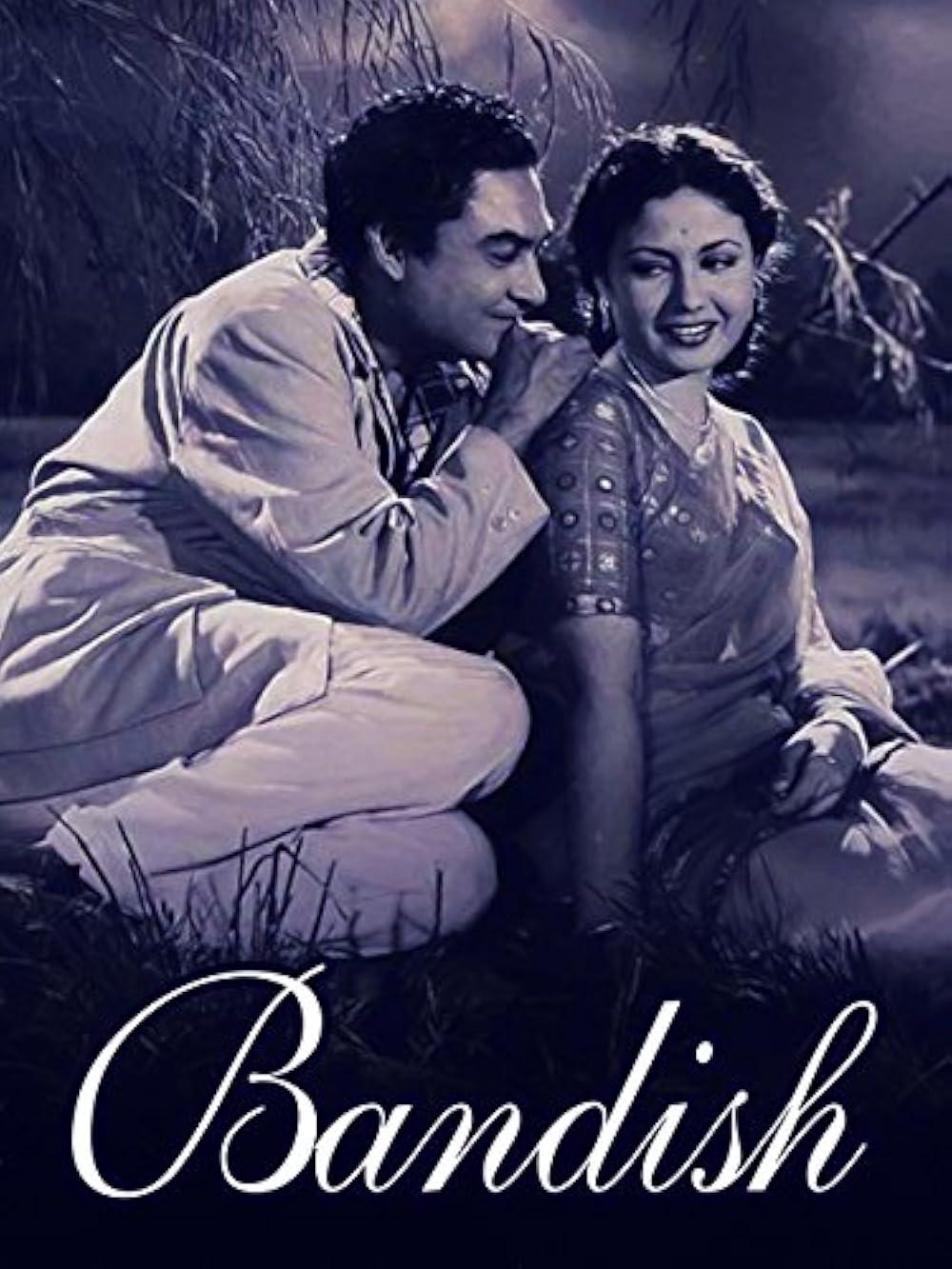
Bandish
Mahender has been responsible for the upbringing of Tomato, a young child at a very early age. Now Mahender's health is getting worse, and he is afraid his ill-health may be contagious and may endanger Tomato. So Mahender decides to leave Tomato in the park near Kamal Roy, and instructs Tomato to call Kamal his dad. Tomato does so, and this results in utter chaos in the life of Kamal. He is unable to convince his lady love Usha Sen that the child is not his; and additionally Kamal is under pressure from his dad and mom to get married. Kamal begs Tomato to leave him, but Tomato refuses to do so. How will this impact on Kamal's life and relationships?
Insights
Plot Summary
In the village of Rampur, an illiterate young farmer named Ramdas falls in love with Sundari, the daughter of the village zamindar. Their love is forbidden due to their differing social statuses. Ramdas must overcome the obstacles posed by Sundari's proud father and the machinations of a rival villager who also desires Sundari's hand. The film explores themes of social inequality, love transcending class, and the struggle for justice.
Critical Reception
Bandish was a significant film in its time, praised for its social commentary and powerful performances, particularly from Dilip Kumar. It resonated with audiences for its portrayal of rural Indian life and its exploration of caste and class divides. While specific critical reviews from 1955 are scarce, its lasting impact and box office success indicate a positive reception.
What Reviewers Say
Praised for Dilip Kumar's intense performance as the conflicted farmer.
Appreciated for its sensitive portrayal of forbidden love across social strata.
Noted for its strong social message regarding zamindari oppression and class disparity.
Google audience: Audience reception information from Google reviews is not available for this classic film.
Fun Fact
Bandish was one of the early films that highlighted the social injustices prevalent in rural India during the zamindari system, making it a socially relevant film of its era.
AI-generated overview · Verify ratings on official sources