Movie spotlight
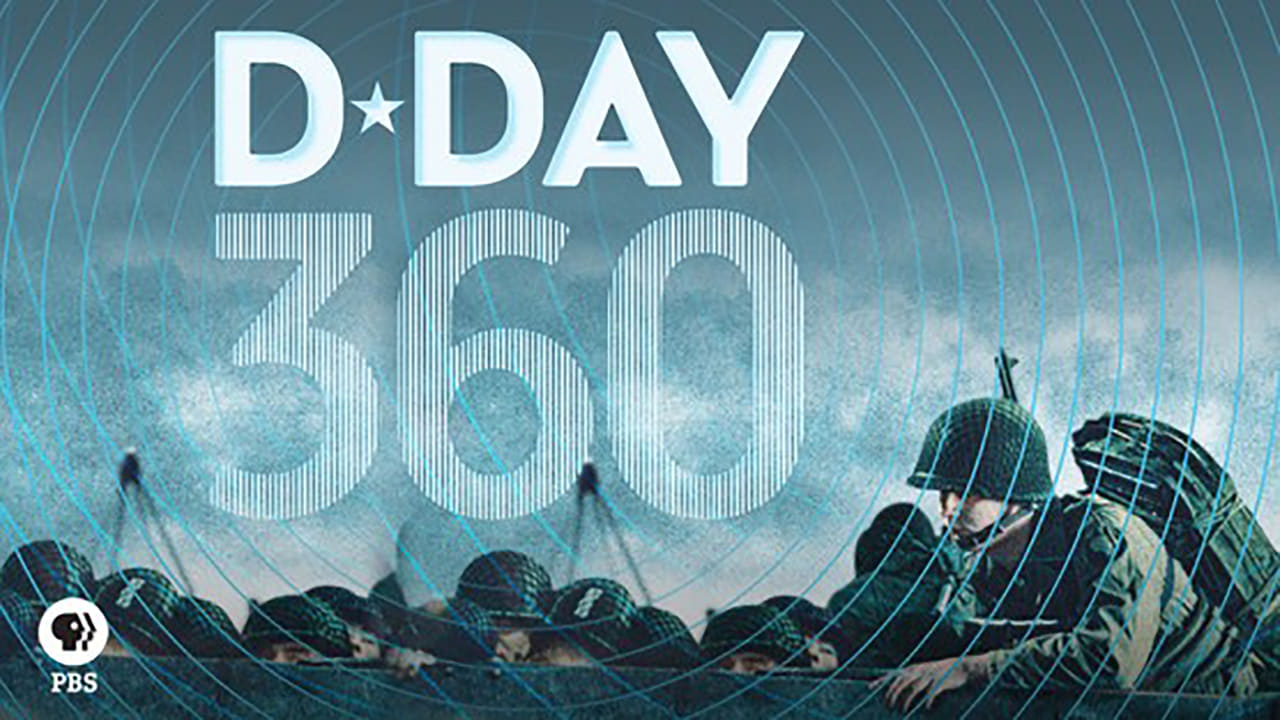
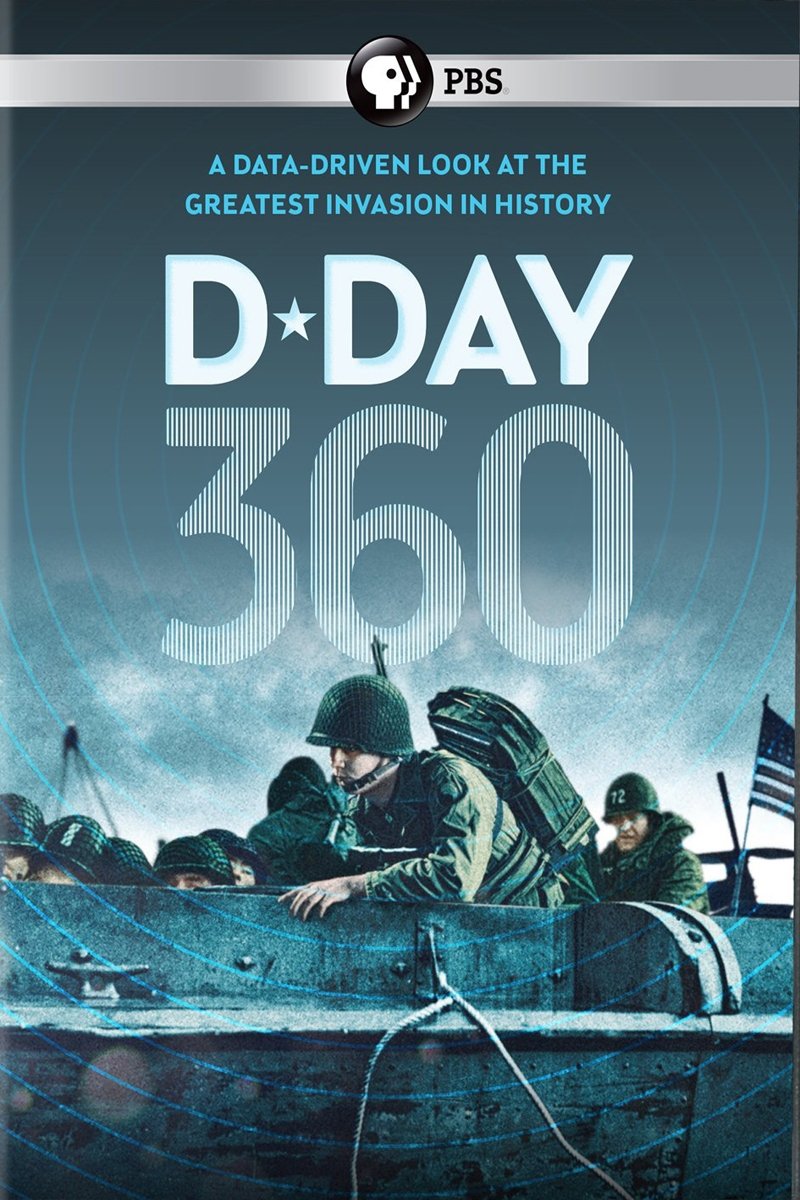
D-Day 360
From PBS - Focusing on the most important strip of Omaha beach that day - the exit at Vierville-sur-Mer - D-DAY 360 strips D-Day back to its raw data to reveal how the odds of victory, in the greatest gamble of World War II, swung on what happened over a five-hour period on a five mile stretch of French coastline. Data gathered though forensic laser scanning, 3D computer modeling, and eye-witness accounts bring the battlefield to life as never before.
Insights
Plot Summary
D-Day 360 offers a comprehensive look at the pivotal D-Day invasion of June 6, 1944, from the perspectives of both Allied and German forces. The documentary utilizes CGI and historical accounts to reconstruct the events of the day and the 360 days that followed, which led to the liberation of Europe. It delves into the strategic planning, the brutal reality of the landings, and the subsequent campaign.
Critical Reception
D-Day 360 was generally well-received for its detailed historical accounts and effective use of CGI to visualize the events. Critics praised its comprehensive approach, covering the broader context and aftermath of the invasion. Audiences found it to be an informative and engaging documentary that brought a significant historical event to life.
What Reviewers Say
Praised for its detailed historical narrative and CGI visualizations.
Appreciated for providing a comprehensive view of the D-Day invasion and its aftermath.
Seen as an informative and engaging educational tool for understanding a critical historical event.
Google audience: Information regarding specific Google user reviews and their summary is not readily available for this documentary.
Fun Fact
The documentary aims to provide a 360-degree view of the D-Day operations by not only focusing on the invasion day itself but also on the 360 days that followed, highlighting the extended campaign to liberate Europe.
AI-generated overview · Verify ratings on official sources