
Doctor Dolittle
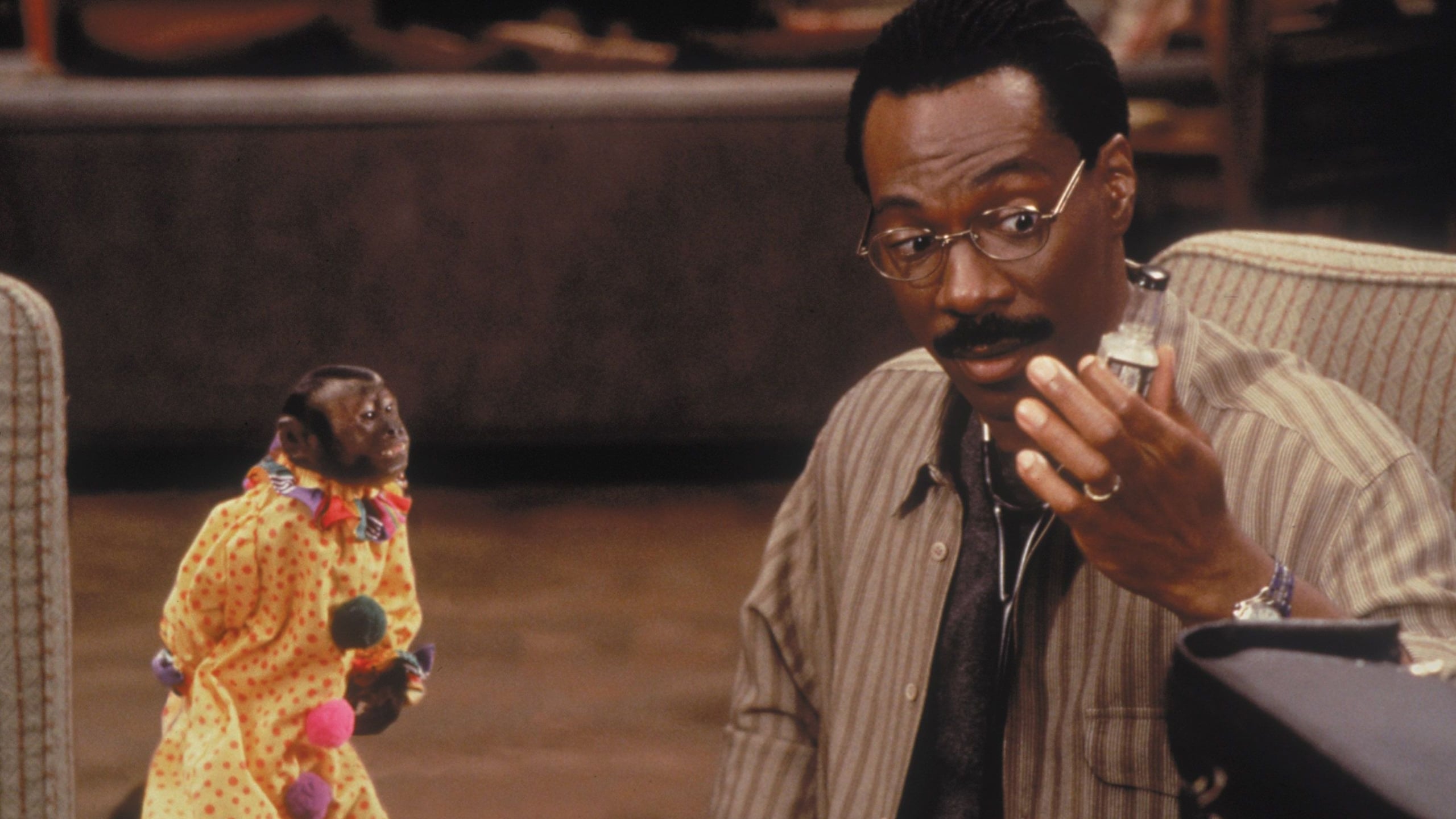
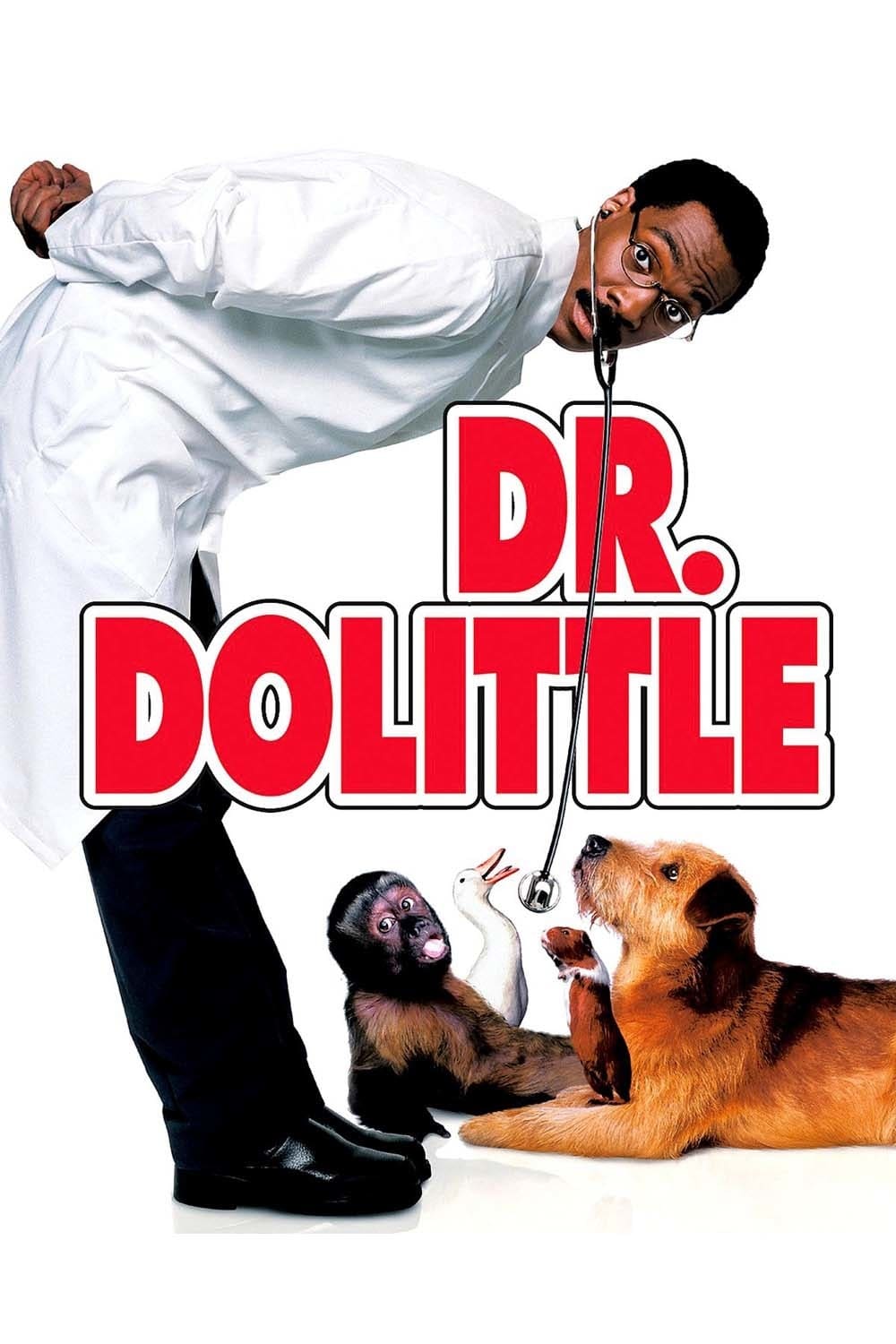
A successful physician and devoted family man, John Dolittle seems to have the world by the tail, until a long suppressed talent he possessed as a child, the ability to communicate with animals is suddenly reawakened with a vengeance! Now every creature within squawking distance wants the good doctor's advice, unleashing an outrageous chain of events that turns his world upside down!
Insights
Plot Summary
A successful, busy doctor discovers he can talk to animals after a near-fatal accident. Initially disoriented by his newfound ability, he struggles to reconcile his human life with the constant chatter of the animal kingdom. As he embraces his talent, he uses it to help both animals and people, leading to humorous and heartwarming situations.
Critical Reception
Doctor Dolittle (1998) was met with mixed reviews from critics, who often found the humor to be hit-or-miss and the plot predictable. However, it was generally well-received by family audiences, who appreciated its lighthearted tone and Eddie Murphy's performance. The film was a commercial success, leading to several sequels.
What Reviewers Say
- Eddie Murphy's comedic talent is showcased, though the film's humor is often considered crude.
- The talking animal effects were praised, but the storyline was seen as weak and unoriginal.
- A family-friendly comedy that relies heavily on slapstick and Murphy's improvisational skills.
Google audience: Audiences generally enjoyed the film for its humor and the novelty of talking animals, with many finding it a fun watch for the family. Some viewers found the jokes repetitive and the plot lacking depth.
Fun Fact
The voice of the dog, Lucky, was originally intended to be performed by Albert Brooks, but Eddie Murphy ended up voicing the character himself after Brooks dropped out.
AI-generated overview · Verify ratings on official sources