
Movie spotlight
Datok Merah’s Grandson
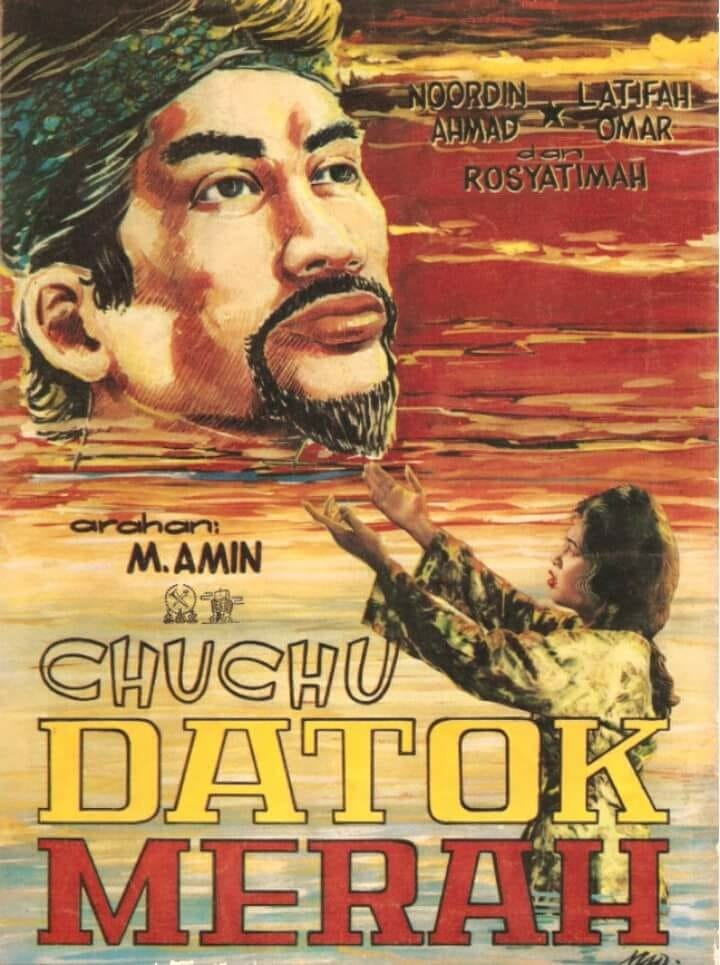
A period drama with Malay symbolisms, myth and folklore, the title Chuchu Datok Merah points to the mental image Malays have of themselves as descendants of Hang Tuah, the legendary Malay warrior of Malacca. Awang Janggut is very much a pseudo-warrior. Instead of a “keris”, a warrior’s weapon, he owns a prize-winning rooster. His battlefield is the cock fight arena. Home is a big but empty house inherited from his ancestor, and prefers living in poverty to working. The closest he comes to the high life of a warrior is when a rich businessman employs him as a bodyguard after he prevents hooligans from taunting the latter’s daughter Siti. Despite knowing Awang is married, Siti continues to flirt with him, causing him to leave his pregnant wife alone. She eventually falls sick and has a miscarriage. The film is a social criticism of people who rest on their laurels and ancestry instead of working for themselves. It is also one of the finest examples of the anti-hero in Malay cinema.
Insights
Plot Summary
Set in post-independence Malaya, the film follows the struggles of Pak Sako, the grandson of the legendary Datok Merah, as he navigates the complexities of modern life while upholding his grandfather's legacy. He faces challenges from corrupt officials and societal changes that threaten the traditional values he holds dear. The story culminates in his efforts to protect his community and restore honor to his family name.
Critical Reception
As a significant film from early Malay cinema, 'Datok Merah's Grandson' was generally well-received by local audiences for its patriotic themes and traditional storytelling. While critical analysis from its era is scarce, it is recognized for its role in shaping national identity through cinema and its exploration of cultural values.
What Reviewers Say
Praised for its depiction of traditional Malay values and heritage.
Appreciated for its patriotic undertones and focus on national identity.
Noted for its melodramatic storytelling typical of the era.
Google audience: Information on Google user reviews for this film is not readily available due to its age and the region of its original release. However, films of this nature were generally popular within their domestic markets.
Fun Fact
The film is considered a seminal work in the golden age of Malay cinema, contributing significantly to the development of nationalistic themes in local films during the early years of Malaysia's independence.
AI-generated overview · Verify ratings on official sources