Movie spotlight
Taking Sides
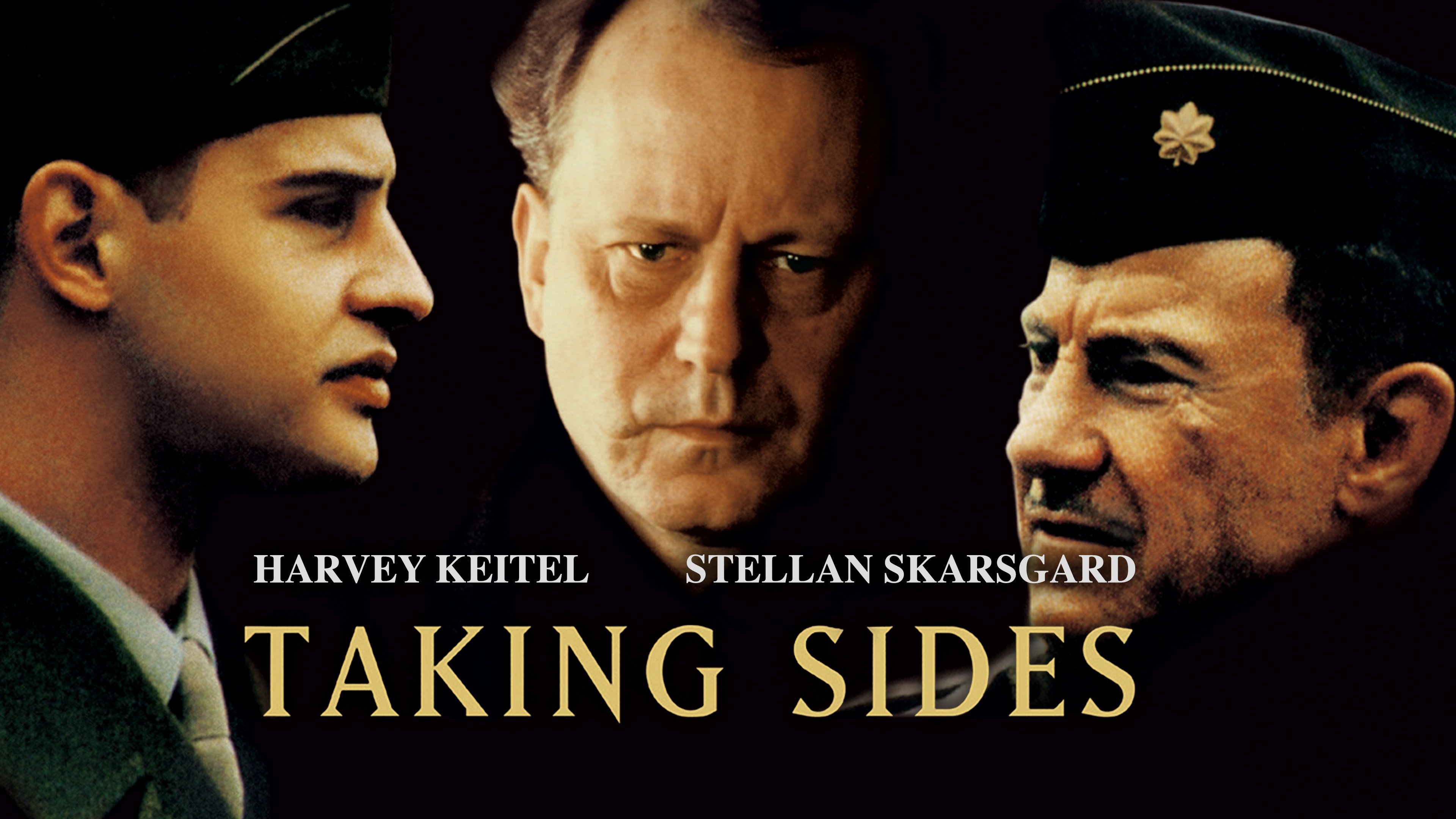
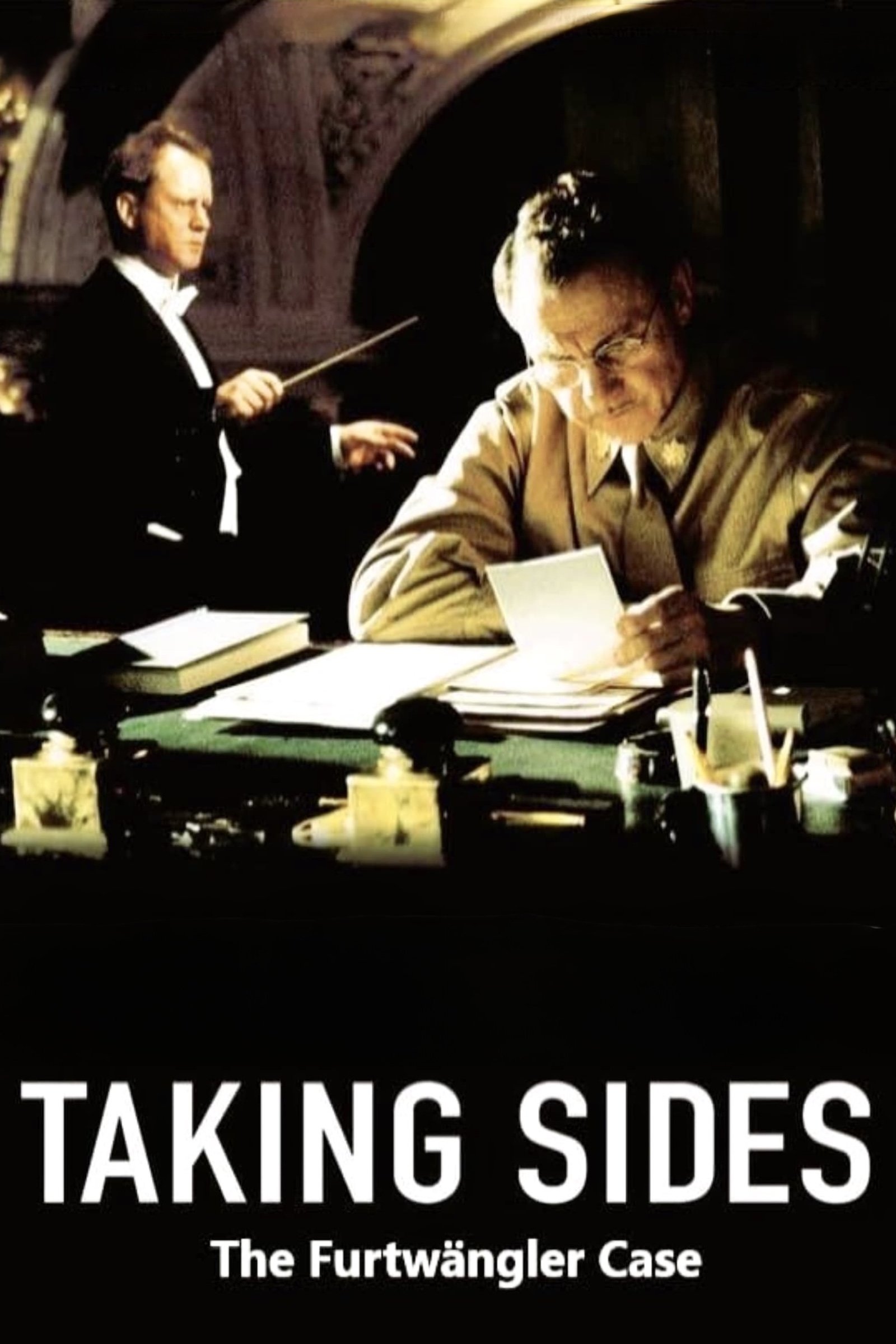
One of the most spectacular and renowned conductors of the 1930s, Wilhelm Furtwangler's reputation rivaled that of Toscanini's. After the war, he was investigated as part of the Allies' de-Nazification programme. In the bombed-out Berlin of the immediate post-war period, the Allies slowly bring law and order to bear on an occupied Germany. An American major is given the Furtwangler file, and is told to find everything he can and to prosecute the man ruthlessly. Tough and hard-nosed, Major Steve Arnold sets out to investigate a world of which he knows nothing.
Insights
Plot Summary
In post-World War II Germany, a U.S. Army officer, Major Steve Watson, is tasked with investigating the renowned conductor Wilhelm Furtwängler to determine if he collaborated with the Nazis. Watson delves into Furtwängler's past, uncovering the complexities of his decisions and allegiances during the Third Reich. The film explores the moral ambiguities and the immense pressure faced by artists in a totalitarian regime.
Critical Reception
Taking Sides received mixed to positive reviews, with critics often praising Harvey Keitel's performance and the film's exploration of complex ethical dilemmas. However, some found the pacing slow and the narrative less engaging than its subject matter might suggest. It was noted for its thoughtful portrayal of a difficult historical period and the personal choices individuals had to make.
What Reviewers Say
Praises Keitel's compelling portrayal of a conflicted conductor.
Explores the moral ambiguities of art and collaboration during wartime.
Some viewers found the film's pacing to be too deliberate.
Google audience: Audience reception is not widely documented on Google Reviews for this film.
Fun Fact
The film is based on a 1995 play of the same name by Ronald Harwood.
AI-generated overview · Verify ratings on official sources