
Movie spotlight
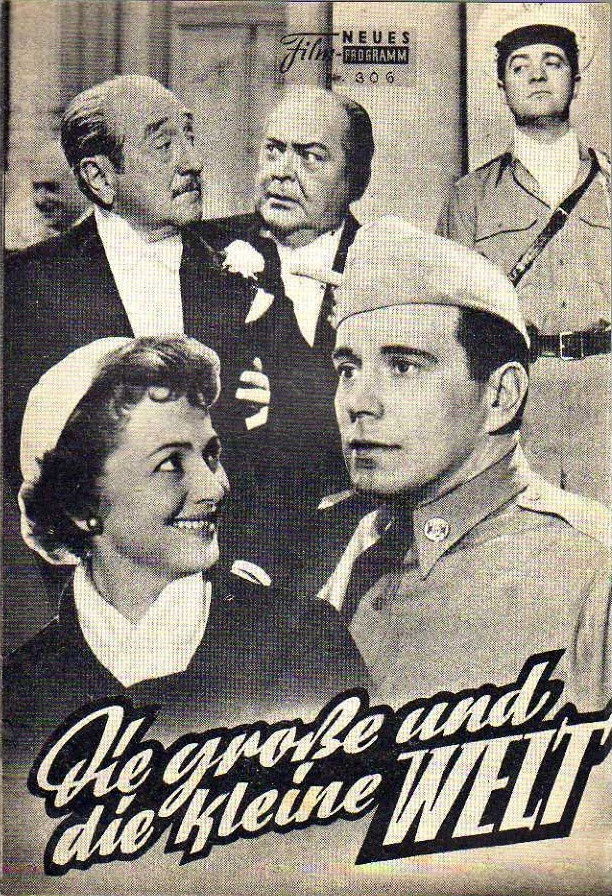
Die große und die kleine Welt
The taxi driver Fritz gets to know the millionaire-heiress Iris and marries her against the wishes of her family. They live together in a small apartment and are very happy. But Fritz wants to offer Iris more and thus finds a position as a laborer in a large car factory and ends up making a career for himself as a race car driver. But while he is driving from one victory to another, he is getting more and more estranged from his young wife. As his career starts to go downhill, he notices the mistakes he has made and tries to win Iris back.
Insights
Plot Summary
In this German drama, a young woman from a wealthy background finds herself drawn into the struggles of the working class after a personal tragedy. She becomes involved in social activism, challenging the established norms of her society and her own privileged upbringing. The film explores themes of class disparity, personal sacrifice, and the search for meaning in a rapidly changing world.
Critical Reception
As a film from 1936 Germany, contemporary critical reception is difficult to ascertain with modern standards. However, it is recognized as a melodrama that touches upon social issues, reflecting some of the complex undercurrents of the era. Its reception among audiences at the time would likely have been influenced by the prevailing political climate.
What Reviewers Say
Explores the societal divide between the wealthy and the working class.
Features a dramatic narrative with a focus on personal transformation.
Reflects the social and political atmosphere of pre-war Germany.
Google audience: Information on Google user reviews from 1936 is not available.
Fun Fact
Käthe von Nagy was a popular star in German cinema during the 1930s, known for her roles in operettas and dramas.
AI-generated overview · Verify ratings on official sources