
Movie spotlight
The Human Condition I: No Greater Love
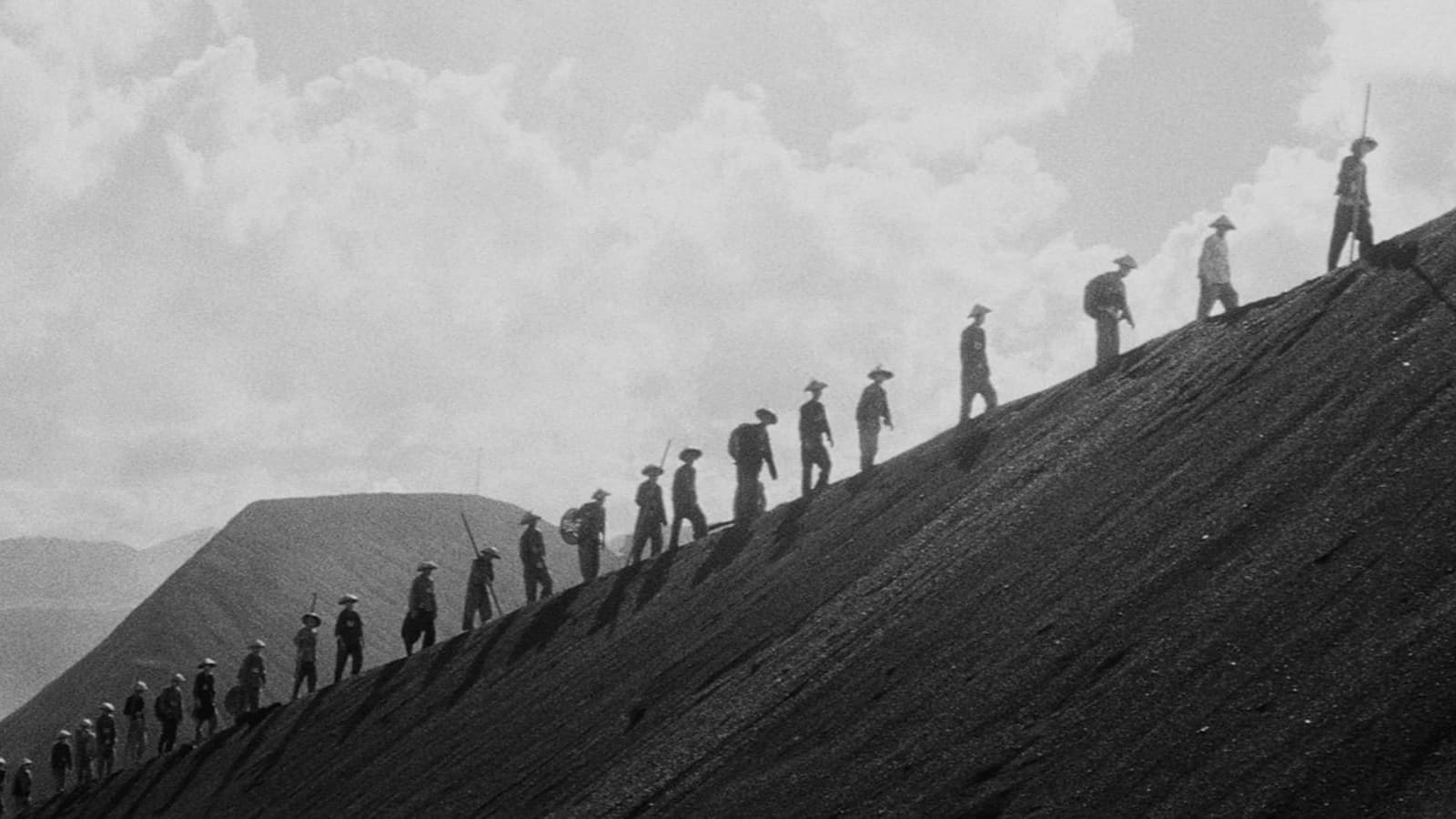
After handing in a report on the treatment of Chinese colonial labor, Kaji is offered the post of labour chief at a large mining operation in Manchuria, which also grants him exemption from military service. He accepts and moves with his newlywed wife Michiko, but when he tries to put his ideas of more humane treatment into practice, he finds himself at odds with scheming officials, cruel foremen, and the military police.
Insights
Plot Summary
In 1940s Japan, wealthy industrialist Kageyama struggles to manage a Manchurian iron mine with humane labor practices, facing corruption and exploitation. His idealism is tested as he navigates the complexities of war, family duty, and personal integrity amidst growing political turmoil.
Critical Reception
The first installment of 'The Human Condition' trilogy is widely regarded as a monumental achievement in Japanese cinema, praised for its epic scope, unflinching portrayal of war's horrors, and profound humanism. Masaki Kobayashi's directorial vision and Tatsuya Nakadai's central performance have been consistently lauded.
What Reviewers Say
An epic and deeply moving anti-war statement.
Features a powerful central performance and breathtaking cinematography.
Its sheer length and uncompromising bleakness are both challenging and rewarding.
Google audience: Audience reception is overwhelmingly positive, with viewers frequently praising the film's powerful anti-war message, emotional depth, and masterful filmmaking. Many consider it a cinematic masterpiece.
Awards & Accolades
None notable for this specific installment, though the trilogy as a whole has received significant critical acclaim and recognition over time.
Fun Fact
The entire 'The Human Condition' trilogy was filmed over an astonishing 18 months, with the actors reportedly enduring extreme conditions, mirroring the harsh realities depicted on screen.
AI-generated overview · Verify ratings on official sources