IMDb7.6/10
Google Users95%
Director: Yoon Je-kyoon•Genres: Drama, History, War
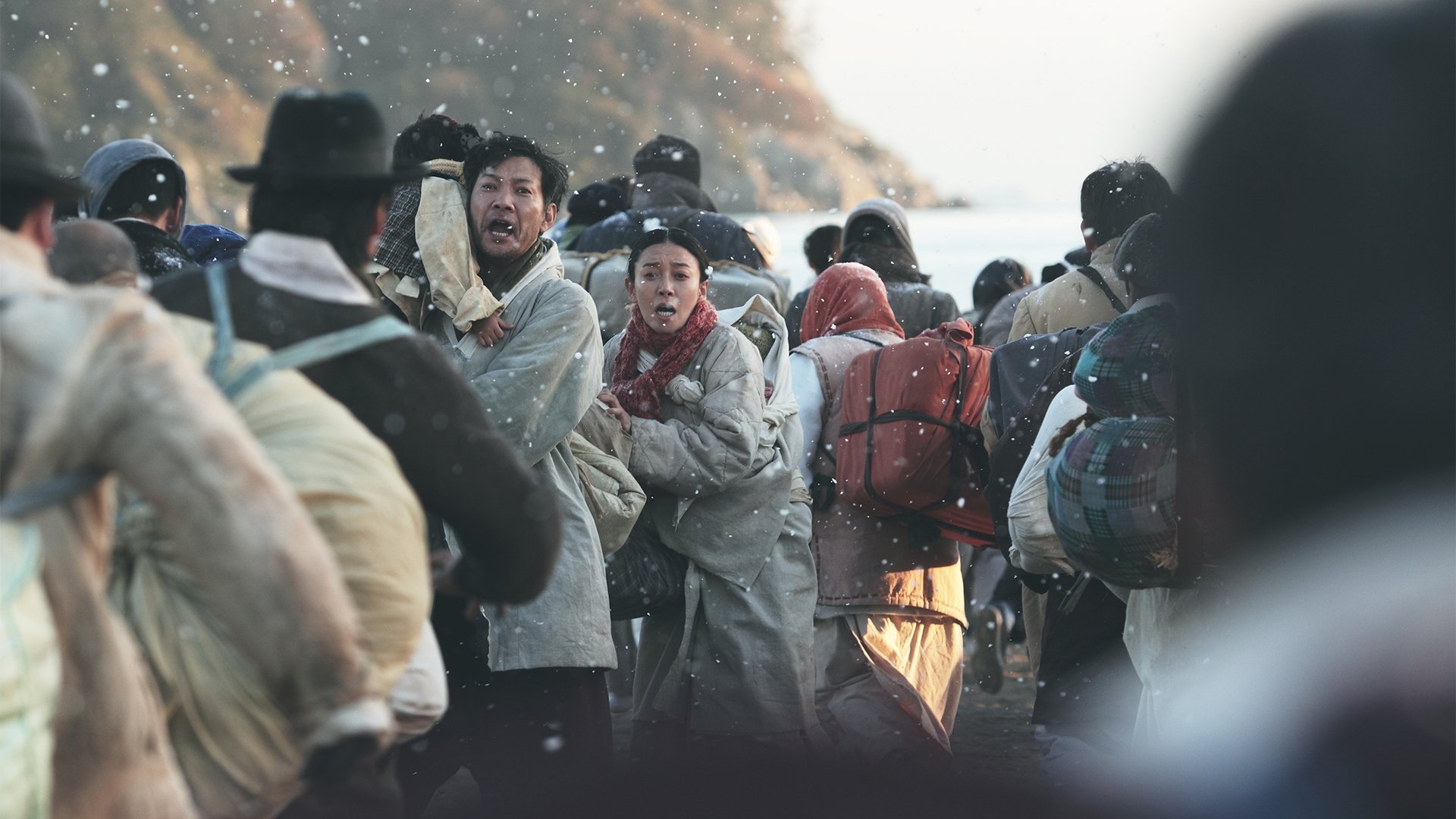
The film chronicles the life of Deok-soo, a man who flees his hometown during the Korean War and dedicates his life to supporting his family, even sacrificing his own dreams. Through decades of major historical events in Korea, from the Vietnam War to the economic boom, Deok-soo faces separation, loss, and hardship, always striving to be the head of the family he promised to be. His life becomes a poignant reflection of the struggles and resilience of the Korean people in the latter half of the 20th century.
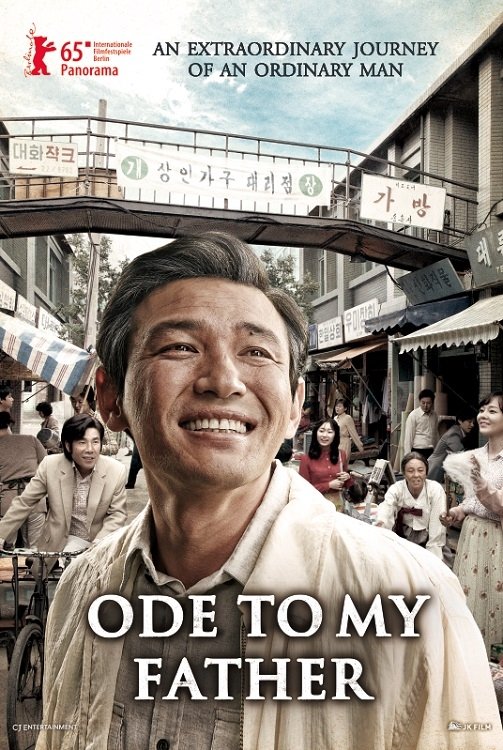
Ode to My Father was a massive commercial success in South Korea, becoming one of the highest-grossing films in the country's history. Critics were generally positive, praising its emotional depth, historical scope, and the performances of its lead actors. However, some reviews noted its overtly nationalistic and politically charged narrative, which sparked debate.
A sweeping, emotional epic that captures the hardships of modern Korean history.
Praised for its powerful performances and its ability to evoke deep feelings of patriotism and sacrifice.
Criticized by some for its selective portrayal of historical events and perceived political agenda.
Google audience: Viewers found the film deeply moving and emotionally resonant, highlighting its powerful storytelling and its ability to connect with the experiences of families who lived through Korea's turbulent modern history. Many appreciated its depiction of sacrifice and perseverance.
Nominated for Best Film at the Blue Dragon Film Awards; Won Best Film at the Baeksang Arts Awards.
The film was South Korea's submission for the Academy Award for Best Foreign Language Film in 2016, though it was not nominated.
AI-generated overview · Verify ratings on official sources