
Movie spotlight
The Tree of Wooden Clogs
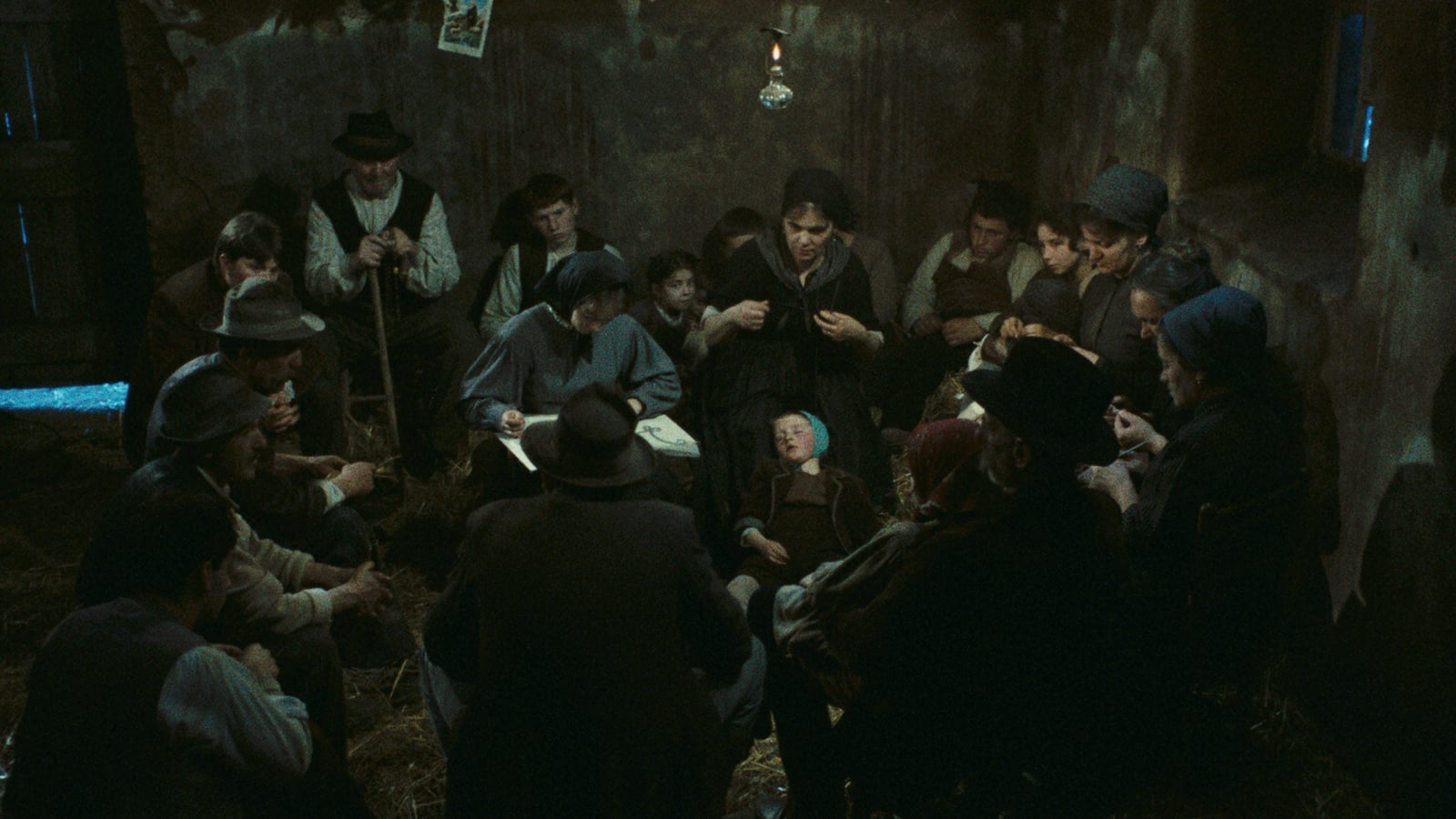
On a turn-of-the-20th-century northern Italian farm, a group of sharecroppers eke out a threadbare existence. A priest advises Batisti and his wife Batistina that their young son Minec should be formally educated, so they sacrifice his help in the fields and send him to school. When Minec's wooden shoe breaks one day, Batisti--in an act of desperation--puts the family's future at risk to replace the clog.
Insights
Plot Summary
Set in rural Lombardy, Italy, during the late 19th century, this film follows the lives of peasant families struggling to survive under the harsh conditions of sharecropping. It intimately portrays their daily routines, their connection to the land, and their simple joys and sorrows, all centered around the central theme of the enduring spirit of the common people. The narrative unfolds through a series of vignettes, depicting their labor, their faith, and their quiet resilience against poverty and exploitation.
Critical Reception
Critically acclaimed worldwide, 'The Tree of Wooden Clogs' is celebrated as a masterpiece of neorealism and a poignant depiction of peasant life. It received universal praise for its authenticity, profound humanity, and Olmi's masterful direction, becoming a landmark film in Italian cinema.
What Reviewers Say
Praised for its authentic portrayal of rural Italian life.
Lauded for its profound humanism and quiet, observational style.
Acclaimed as a visually stunning and deeply moving epic.
Google audience: Information not readily available.
Awards & Accolades
Palme d'Or at the Cannes Film Festival (1978), Best Foreign Film at the César Awards (1979), David di Donatello Awards for Best Film and Best Director (1979).
Fun Fact
Ermanno Olmi cast non-professional actors from the region where the film was shot to ensure maximum authenticity, and many of the actors were actual farmers and laborers.
AI-generated overview · Verify ratings on official sources