
Movie spotlight
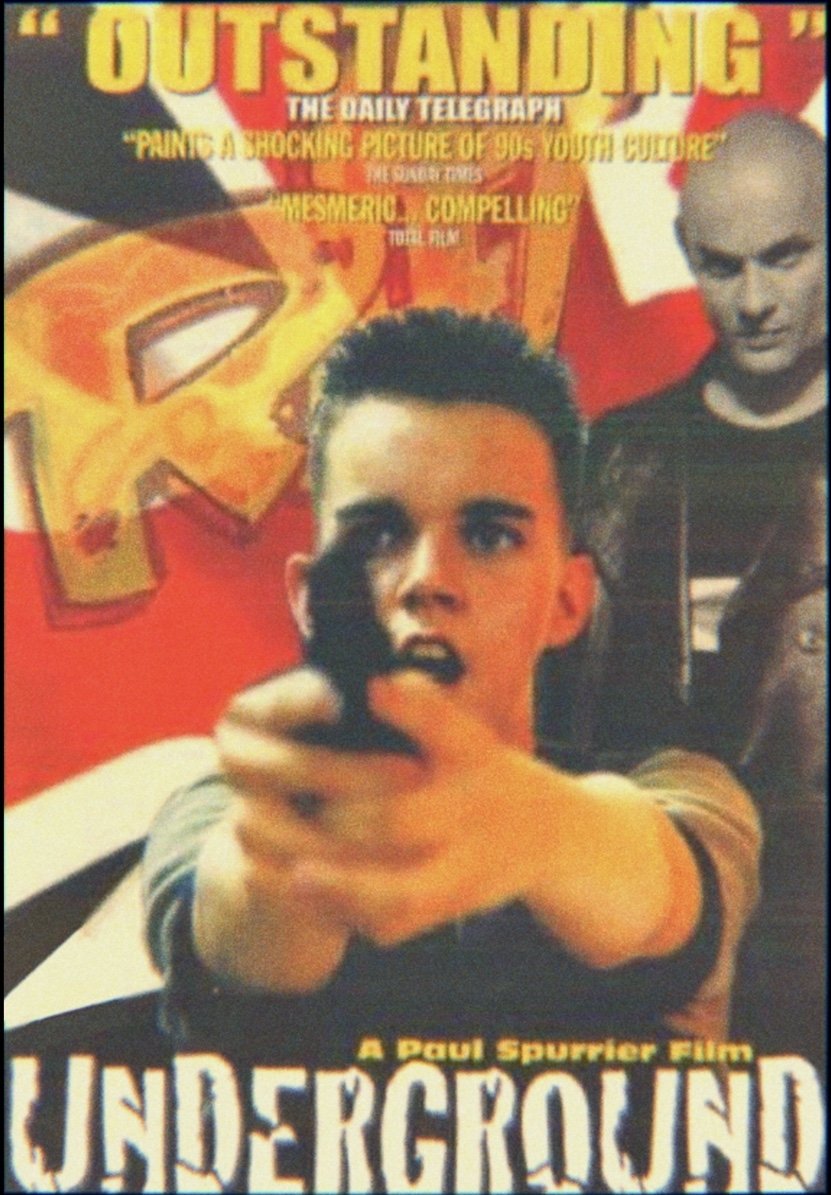
Underground
There is another side to London that remains unknown to the tourists, that emerges only at night, that comes alive in aging terraced houses and sprawling estates. It is a world of pills of dubious origin swallowed hurriedly and hopefully, of music with a thumping beat that you'll still hear when you wake up the morning after, of Rizla papers bought from an all-night garage, of bottles of mineral water shared as love tokens, of greasy kebabs eaten when the taste-buds have long since numbed, of sunrises viewed through stinging eyes. It is close to heaven, but it is very close to hell. For Rat, a fifteen year-old drug dealer, it is the only world he knows. Over one night Rat's world turns upside down as he finds himself on the run from older, far more serious criminals. We follow Rat as he looks for shelter with those he thinks he can trust. As each door closes on him, the likelihood of ever seeing the light of day again grows smaller.
Insights
Plot Summary
The film tells the story of two friends, Marko and Petar, from Belgrade, who are involved in the communist resistance during World War II. Marko spends the war hiding in a wine cellar, producing weapons for the Partisans, while Petar is sent to fight on the front lines. After the war, Marko continues to profit from Petar's supposed bravery and even marries his wife, all while Petar remains unaware, living in an underground bunker for years. The narrative spans decades, depicting the disintegration of Yugoslavia through the intertwined and often absurd lives of its characters.
Critical Reception
Emir Kusturica's 'Underground' is a sprawling, operatic epic that has garnered both immense critical acclaim and significant controversy. Praised for its audacious filmmaking, vibrant energy, and darkly comedic portrayal of Yugoslavian history, it won the Palme d'Or at Cannes. However, its historical narrative and allegorical interpretations have also drawn criticism for being overly cynical and potentially revisionist.
What Reviewers Say
A visually stunning and energetic portrayal of a nation's tumultuous history.
Praised for its masterful direction and darkly humorous tone.
Criticized by some for its complex, controversial historical allegories.
Google audience: Audiences generally admire the film's artistic vision, powerful storytelling, and unique blend of humor and tragedy. Many find it a captivating, albeit dense, cinematic experience that offers a provocative look at Yugoslavian history.
Awards & Accolades
Palme d'Or at the 1995 Cannes Film Festival.
Fun Fact
The film's production was plagued by delays and budget overruns, partly due to the ongoing Yugoslav Wars, and the director Emir Kusturica himself was a target of assassination attempts during the filming.
AI-generated overview · Verify ratings on official sources