Movie spotlight
Piedra Roja
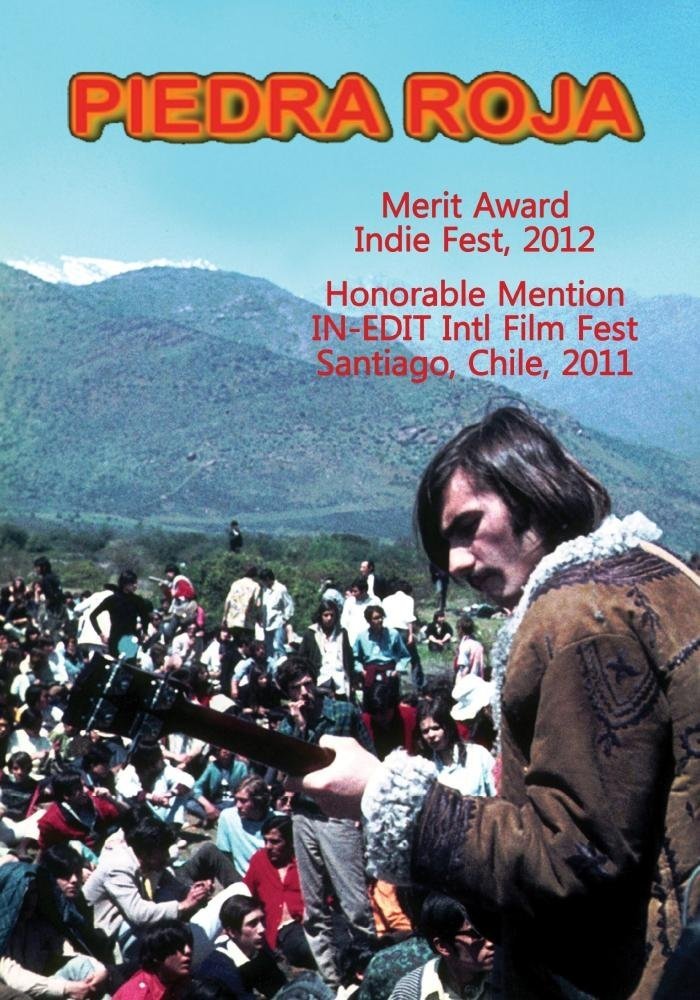
iedra Roja is a close-up look at how Chile's first 'hippie' rock festival (an imitation of Woodstock), profoundly affected Chilean society during a time of social and political upheaval--the inception of Salvador Allende's socialist government, the subsequent military coup d'etat, and Allende's suicide. The festival, widely condemned by the media as three days of drugs, violence and sex, became the scapegoat for both the left and the right to further political agendas. Emotional interviews with festival organizers and musicians illustrate how their involvement with the festival changed the courses of their lives as they dealt with backlash from both conservative Chileans and outraged government forces. Piedra Roja. laced with period music, was produced and filmed by one of the festival organizers.
Insights
Plot Summary
A gay Chilean architect, who is part of a religious commune, travels to the countryside to visit his mother. During his stay, he grapples with his desires and the strict religious doctrines he has been taught to follow. The film explores themes of faith, sexuality, and self-discovery within the context of a conservative community.
Critical Reception
Piedra Roja received positive reviews, with critics often praising its sensitive exploration of complex themes and Silva's direction. The film was noted for its nuanced portrayal of a character struggling with his identity within a restrictive environment.
What Reviewers Say
Praised for its thoughtful and nuanced portrayal of faith and sexuality.
Sebastián Silva's direction was commended for its sensitive and intimate approach.
The film's exploration of internal conflict resonated with many reviewers.
Google audience: Audience reception data for Piedra Roja on Google is not widely available.
Fun Fact
Sebastián Silva, the director and one of the stars, is also known for directing the acclaimed film 'The Maid' (La Nana).
AI-generated overview · Verify ratings on official sources