Movie spotlight
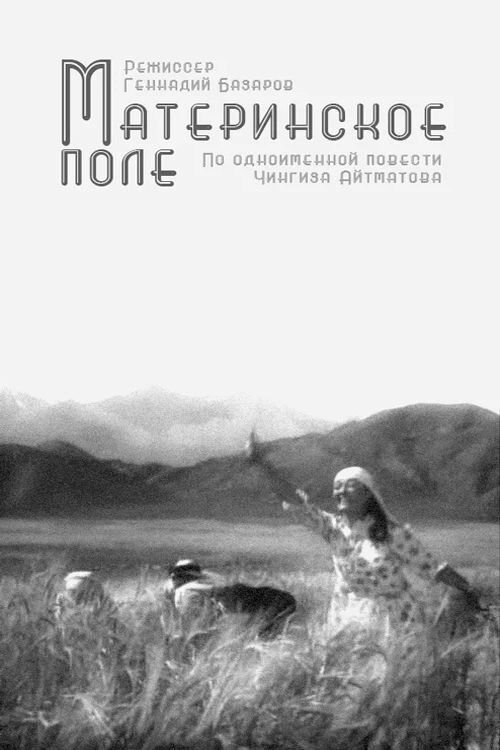
Mother's Field
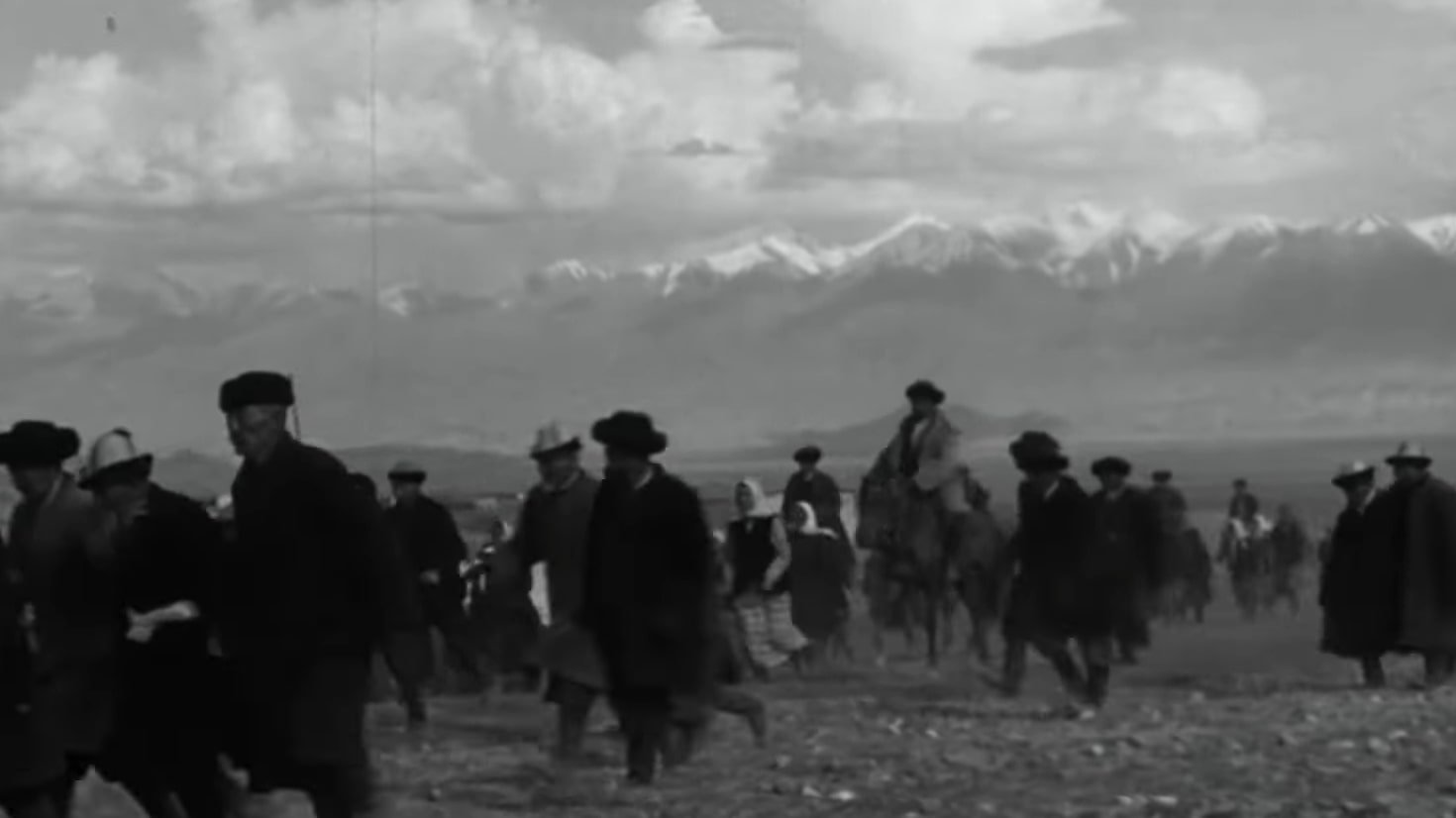
In a remote Kyrgyz village, a mother navigates daily life as her family is drawn into the upheaval of World War II. Left behind to tend the land and hold her household together, she clings to hope amid growing uncertainty. As seasons pass, the quiet weight of absence and memory shapes her world. A deeply personal story of endurance, Mother’s Field captures the emotional cost of war from the perspective of those who wait.
Insights
Plot Summary
The film tells the story of a peasant family on a collective farm in the Soviet Union during the post-war era. It focuses on the matriarch, who is deeply devoted to her land and her family, facing challenges and celebrating the simple joys of rural life. The narrative explores themes of love, labor, and the enduring strength of the human spirit in the face of hardship.
Critical Reception
While specific widespread critical reception data from Western sources for this Soviet film is limited, it was generally well-received within the Soviet Union, praised for its depiction of rural life and its emotional resonance. Critics often highlighted its strong performances and patriotic undertones.
What Reviewers Say
Praised for its portrayal of strong family bonds and the dedication to agricultural labor.
Appreciated for its emotional depth and the resilience of its characters.
Seen as a classic example of Soviet socialist realism cinema.
Google audience: Information on Google user reviews specifically for this film is not readily available.
Fun Fact
The film was one of the last works by director Ivan Piryev, a prominent figure in Soviet cinema known for his lyrical and often patriotic films.
AI-generated overview · Verify ratings on official sources