Movie spotlight
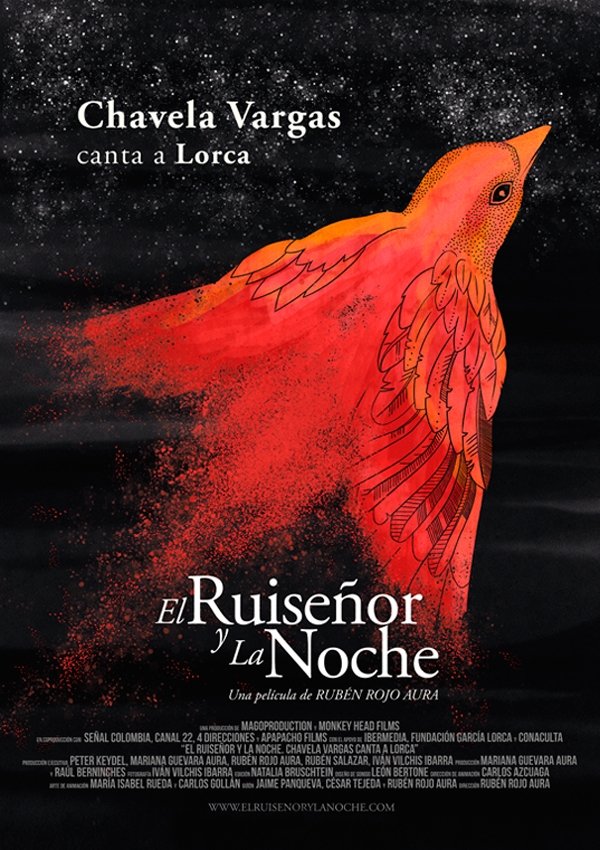
The Nightingale and the Night: Chavela Vargas sings Lorca.
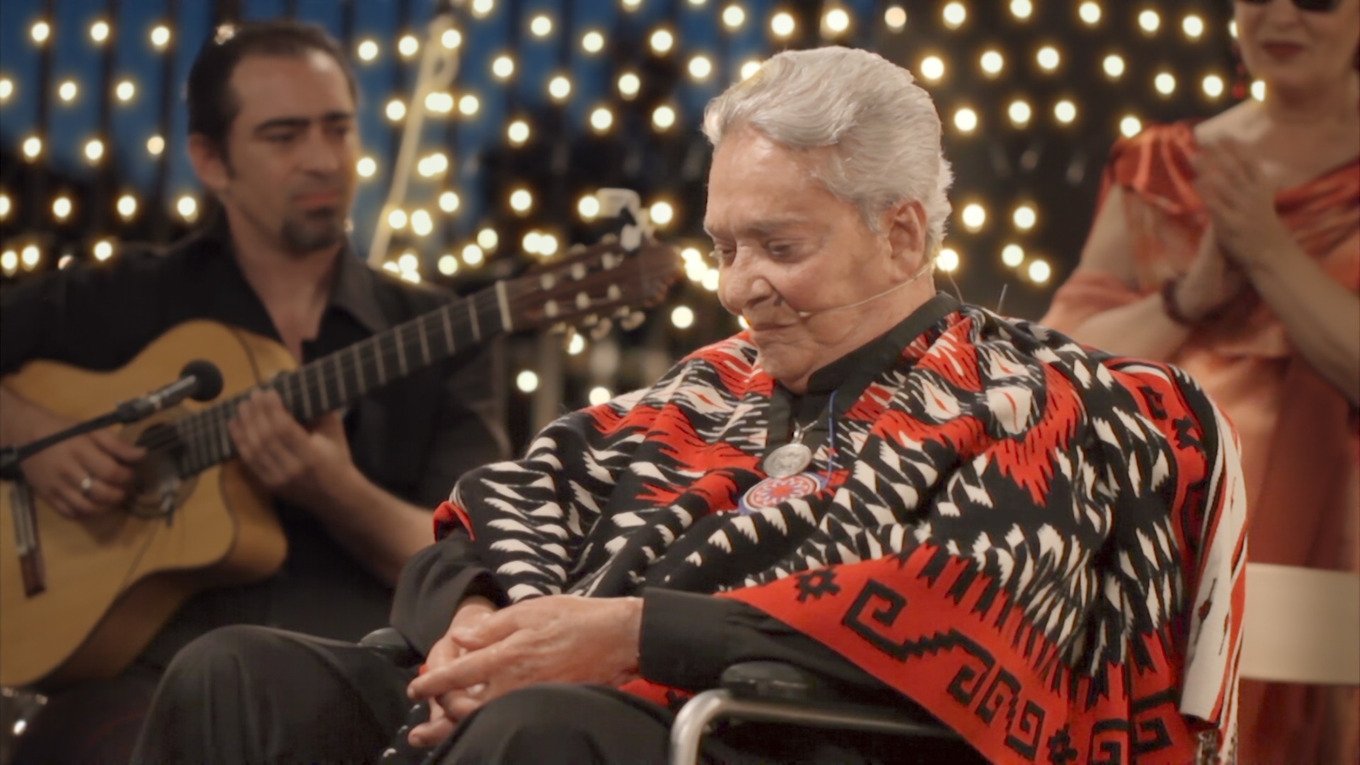
Chavela Vargas and Federico García Lorca are the main characters of this story. Poetry and music are the places of their meetings. Chavela explains when he lived in the same room where Federico García Lorca lived decades ago, was visited by a bird that contained the soul of the Spanish poet. In her last year of life, Chavela fulfills her last wish: to make a tribute to Spanish poet and finally meet him in the ranks of death. The Nightingale and the Night is a documentary that chronicles the transition from Chavela life to death, her union with Federico, dissolving the borders between reality and dreams.
Insights
Plot Summary
This documentary explores the profound connection between the legendary Costa Rican-Mexican singer Chavela Vargas and the iconic Spanish poet Federico García Lorca. Through Vargas's own interpretations of Lorca's poems set to music, the film delves into her life, her artistic process, and the enduring influence of Lorca's work on her career and personal philosophy. It offers a unique perspective on artistry, passion, and the exploration of deep human emotions through song and verse.
Critical Reception
The film was generally well-received by critics for its intimate portrayal of Chavela Vargas and her connection to Federico García Lorca. Reviewers praised its emotional depth, Vargas's powerful performances, and the thoughtful exploration of artistic inspiration. Some noted its documentary style as being more reflective than action-driven, appealing to those interested in music, poetry, and biographical studies.
What Reviewers Say
Praised for its poignant exploration of the artistic bond between Vargas and Lorca.
Chavela Vargas's soulful performances are highlighted as a major strength.
Appreciated for its lyrical and reflective approach to documentary filmmaking.
Google audience: Information on Google user reviews for this specific film is not readily available.
Fun Fact
Chavela Vargas was known for her distinctive style of singing rancheras in a gender-neutral way, often wearing a poncho and pants, which challenged traditional norms of femininity in Latin American music.
AI-generated overview · Verify ratings on official sources