
Movie spotlight
The Revolution Will Not Be Televised
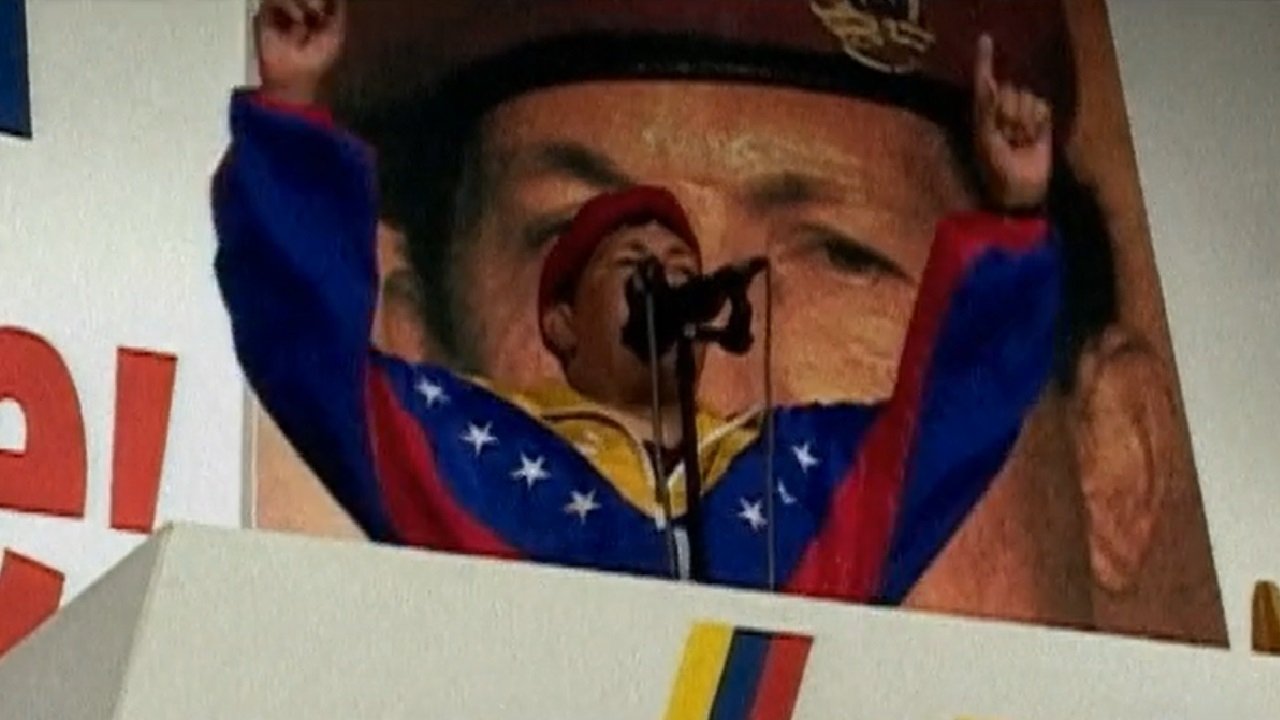
Hugo Chavez was a colourful, unpredictable folk hero who was beloved by his nation’s working class. He was elected president of Venezuela in 1998, and proved to be a tough, quixotic opponent to the power structure that wanted to depose him. When he was forcibly removed from office on 11 April 2002, two independent filmmakers were inside the presidential palace.
Insights
Plot Summary
This documentary chronicles the events of April 2002 in Venezuela, focusing on the attempted coup against President Hugo Chávez. It presents the perspective that the coup was orchestrated by opposition forces with the alleged backing of the United States, aiming to destabilize Chávez's government and undermine his socialist reforms. The film details the protests, the military's actions, and the subsequent popular mobilization that led to Chávez's brief ouster and swift return to power.
Critical Reception
The documentary received polarized reviews, largely aligning with political viewpoints on Hugo Chávez and Venezuelan politics. Supporters lauded it as a vital, uncensored account of a pivotal moment in Venezuelan history and a testament to the resilience of Chávez's movement. Critics, however, often dismissed it as a heavily biased propaganda piece that presented a one-sided narrative, ignoring evidence of widespread opposition to Chávez's government and the complexities of the events.
What Reviewers Say
Presents a partisan but compelling viewpoint on the 2002 Venezuelan coup attempt.
Praised by supporters as a necessary counter-narrative to mainstream media coverage.
Criticized by opponents for its alleged lack of objectivity and use as propaganda.
Google audience: Information on Google user reviews is not readily available for this documentary, likely due to its niche political focus and release date.
Awards & Accolades
While not a major awards circuit contender, the film was recognized within circles sympathetic to the Venezuelan government and was screened at various international film festivals, often sparking debate.
Fun Fact
The film's title is a direct reference to the famous 1971 song "The Revolution Will Not Be Televised" by Gil Scott-Heron, known for its themes of political awakening and resistance to media manipulation.
AI-generated overview · Verify ratings on official sources