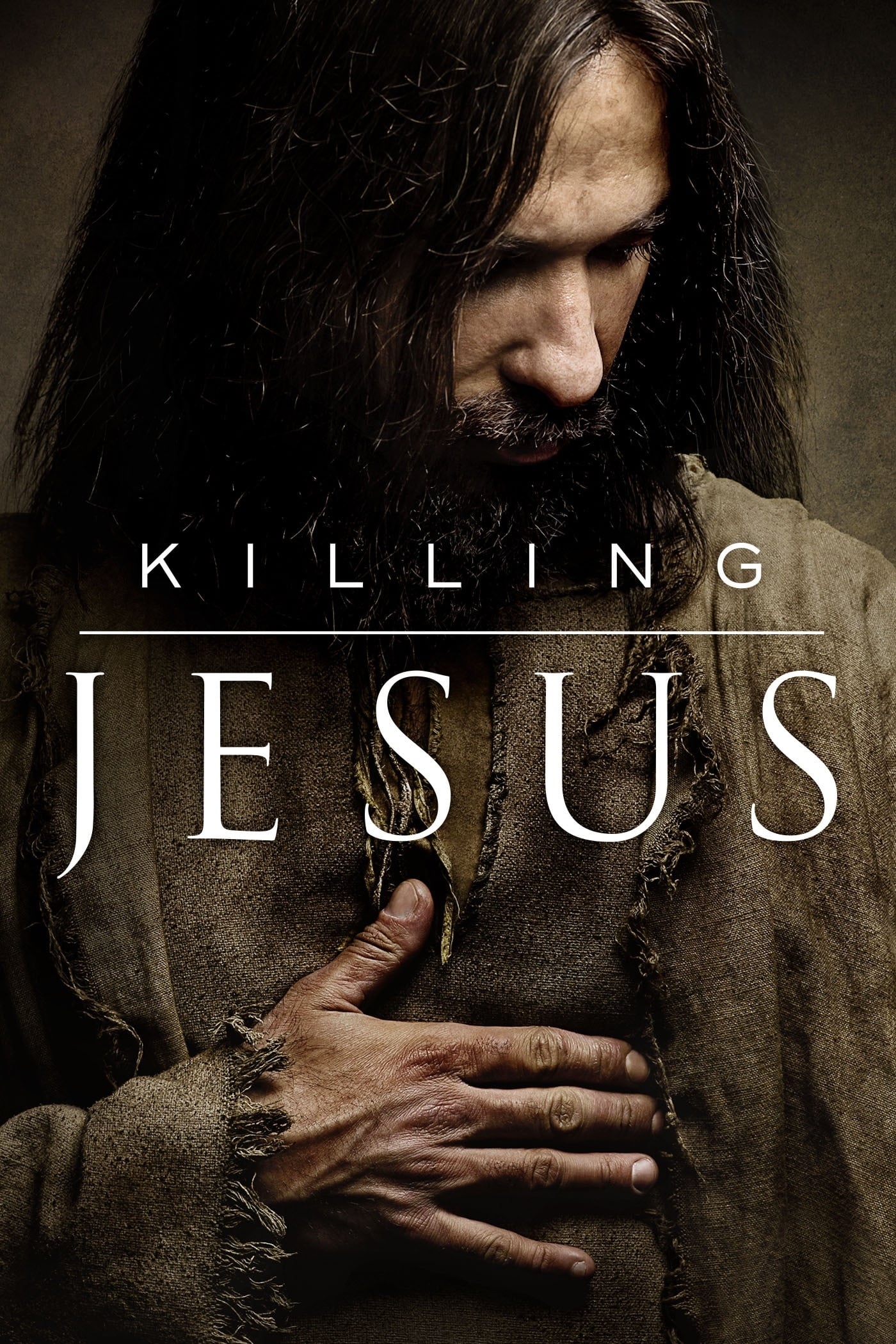

Killing Jesus
Jesus of Nazareth’s life and ministry were subject to seismic social and political events that led to his execution and changed the world forever.
Insights
Plot Summary
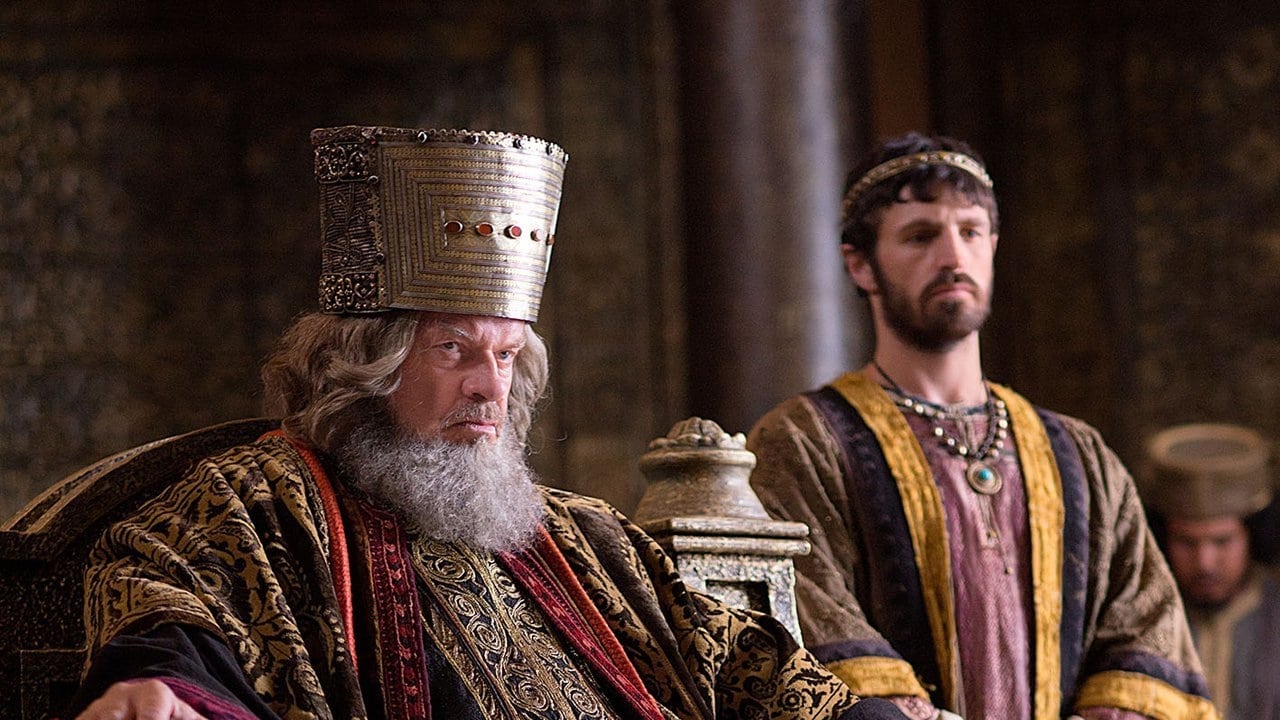
This docudrama explores the final days of Jesus Christ, examining the political and historical forces that led to his crucifixion. It delves into the perspectives of key figures, including Pontius Pilate and Judas Iscariot, to present a nuanced account of the events surrounding Jesus's trial and execution. The narrative aims to shed light on the complex motivations and societal pressures that culminated in one of history's most significant events.
Critical Reception
"Killing Jesus" received mixed reviews. While some appreciated its attempt to present a historical and political context for the crucifixion, others found the dramatization lacking in depth and its theological interpretations to be simplistic. Audience reception was varied, with some viewers connecting with the narrative and others critiquing its historical accuracy and dramatic execution.
What Reviewers Say
- Praised for its ambitious scope in depicting a pivotal historical event.
- Criticized for its sometimes superficial dramatization and historical interpretations.
- Noted for its ensemble cast's performances, particularly those portraying Roman and Jewish leaders.
Google audience: Google users generally found the film to be a thought-provoking exploration of the events leading to Jesus's death. Many appreciated the historical and political context it provided, while some felt it simplified complex theological and historical issues.
Fun Fact
The film is based on the bestselling book of the same name by Bill O'Reilly and Martin Dugard, which also sparked controversy for its historical interpretations.
AI-generated overview · Verify ratings on official sources