
Movie spotlight
Chappaqua
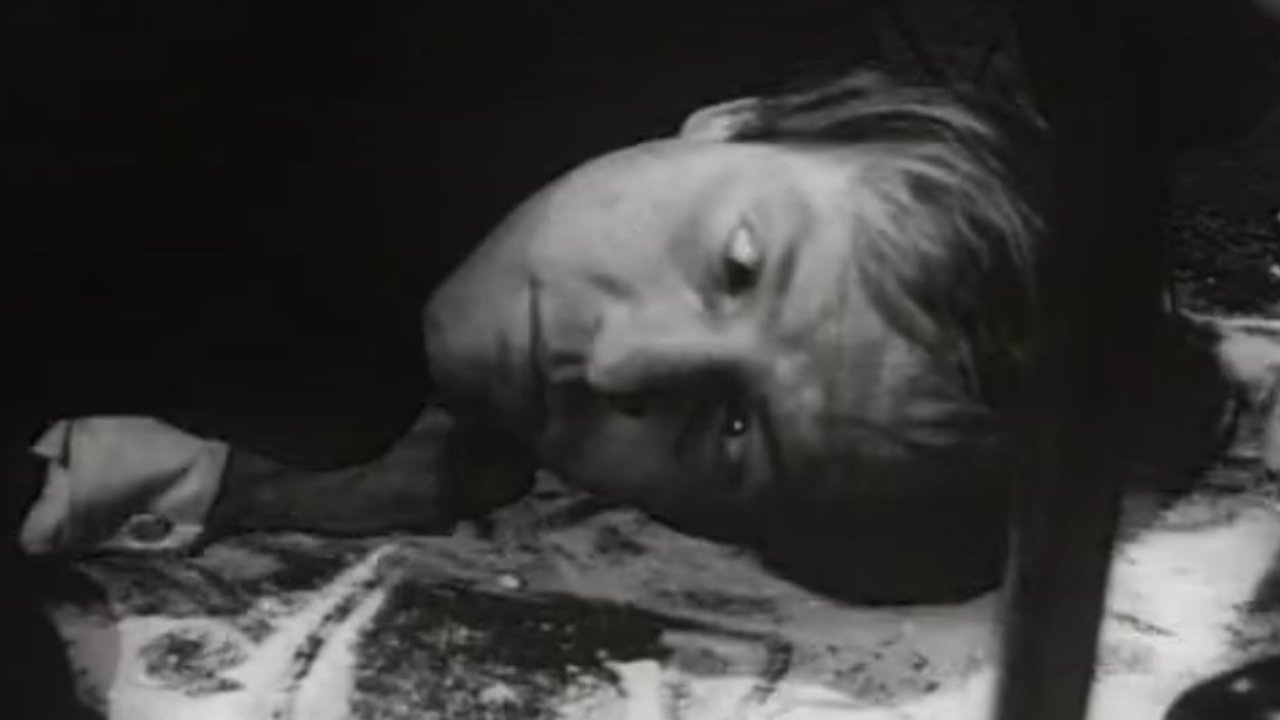
Semi-autobiographical story of Conrad Rooks, who travels to France to undergo a drug-withdrawal cure. Flashbacks to the beginings of psychedelia in San Fran. Though initially confusing, as Rooks blends drug-illusion with reality, and cuts color with black-and-white and monochrome tinted shots, "Chappaqua" is conventionally constructed with a beginning, middle, and end.
Insights
Plot Summary
A young American writer, deeply disturbed and struggling with addiction and existential angst, retreats to a mental institution in India. Through hallucinatory sequences and encounters with various spiritual and artistic figures, he confronts his inner demons and seeks a path toward self-discovery and healing. The film is a highly personal and surreal journey into the psyche of an artist in crisis.
Critical Reception
Chappaqua is a highly polarizing experimental film, celebrated by some for its artistic ambition and raw exploration of consciousness, while dismissed by others for its self-indulgent and often incoherent narrative. It gained a cult following for its avant-garde style and its star-studded cast of counter-culture figures.
What Reviewers Say
Praised for its bold, psychedelic visuals and ambitious exploration of the subconscious.
Criticized for its rambling, often impenetrable narrative structure and perceived pretentiousness.
Noted for its unique gathering of Beat Generation figures and its unflinching portrayal of drug-induced experiences.
Google audience: Information regarding specific Google user reviews and their summary is not readily available for this niche experimental film.
Awards & Accolades
Screened at the Cannes Film Festival in 1967, where it was nominated for the Palme d'Or.
Fun Fact
The film features an original score by Ravi Shankar, who also makes a cameo appearance, and includes contributions from other notable musicians like Thelonious Monk and Ornette Coleman.
AI-generated overview · Verify ratings on official sources