
Movie spotlight
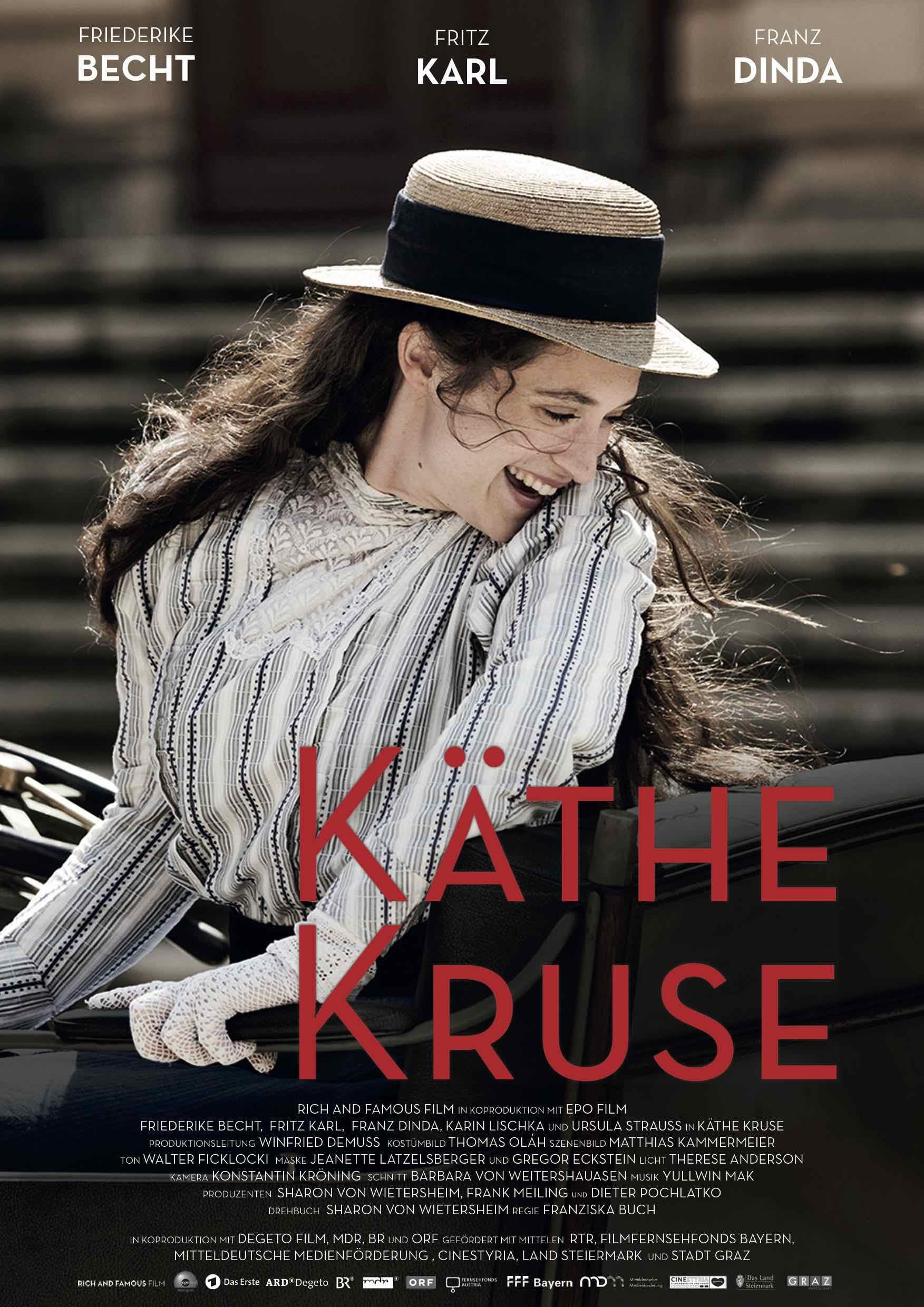
Käthe Kruse
The young actress Käthe is not 18 when she conquered Berlin's theater stages. Privately she finds her luck alongside the famous artist Max Kruse, but the wild marriage is considered scandalous and has a negative effect on the sale of his art. Thus, Käthe moves without him into an artists' colony on Monte Verità on Lake Maggiore. Out of necessity, she creates a doll that has never been seen before: with a natural expression and vivid facial expressions. What follows is a blitz career. But the phenomenal success of their handmade dolls causes unpleasant imitations - their company is about to go out.
Insights
Plot Summary
The film chronicles the life of Käthe Kruse, a pioneering German doll maker, from her early years and artistic aspirations to her rise as a successful entrepreneur. It delves into the challenges she faced as a woman in business at the turn of the 20th century, her complex relationships, and her determination to create dolls that represented real children. The narrative explores her enduring legacy in the toy industry and her contributions to art and design.
Critical Reception
Käthe Kruse received generally positive reviews, with critics praising its sensitive portrayal of the historical figure and its engaging narrative. The film was noted for its strong performances, particularly Gesine Cukrowski as Kruse, and its thoughtful exploration of themes like female independence, artistic integrity, and the challenges of balancing personal life with professional ambition. Audience reception was also favorable, appreciating the historical insights and the inspiring story.
What Reviewers Say
Praised for its compelling biographical narrative and sensitive direction.
Gesine Cukrowski's performance as Käthe Kruse was highlighted as a standout.
Appreciated for its depiction of a pioneering woman in a male-dominated field.
Google audience: Information regarding specific Google user reviews and their summary is not readily available.
Fun Fact
Käthe Kruse's dolls were revolutionary for their time, being soft-bodied and designed to be more lifelike and less fragile than traditional porcelain dolls, which greatly appealed to parents and children alike.
AI-generated overview · Verify ratings on official sources