
kwoonhei
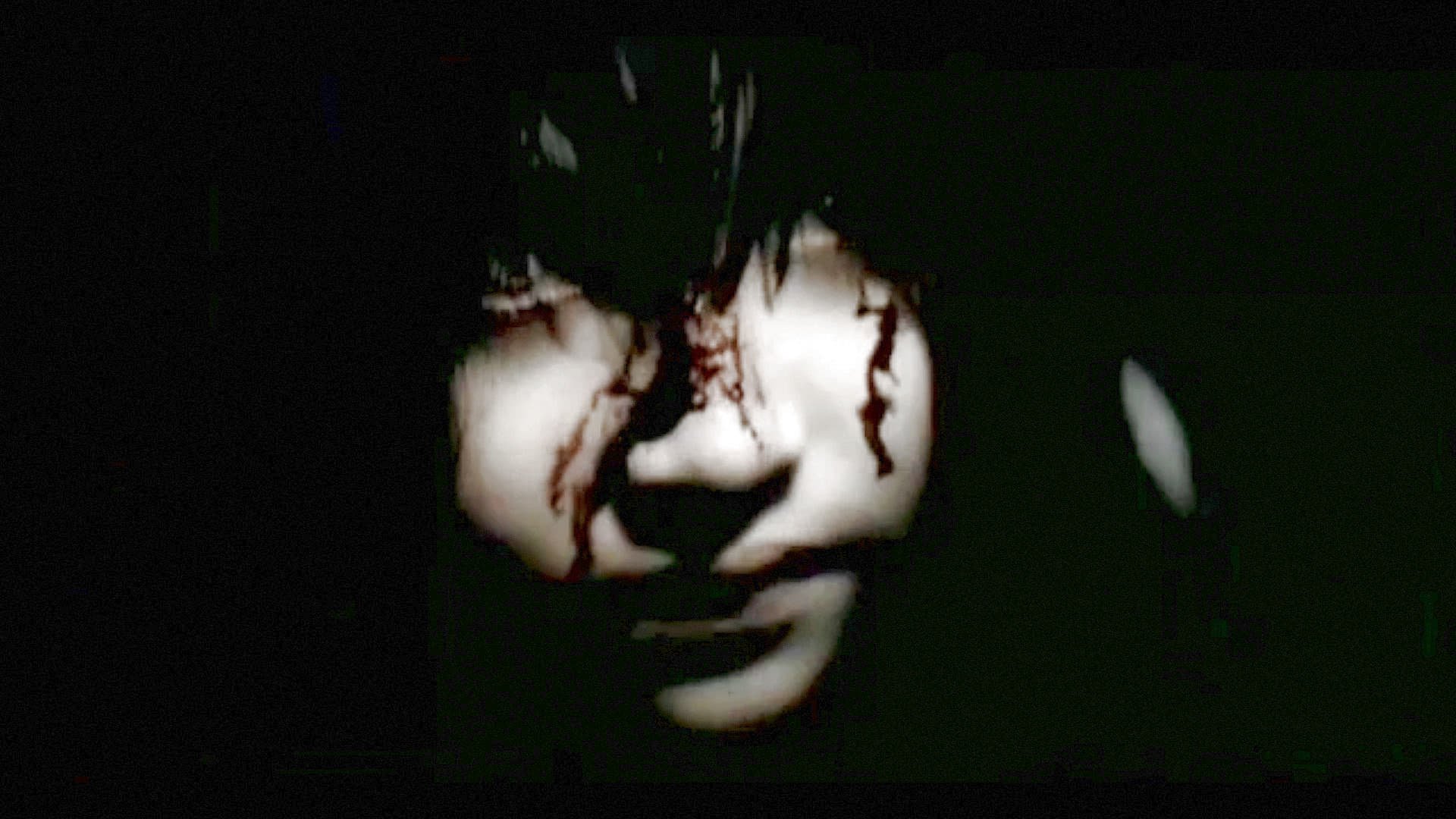
The perfect movie to watch alone at midnight. I gave 9 because sometimes the ghost looks too pretty to scare me but that's my taste. It have a rustic mood but at the same time have some great visuals and photography.

Movie spotlight
A salt storehouse near the sea may be haunted. A penniless ex-con dies a gristly death in a house he can ill afford. The detectives assigned the case are Min, newly reinstated after a suspension, and Lee, a new transfer from forensics. Min has nightmares: a sexual assault that haunts her. She and Lee work well together, but soon two more deaths occur - each mysteriously poisoned, both friends of the ex-con. A fourth friend, a newly married doctor, is a suspect. But what has all this to do with the salt storehouse, a death ten years ago, and a missing girl? Can Min and Lee get to the bottom of it, or is the supernatural beyond a cop's reach?
A detective investigates a series of mysterious deaths linked to a string of unsolved cases from 17 years prior. As the investigation deepens, she discovers a connection to her own past and a chilling ghost seeking revenge. The supernatural occurrences escalate, blurring the lines between reality and the afterlife, leading to a tragic and suspenseful climax.
Arang received mixed to negative reviews from critics and audiences. While some praised its atmospheric tension and the performance of its lead, many found the plot convoluted and predictable, with the horror elements failing to deliver genuine scares. The film struggled to establish a unique identity within the crowded horror genre.
Praised for its eerie atmosphere and suspenseful buildup.
Criticized for a confusing and underdeveloped plot.
The horror elements were often seen as unoriginal and lacking impact.
Google audience: Audience reception was largely lukewarm, with many viewers finding the film to be a forgettable entry in the Korean horror scene. Common complaints included a lack of originality and unsatisfying scares, though some appreciated the visual style.
The film's title, 'Arang', refers to a legendary ghost from Korean folklore, known for her tragic death and haunting.
AI-generated overview · Verify ratings on official sources
The perfect movie to watch alone at midnight. I gave 9 because sometimes the ghost looks too pretty to scare me but that's my taste. It have a rustic mood but at the same time have some great visuals and photography.