
Movie spotlight
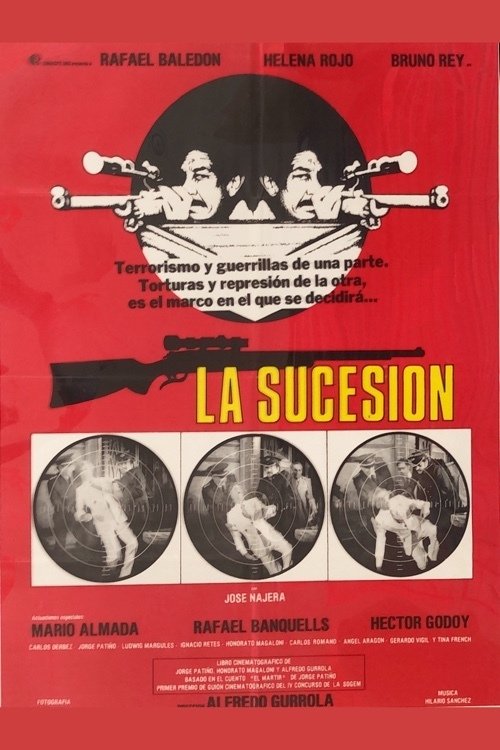
La Sucesión
Political intrigue drama which aired dimly, some of the most common vices Latin American government systems, at least hypothetically and not still be scenarios. Its characters have the dictator whose intentions are to inherit the power to his son, little interest in the issue. In a moment in which he is forced to decide who will succeed him, other characters see the opportunity to replace him in the supreme command of this country without a name.
Insights
Plot Summary
In a decaying Mexican hacienda, the matriarch of a wealthy family is on her deathbed. Her children gather, not out of love, but to vie for control of the family's dwindling fortune and influence. Tensions simmer as past resentments and greed surface, revealing the deep-seated dysfunctions within the family. The impending succession becomes a battleground for their ambitions and the preservation of their legacy.
Critical Reception
La Sucesión was recognized for its dark and atmospheric portrayal of familial decay and the corrosive effects of greed. Critics lauded Arturo Ripstein's direction for its unsettling tone and the strong performances from its lead actresses, particularly Lucha Villa. While not a mainstream commercial success, it is considered a significant work in Mexican cinema, appreciated for its unflinching look at the underbelly of societal structures and human nature.
What Reviewers Say
Praised for its intense psychological drama and exploration of familial avarice.
Arturo Ripstein's masterful direction creates a palpable atmosphere of dread and decay.
The performances, especially Lucha Villa's, are compelling and memorable.
Google audience: Information on Google user reviews for this film is not readily available.
Fun Fact
The film is noted for its stark, almost claustrophobic cinematography, which enhances the oppressive atmosphere of the decaying family estate.
AI-generated overview · Verify ratings on official sources