
Movie spotlight
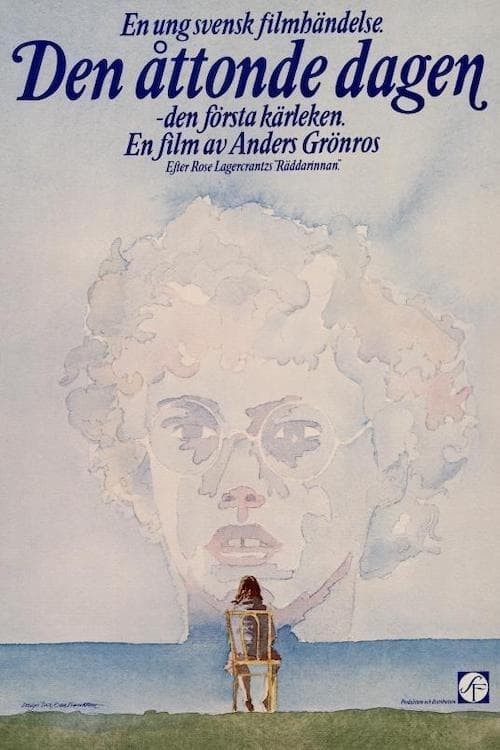
The Eighth Day
Children as real human individuals with the difficulties this involves. Anna and Peiter are 11 years old. Peiter's parents are divorced. Only for one week a year does he live with his father, on the same island as Anna. The children have been friends for years. But this year (because of beginning puberty?) they have difficulty in getting in real touch. Day after day they fail. - Outside a café Peiter boasts that he can do everything. Anna tells him to fetch the thing she is thinking of. He goes inside, asks a guest to rise and brings his chair to Anna. This was indeed the right thing, and this chair will re-appear in other scenes. Another day Peiter boasts that he is not afraid of being locked up in a desolate tower for a few hours. Anna closes the lock on the outside. But her parents prevent her from going out again and Peiter remained alone in the tower for the entire night. -Finally all seven days have gone and the gap that prevented full contact is still not closed.
Insights
Plot Summary
A young woman, struggling to escape her past and find her identity, moves to a new town. She becomes entangled with a group of people who are trying to come to terms with their own difficult lives and shared trauma. As secrets unravel, she is forced to confront uncomfortable truths about herself and the people around her.
Critical Reception
The Eighth Day received mixed to positive reviews, with many critics praising its performances, particularly from Hanna Schygulla, and its sensitive portrayal of complex human relationships. However, some found the pacing to be slow and the narrative occasionally melodramatic.
What Reviewers Say
Praised for strong performances, especially Hanna Schygulla.
Appreciated for its thoughtful exploration of difficult relationships.
Some criticized the film for its deliberate pacing and melodramatic elements.
Google audience: Information on specific Google user reviews for 'The Eighth Day (1979)' is not readily available.
Fun Fact
Although directed by Jo Baier, the film is often mistaken for the more famous 1996 Belgian film of the same name which won the Grand Prix at the Cannes Film Festival.
AI-generated overview · Verify ratings on official sources