Insights
Plot Summary
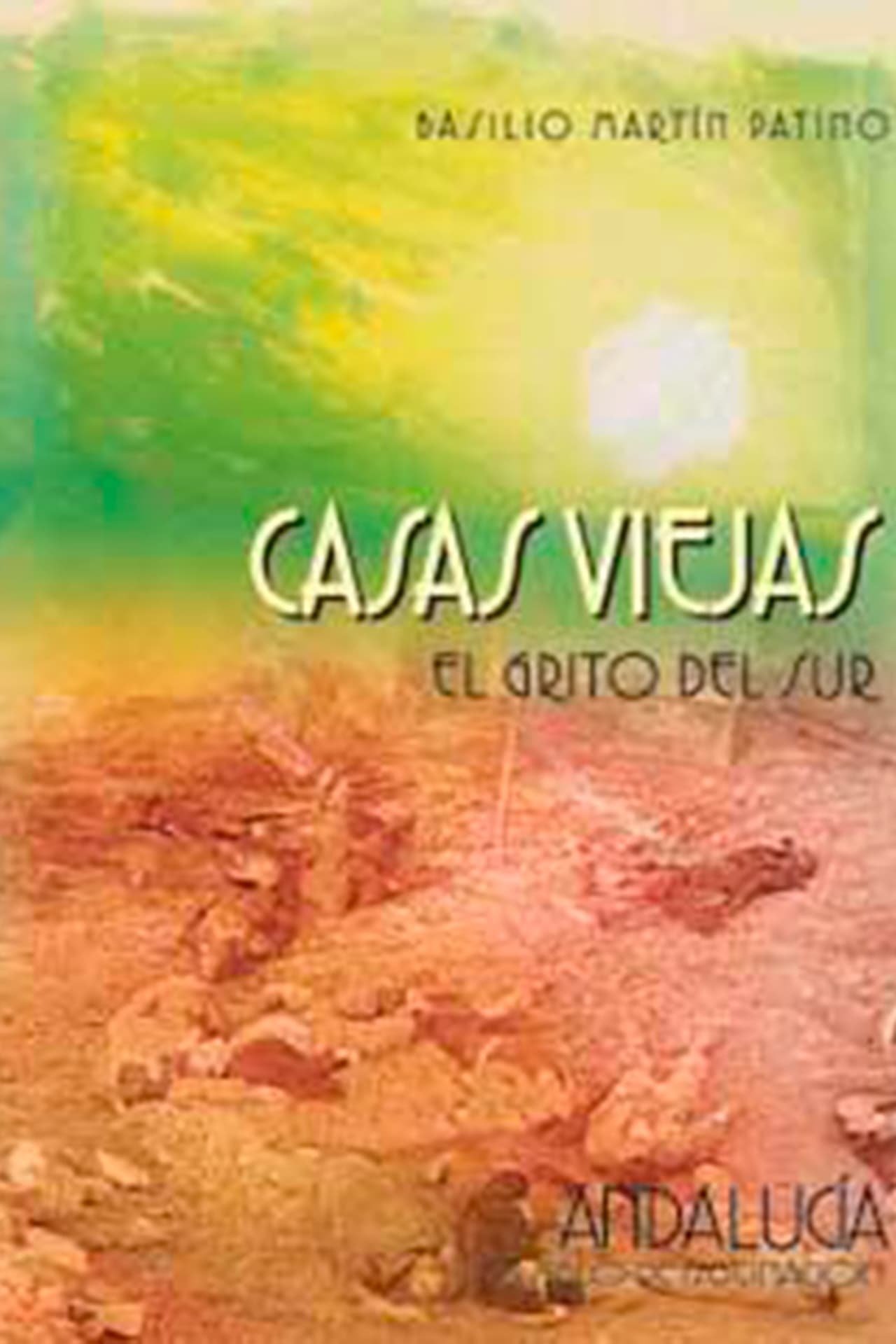
This documentary explores the historical events of January 5, 1932, in Casas Viejas, Spain, where a peasant uprising against the Second Spanish Republic led to a violent repression. It delves into the socio-economic conditions that fueled the rebellion and the subsequent massacre, examining the political climate and the motivations behind the actions of both the peasants and the authorities. The film also touches upon the long-term impact of this tragic event on Spanish history and memory.
Critical Reception
As a documentary focusing on a specific historical event, 'Casas Viejas: el grito del sur' has been recognized for its detailed examination of a sensitive period in Spanish history. It is often cited for its historical accuracy and its role in bringing attention to the plight of the peasants and the brutality of the repression. While specific critical reviews are not widely disseminated in English-language sources, documentaries of this nature are typically valued for their educational and memorial contributions.
What Reviewers Say
Provides a crucial historical account of the Casas Viejas massacre.
Sheds light on the peasant uprisings and subsequent government repression in early 20th-century Spain.
Offers a somber reflection on social injustice and its violent consequences.
Google audience: Information regarding Google user reviews for this specific documentary is not readily available in public databases.
Fun Fact
The events depicted in the documentary, particularly the massacre at Casas Viejas, became a symbol of the revolutionary fervor and the harsh realities faced by peasants during Spain's turbulent early 20th century, influencing political discourse for decades.
AI-generated overview · Verify ratings on official sources