
Movie spotlight
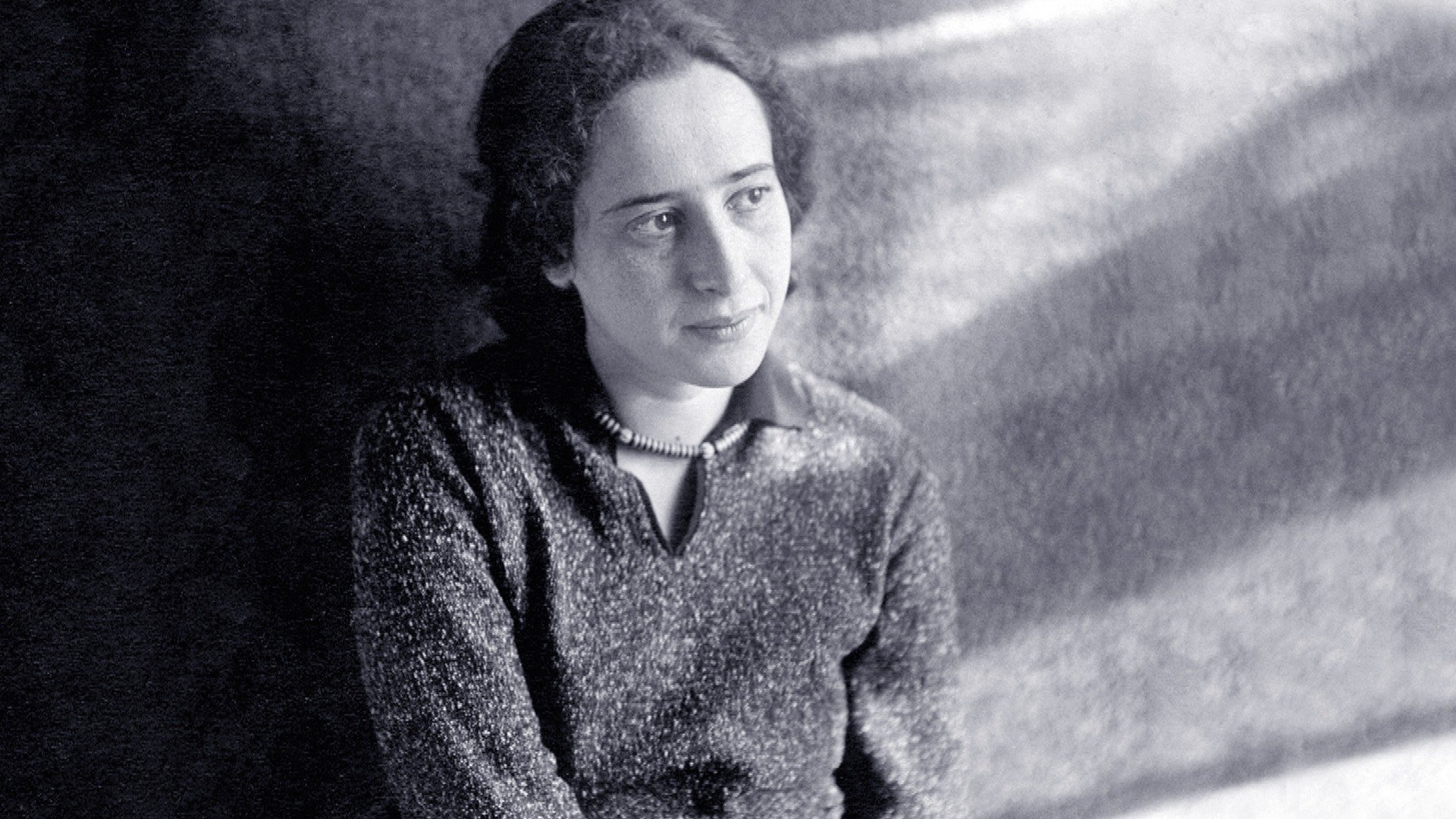
Vita Activa: The Spirit of Hannah Arendt
The life and work of German political philosopher of Jewish descent Hannah Arendt (1906-75), who caused a stir when she coined a subversive concept, the banality of evil, in her 1963 book on the trial of Nazi war criminal Adolph Eichmann (1906-62), held in Israel in 1961, which she covered for the New Yorker magazine.
Insights
Plot Summary
This documentary explores the life and work of the influential 20th-century political theorist Hannah Arendt. It delves into her complex ideas on totalitarianism, evil, and the nature of thought, examining her personal experiences as a Jewish refugee fleeing Nazi Germany. The film highlights her controversial analyses, including her reporting on the trial of Adolf Eichmann, and her enduring legacy in philosophy and political science.
Critical Reception
Vita Activa received largely positive reviews from critics, who praised its intellectual depth and comprehensive exploration of Hannah Arendt's life and thought. The documentary was commended for making complex philosophical ideas accessible and for its insightful portrayal of a pivotal thinker. Audiences appreciated the film's relevance to contemporary issues and its challenge to think critically about society and human behavior.
What Reviewers Say
A deeply intellectual and comprehensive look at a vital 20th-century thinker.
Effectively bridges Arendt's personal life with her profound philosophical contributions.
Offers a thought-provoking examination of key concepts like the banality of evil.
Google audience: Audience reception data is not widely available for this specific documentary on Google Reviews.
Awards & Accolades
Screened at various film festivals including the Jerusalem Film Festival and the Toronto International Film Festival.
Fun Fact
The film's title, 'Vita Activa,' refers to Hannah Arendt's concept of the active life, which she distinguished from the contemplative life.
AI-generated overview · Verify ratings on official sources