Movie spotlight
The House That Jack Built
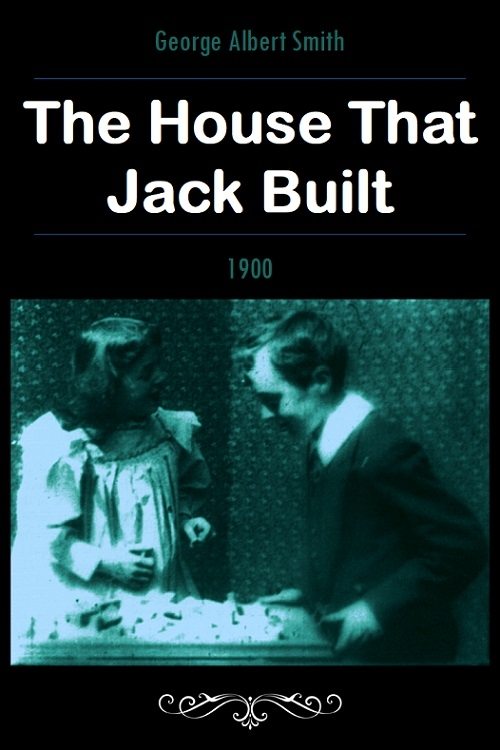
A cleverly conceived picture of a little boy and girl with building blocks. The little girl has erected a pretty structure, which the boy proceeds to demolish with pokes of his fingers. When the demolition of the house is completed, the film is shown in reverse, and the little building comes back to its original form in a most marvellous manner.
Insights
Plot Summary
Over a span of 12 years in the 1970s and 80s, we follow the highly intelligent and meticulously organized Jack as he commits a series of gruesome murders. Jack views each murder as a work of art, meticulously documenting his process and interacting with his victims in disturbing ways. The film chronicles his descent into madness and his pursuit of what he considers his masterpiece, all while evading the police and confronting his own inner demons.
Critical Reception
Lars von Trier's "The House That Jack Built" was met with significant controversy and polarized critical reception. While some praised its audacious artistic vision and Matt Dillon's committed performance, many critics were repulsed by its graphic violence and nihilistic themes. The film sparked intense debate about the boundaries of filmmaking and the depiction of brutality.
What Reviewers Say
Praised for its provocative themes and artistic ambition.
Criticized for excessive graphic violence and perceived misogyny.
Matt Dillon's performance as the titular serial killer is often highlighted as a standout.
Google audience: Audiences expressed strong, divided opinions, with many finding the film deeply disturbing and gratuitous in its violence, while others appreciated its artistic daring and philosophical explorations. Some viewers found the film to be pretentious and offensive.
Fun Fact
The film features extensive philosophical monologues and intertextual references, including overt nods to Dante Alighieri's "Inferno" and Edgar Allan Poe's "The Tell-Tale Heart."
AI-generated overview · Verify ratings on official sources