
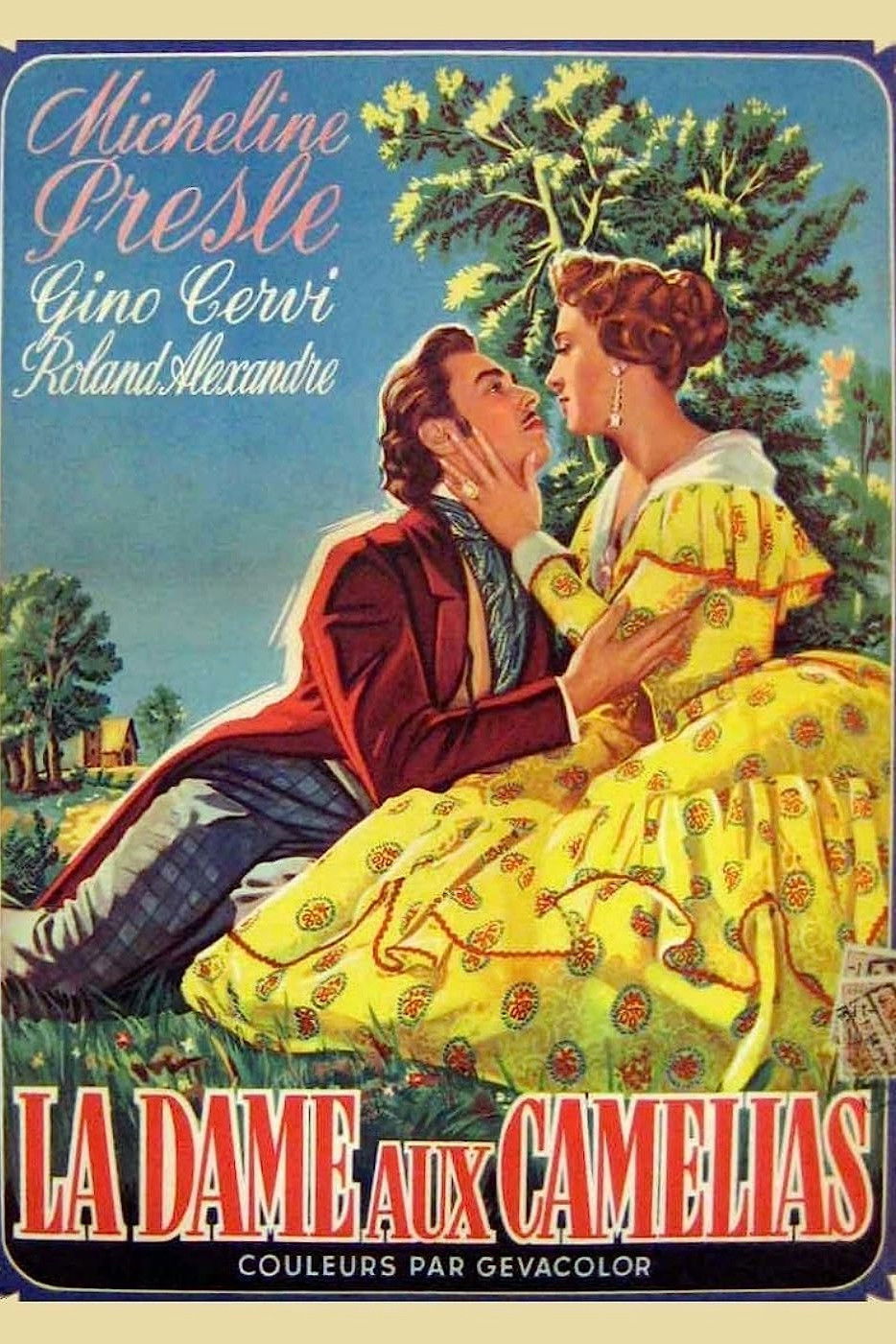
Movie spotlight
La Dame aux camélias
Young and handsome Armand Duval falls in love with Marguerite Gautier, a 'demi-mondaine'. He manages to persuade her to give up her life as a courtesan and they both settle down in the country. Tthe beginning of their idyll is like a dream but a short-lived one as their relationship is considered scandalous by Armand's family. During a secret visit to Marguerite, Armand's father convinces her to leave his son, which she does broken-heartedly but out of love for Armand. Her end will be doubly tragic; not only does she suffer from terminal tuberculosis but she is abandoned by everyone, including by Armand, who believes she has betrayed her. At long last, learning the truth, Armand rushes to her bedside and Marguerite has the joy to breathe her last in his arms.
Insights
Plot Summary
Set in Paris during the Belle Époque, the film tells the tragic story of Marguerite Gautier, a glamorous courtesan who falls deeply in love with the young, penniless Armand Duval. Despite societal pressures and her own declining health, Marguerite attempts to live a life of virtue for Armand. However, Armand's father intervenes, forcing Marguerite to make a heartbreaking sacrifice that leads to her ultimate demise.
Critical Reception
The 1953 film adaptation of 'La Dame aux camélias' received a mixed reception. While its stars were often praised for their performances, particularly the portrayal of Marguerite's tragic arc, the film was sometimes criticized for its pacing and faithfulness to Dumas fils' novel. Audiences generally found the romantic drama compelling, though some felt it lacked the emotional depth of previous interpretations.
What Reviewers Say
Praises for the lead performances, especially in conveying the tragic romance.
Criticism regarding the film's faithfulness to the source material and its dramatic pacing.
The production values and Parisian setting were often noted positively.
Google audience: Information on Google user reviews for this specific 1953 adaptation is not readily available.
Fun Fact
The 1953 film is one of many adaptations of Alexandre Dumas fils' celebrated 1848 novel, which was also famously the inspiration for Giuseppe Verdi's opera 'La Traviata'.
AI-generated overview · Verify ratings on official sources