
Movie spotlight
Die Weber
The film essentially uses the original text of the play. The weavers, who toil away at home, deliver their goods to the manufacturer Dreißiger and receive their meager wages. Led by the young weaver Bäcker and the former soldier Moritz Jäger, they form a resistance group and storm the manufacturer's villa, who barely manages to save himself and his family. As the revolt spreads, the king sends in the military to quell the uprising. The old weaver Hilse, who refuses to participate in the uprising for religious reasons, is hit by a stray bullet while sitting at his loom and dies.
Insights
Plot Summary
This German television film depicts the 1844 Silesian weavers' uprising, a dramatic social protest against exploitation and poverty. It portrays the harsh conditions faced by the textile workers and their desperate struggle for survival and dignity against oppressive factory owners and the state. The narrative follows the escalating conflict, culminating in a violent confrontation and the tragic fate of the weavers.
Critical Reception
As a made-for-television film focusing on a specific historical event, 'Die Weber' received a generally positive reception for its historical accuracy and strong performances, particularly from Klaus Maria Brandauer. It was noted for its realistic portrayal of social unrest and its contribution to German television's historical dramas.
What Reviewers Say
Praised for its historical context and dramatic portrayal of social injustice.
Klaus Maria Brandauer's performance was a significant highlight.
A compelling depiction of a pivotal moment in social history.
Google audience: Information on Google user reviews is not readily available for this historical television film.
Fun Fact
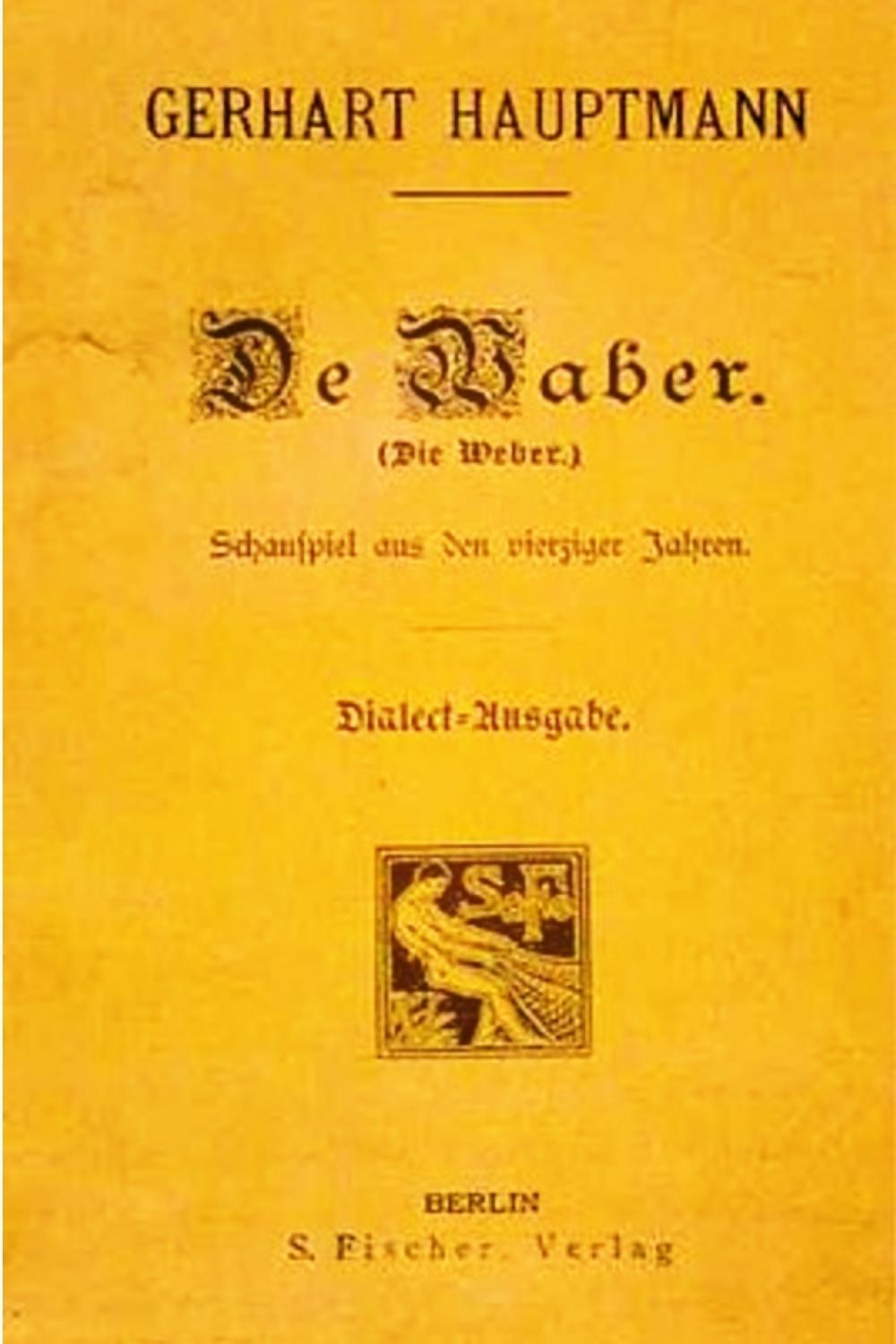
The film is an adaptation of Gerhart Hauptmann's famous play 'Die Weber' (The Weavers), written in 1892, which itself was inspired by the historical events of the Silesian weavers' uprising.
AI-generated overview · Verify ratings on official sources