
Movie spotlight
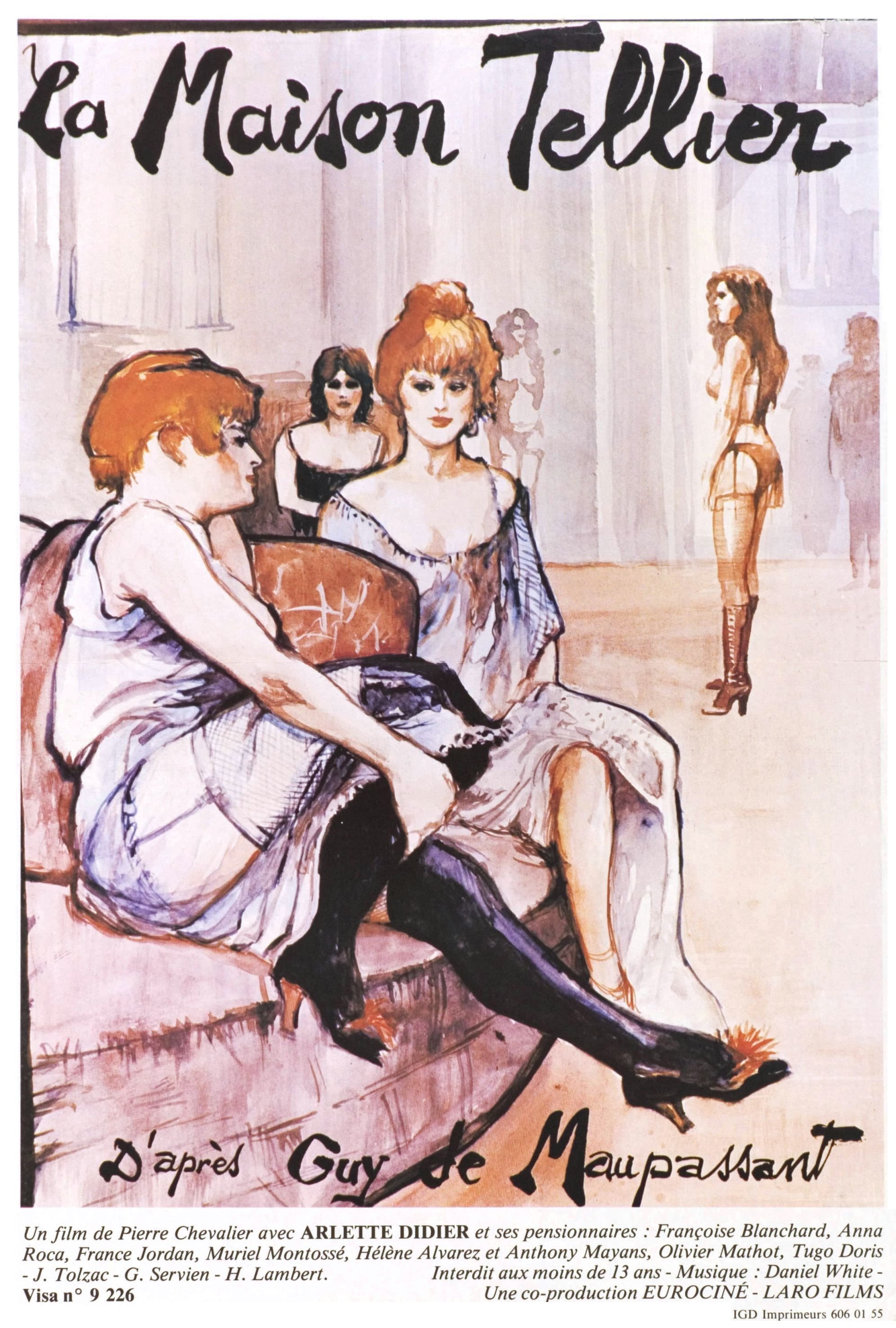
La Maison Tellier
In the late 19th Century, a brothel madam and her workers are invited to take communion on a small family farm
Insights
Plot Summary
Set in a French provincial town in the late 19th century, the film depicts the daily lives and hidden desires of the women working in a brothel. When the madam's son is about to get married, the establishment is forced to close temporarily, leading the women to attend a local village festival. This provides a stark contrast between their usual clandestine existence and the innocent revelry of everyday town life, exposing their individual hopes, dreams, and struggles.
Critical Reception
La Maison Tellier received generally positive reviews for its atmospheric portrayal of provincial life and its nuanced character studies. Critics praised Bertrand Tavernier's sensitive direction and the performances of the ensemble cast, particularly the actresses portraying the women of the brothel. The film was noted for its understated approach to a potentially sensational subject matter, focusing on the human element rather than explicit sensationalism.
What Reviewers Say
Praised for its intimate and humanistic look at the lives of women in a late 19th-century brothel.
Lauded for its atmospheric direction and the compelling performances of its lead actresses.
Appreciated for its subtle exploration of societal constraints and individual desires.
Google audience: Information about specific Google user reviews and their sentiment is not readily available for this film.
Fun Fact
The film is an adaptation of Guy de Maupassant's short story of the same name, which was first published in 1881.
AI-generated overview · Verify ratings on official sources