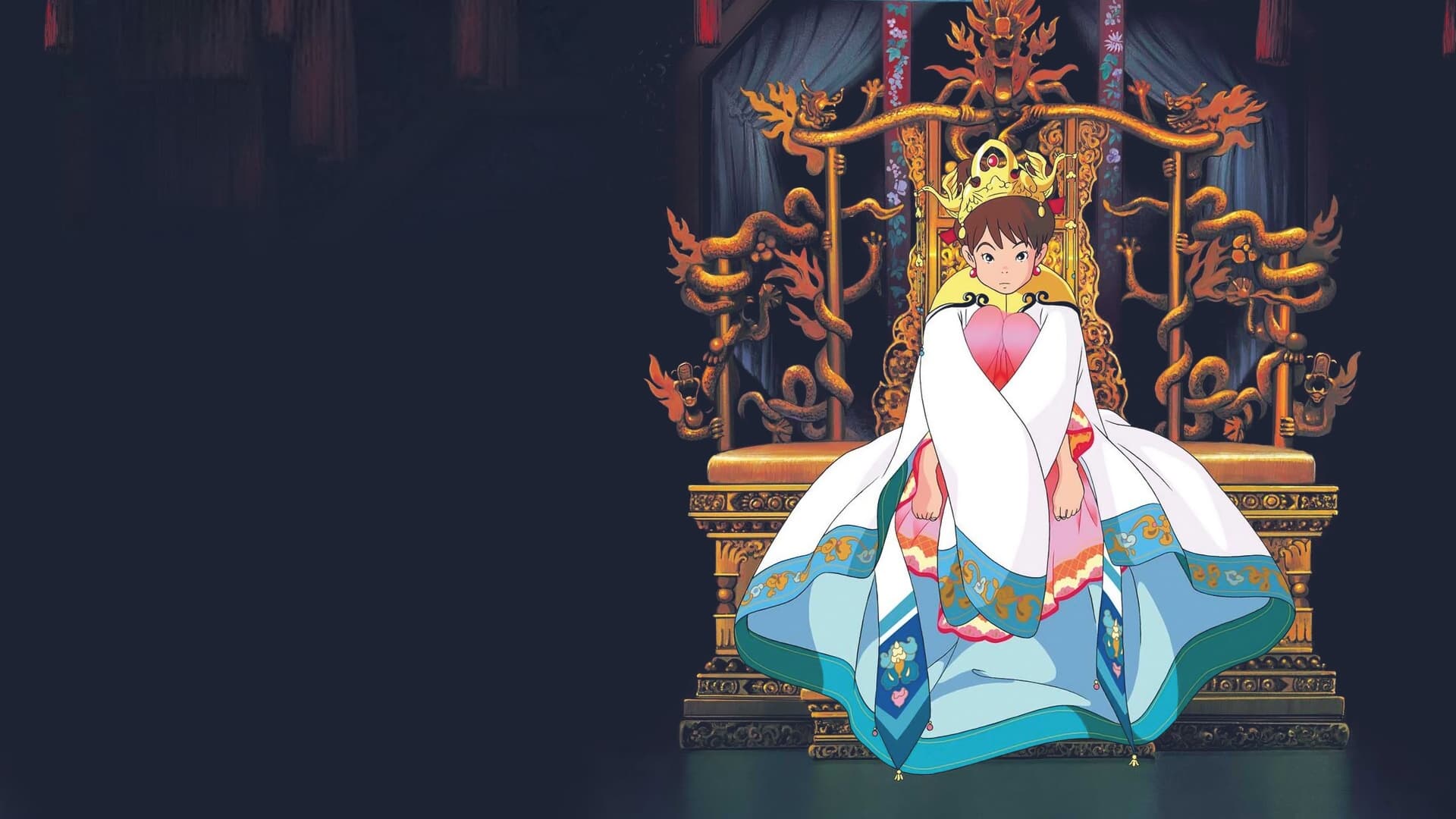

Like the Clouds, Like the Wind
Ginga is a simple—yet energetic—country girl, living with her father far from the capital city of the empire in ancient China. When she learns of an opportunity to become a concubine of the young new Emperor, with the possibility of becoming his head wife in charge of all of the other wives, Ginga convinces her father to let her go. Once there, she meets all of the other potential head wives, each of whom have various reasons for being there. All of them must learn to read and write, learn the history of their country, and learn the proper mannerisms for being in the royal court. Ginga's enthusiasm tends to get her in trouble more often than not, but it works to her advantage when they learn that the former emperor's head wife, who is not the mother of the current emperor, is plotting treachery against the new emperor, and that a rebellion is headed toward the capital.
Insights
Plot Summary
In a mystical land where political intrigue and elemental magic intertwine, a young woman named Amon is thrust into a dangerous game of power. As she navigates treacherous court politics, she finds herself drawn to a mysterious prince, while a powerful sorceress seeks to exploit her unique abilities for her own sinister purposes. Amon must uncover the truth about her lineage and master her latent powers to save her kingdom from an impending darkness.
Critical Reception
Like the Clouds, Like the Wind was met with a mixed to positive reception. While praised for its stunning animation and imaginative world-building, some critics found the plot to be somewhat convoluted and the pacing uneven. Audiences generally appreciated the fantastical elements and the romantic storyline.
What Reviewers Say
- Praised for its beautiful and detailed animation.
- The fantastical elements and magical system were often highlighted as strengths.
- Some found the narrative to be complex and difficult to follow at times.
Google audience: Audience reception on Google is not widely available for this title. However, general fan discussions often point to the visual artistry as a major draw, though some express a desire for a clearer narrative.
Fun Fact
The film is based on a novel by Yōji Akashi, and its visual style is heavily influenced by Japanese ukiyo-e woodblock prints.
AI-generated overview · Verify ratings on official sources