Movie spotlight
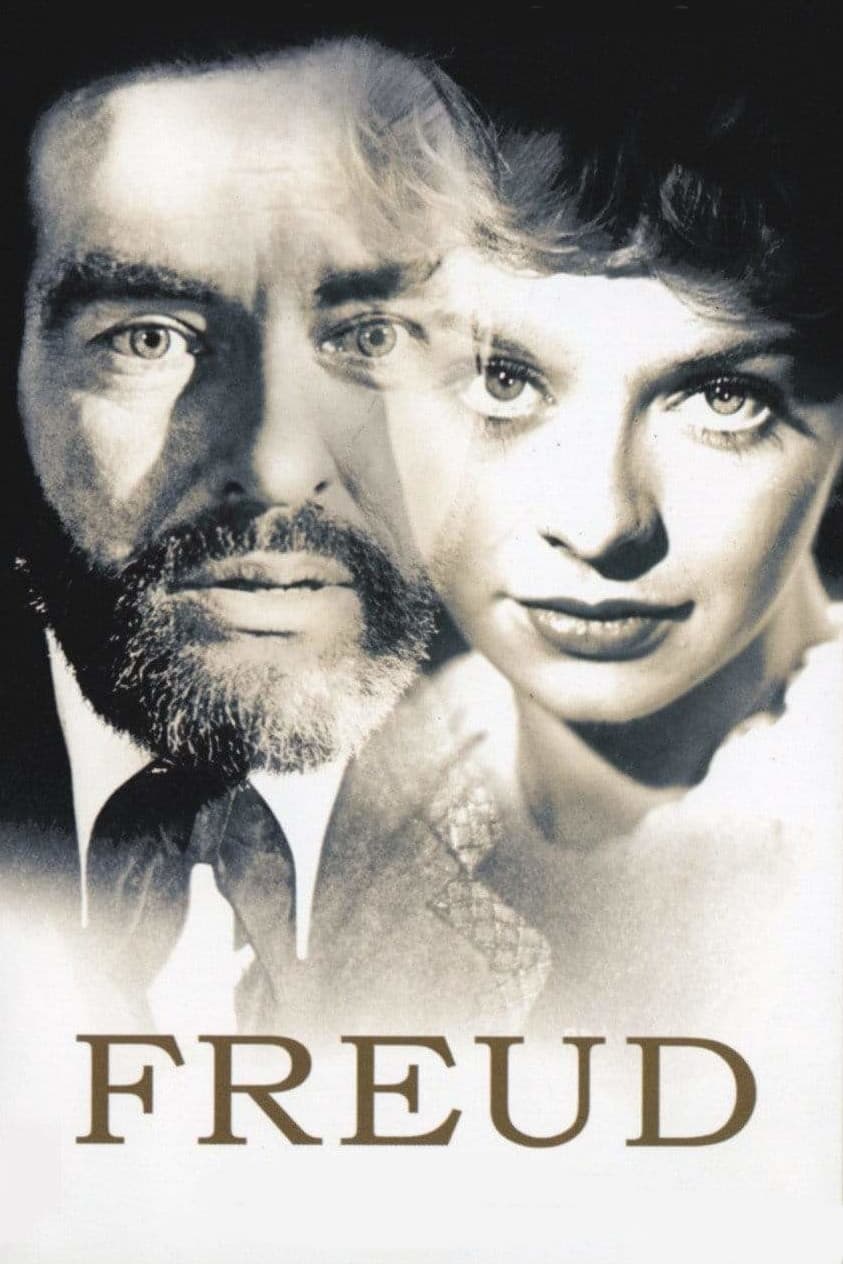
Freud: The Secret Passion
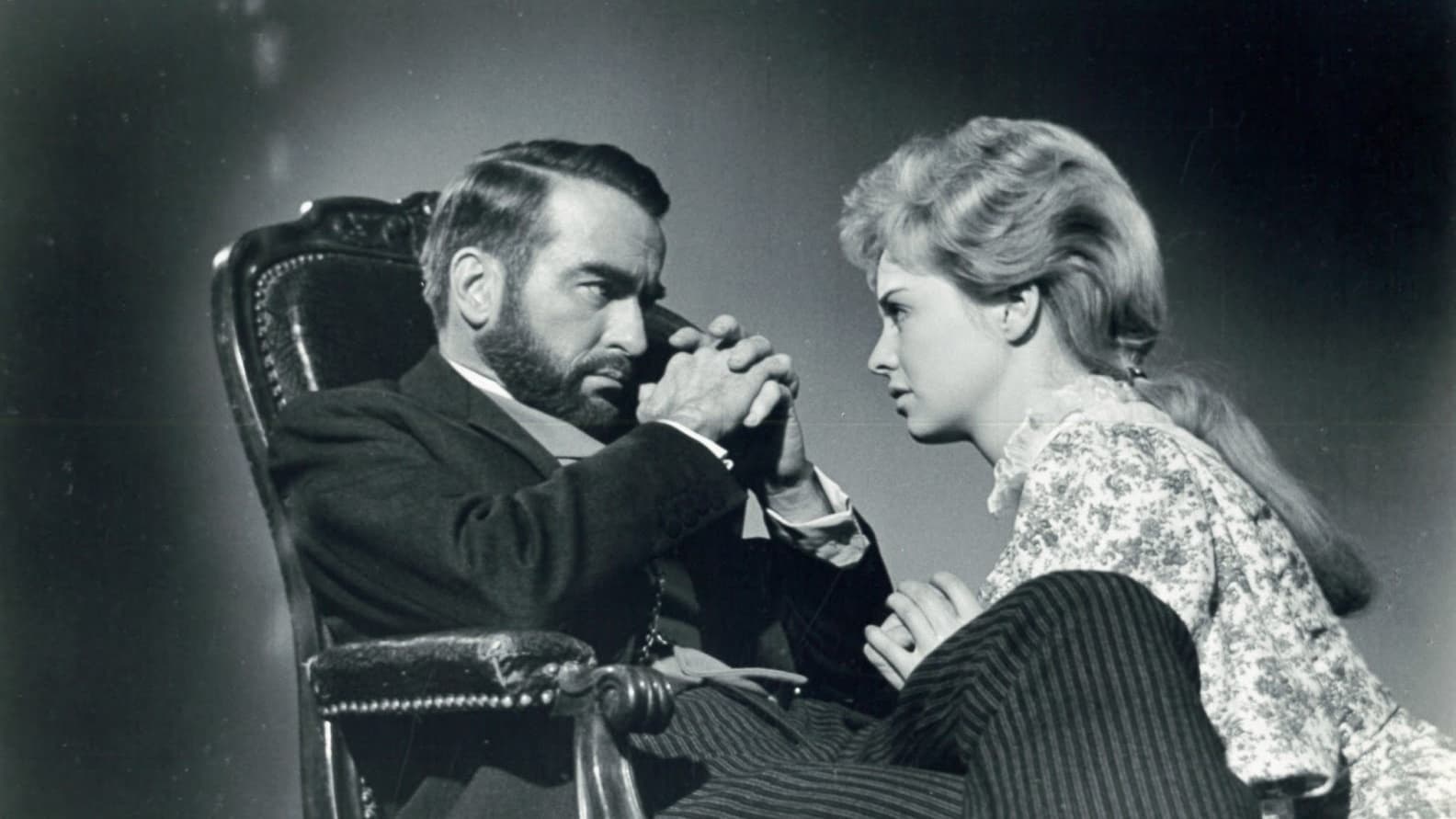
An examination of Austrian psychologist Sigmund Freud's career when he began to treat patients diagnosed with hysteria, using the radical technique of hypnosis.
Insights
Plot Summary
The film chronicles the early career of Sigmund Freud, focusing on his struggles to establish his revolutionary psychoanalytic theories. It delves into his complex relationships, particularly with his wife Martha and his patient "Dora," exploring his groundbreaking work on hysteria and the unconscious mind. The narrative highlights his intellectual battles and personal sacrifices in the pursuit of understanding human psychology.
Critical Reception
John Huston's 'Freud: The Secret Passion' received a mixed to positive reception. While some critics lauded its ambitious attempt to dramatize the life and theories of Sigmund Freud, and praised Montgomery Clift's intense performance, others found the film overly academic, melodramatic, and at times, difficult to follow. The movie's exploration of complex psychological concepts was seen as both a strength and a weakness, appealing to intellectual audiences but alienating some viewers seeking a more conventional biopic.
What Reviewers Say
Praised for Montgomery Clift's committed portrayal of Freud.
Acknowledged for its intellectual ambition in depicting psychoanalytic theory.
Criticized for a sometimes ponderous and melodramatic tone.
Google audience: Audience reviews indicate appreciation for the film's intellectual depth and Montgomery Clift's performance, though some found the subject matter and pacing challenging.
Fun Fact
The film's score was composed by the legendary music innovator John Williams, in one of his earliest credited film scores.
AI-generated overview · Verify ratings on official sources