Movie spotlight
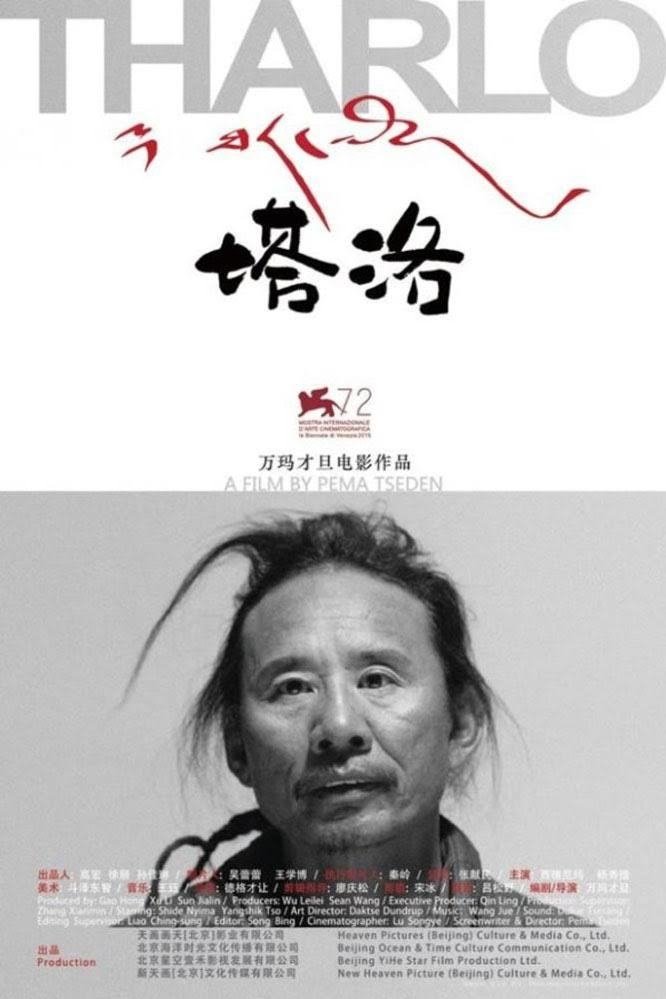
Tharlo
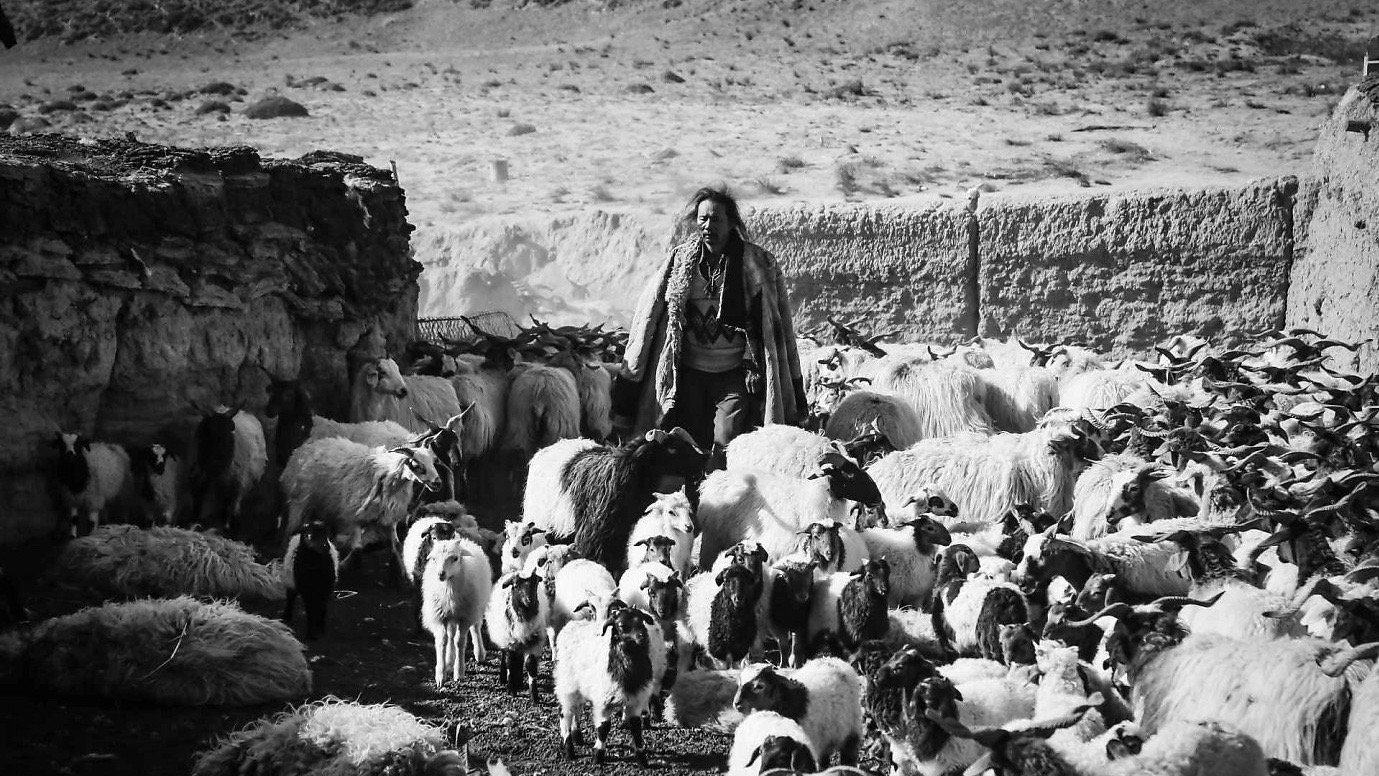
Tharlo is an orphan. Now grown up, he makes a living as a sheep herder in the village. He has grown a ponytail, so people simply call him “Ponytail”, since nobody remembers his real name anyway. Tharlo has a remarkable memory. He remembers so many things, except his own name. He is now in his forties, and he has yet to have his first woman. Now Tharlo goes to town to take a photo for his identity card. He meets a girl in the barber’s shop who changes the course of his life. He embarks on the journey to find his true self. He sells all his sheep and those entrusted by other villagers to him for care, and decides to use the money to go out into the world with the girl, only to find himself being deceived and cheated by her. Ironically, in his journey of self-discovery, Tharlo has lost his sense of self. As he witnesses in the mirror his ponytail being cut off and leaving him bald, he can no longer see himself as a man with a history that he recognizes.
Insights
Plot Summary
Tharlo, a humble yak herder with an exceptional memory, arrives in the city for a job. His life takes an unexpected turn when he encounters a alluring woman who gradually manipulates him, leading him to question his identity and his unwavering adherence to the law. The film chronicles his descent into a morally ambiguous world as he grapples with newfound desires and the complexities of urban life.
Critical Reception
Tharlo was widely acclaimed by critics for its artistic merit, unique storytelling, and Pema Tseden's distinct directorial vision. It resonated with audiences for its blend of neorealism and allegory, exploring themes of identity, tradition, and modernity in Tibetan society. The film's black and white cinematography and minimalist style were frequently praised.
What Reviewers Say
Praised for its striking black and white cinematography and minimalist aesthetic.
Lauded for its subtle exploration of identity and the clash between tradition and modernity.
Appreciated for Pema Tseden's distinctive directorial style and nuanced character development.
Google audience: Google users largely praised the film's artistic direction and thought-provoking narrative. Many found the portrayal of Tibetan life and the protagonist's internal struggles compelling, though some noted the slow pacing.
Awards & Accolades
Won the Golden Conch award for Best Film at the Mumbai Film Festival (MAMI) and screened at the Toronto International Film Festival.
Fun Fact
The film was shot entirely in black and white, a stylistic choice made by director Pema Tseden to evoke a timeless quality and enhance the allegorical nature of the story.
AI-generated overview · Verify ratings on official sources