IMDb7.3/10
Rotten Tomatoes75%
Director: Richard Fleischer•Genres: Crime, Drama, Thriller
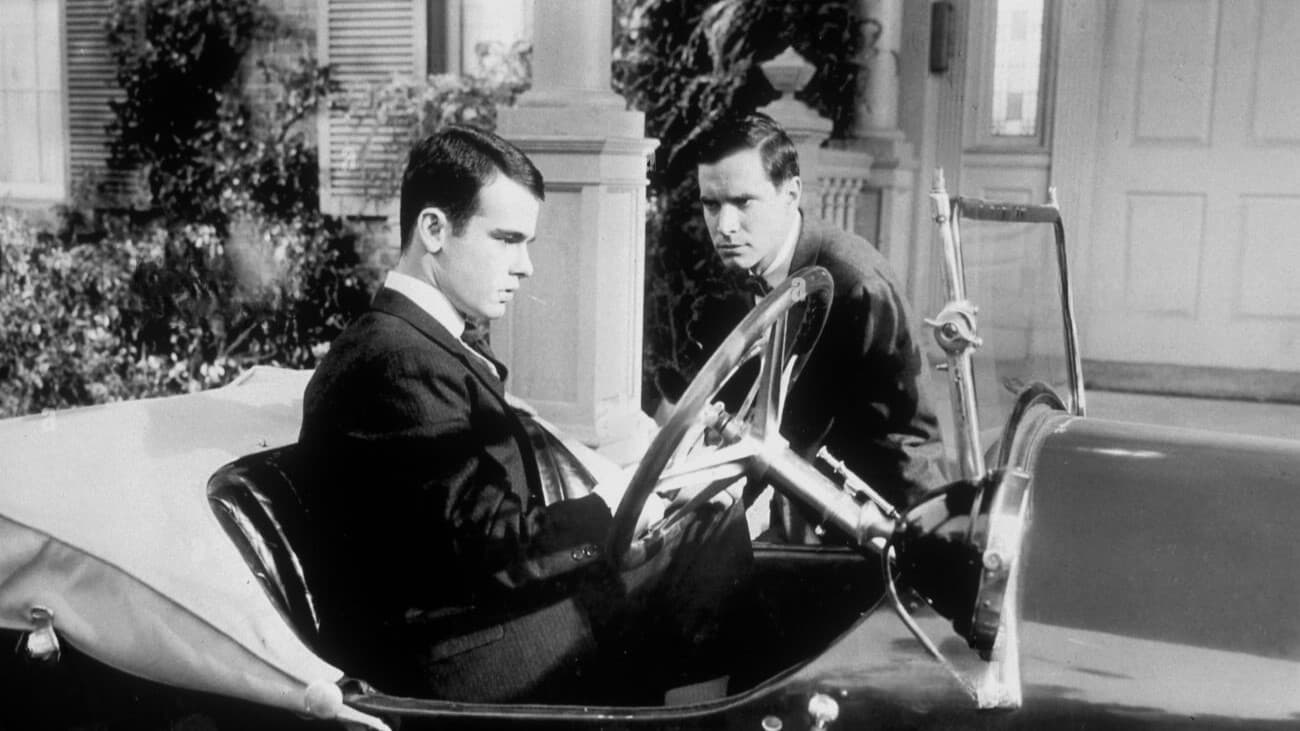
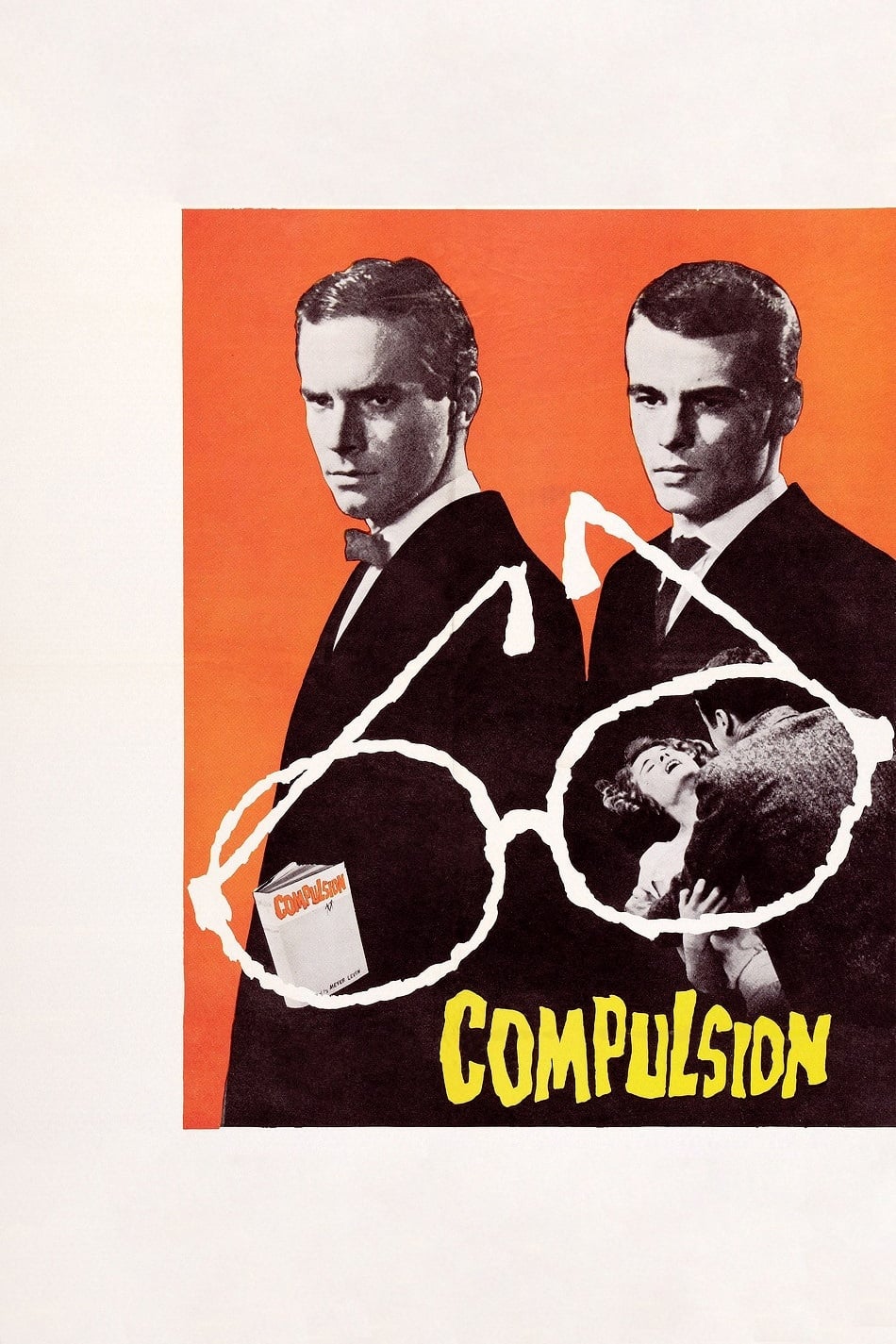
Based on the Leopold and Loeb murder case, this film follows the trial of two wealthy, intellectual young men who commit a "perfect murder" simply for the thrill of it. As the trial progresses, it becomes a media circus, highlighting themes of homosexuality, sadism, and the societal pressures on young adults. The film culminates in a dramatic closing argument by the defense attorney, who tries to save the young men from the death penalty.
Compulsion was met with critical acclaim, particularly for its performances and its daring exploration of complex psychological and societal themes for its time. It was praised for its intense courtroom drama and its sophisticated portrayal of the characters' motivations.
The film is lauded for its powerful performances, especially by Orson Welles, Dean Stockwell, and Bradford Dillman.
Its dramatic courtroom sequences and exploration of psychological motivations are frequently cited as highlights.
Considered a significant and provocative film for its era, addressing dark and controversial subjects.
Google audience: While specific Google User ratings are not readily available for this older film, critical consensus suggests audiences and reviewers of the time were struck by its intensity and controversial subject matter, generally receiving it positively.
Best Actor Award at the Cannes Film Festival for the ensemble cast (Orson Welles, Bradford Dillman, Dean Stockwell).
The film is a fictionalized account of the infamous 1924 Leopold and Loeb murder case, which captivated and horrified the American public.
AI-generated overview · Verify ratings on official sources